
Companion Plants
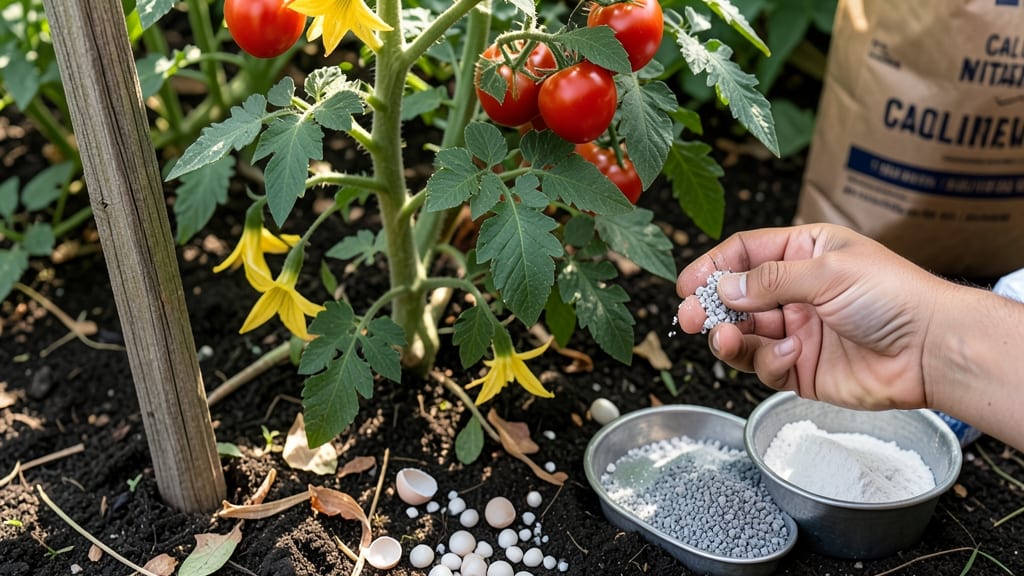
For tomato plants, natural calcium sources like crushed eggshells, bone meal, gypsum, and wood ash help prevent blossom-end rot and build stronger cell walls. Always apply these amendments slowly to avoid overloading the soil.
Calcium deficiency in tomato plants often shows up as blossom-end rot—those telltale brown, sunken spots on the fruit's bottom.
This happens when the plant can't absorb enough calcium, usually due to inconsistent watering or overly acidic soil. 🌱 The good news is that organic amendments like eggshells and gypsum release calcium gradually, giving roots time to absorb what they need without shocking the plant.
I've found that mixing a handful of finely crushed eggshells into planting holes works wonders, especially in container gardens where soil nutrients deplete faster.
What's interesting is how these sources work differently. Gypsum, for example, dissolves quickly but won't alter soil pH, making it ideal for sensitive plants. Meanwhile, wood ash raises pH slightly while adding calcium, which can be helpful in acidic soils but requires testing first.
The key is balancing these amendments with your soil's existing conditions—too much can actually lock out other essential nutrients like magnesium.
💡 In This Article
- How Calcium Deficiency Affects Tomato Growth
- Best Organic Calcium Amendments for Tomato Gardens
Best organic calcium amendments for tomato gardens
Calcium isn't just a mineral—it's the structural backbone of tomato plant cells. When calcium levels drop, cell walls weaken, leading to that dreaded blossom-end rot. Organic amendments like crushed eggshells provide calcium in a slow-release form that mimics natural soil processes.
The shells break down into calcium carbonate, which dissolves gradually, giving roots time to absorb what they need without overwhelming the plant. For best results, bake and grind eggshells into a fine powder—this increases surface area for faster dissolution in soil.
Gypsum stands out as a powerhouse for calcium delivery because it contains both calcium and sulfur, which work together to improve soil structure. Unlike lime, gypsum won't raise soil pH, making it ideal for gardens where acidity is already a concern.
A common application rate is 20-30 pounds per 100 square feet, worked into the top 6 inches of soil before planting.
Wood ash, another excellent source, adds calcium while raising pH slightly—perfect for acidic soils—but should be used sparingly (1-2 cups per plant) to avoid creating alkaline conditions that lock out other nutrients.
Timing matters with these amendments. Pre-planting applications like gypsum or bone meal give roots a head start, while foliar sprays (using calcium nitrate) can provide quick fixes during fruiting.
I've noticed that container-grown tomatoes benefit most from regular side-dressings of crushed eggshells every 4-6 weeks, as their limited soil volume depletes nutrients faster. The key is consistency—calcium deficiencies often appear when plants are stressed, so maintaining steady levels prevents those unsightly fruit blemishes.
Don't overlook the pH factor. Calcium uptake thrives in slightly acidic to neutral soils (pH 6.0-7.0). If your soil tests below 6.0, wood ash or lime can help, but monitor plants closely for signs of nutrient imbalance.
Too much calcium can actually interfere with magnesium absorption, causing yellowing between leaf veins—a condition called magnesium deficiency. That's why soil testing before applying amendments is always the best first step.
For a quick DIY boost, mix 1 tablespoon of crushed eggshells with 1 tablespoon of compost and sprinkle around the base of mature plants. Water lightly to help dissolution. This method works particularly well for heirloom varieties that are prone to blossom-end rot.
The eggshells dissolve slowly over 2-4 weeks, providing a steady calcium supply without risking over-fertilization.
Remember that organic amendments work best when combined with proper watering practices. Calcium moves through the plant via water, so maintaining even moisture—especially during fruiting—helps prevent deficiency symptoms. A simple mulch layer can also slow moisture evaporation, giving roots better access to the calcium you've provided. 🌿
When choosing between sources, consider your garden's specific needs. Acidic soils? Wood ash or gypsum. Need a quick fix? Foliar sprays. Want long-term prevention? Eggshells or bone meal. Each option plays a role in keeping your tomatoes healthy and productive throughout the growing season.