
How To
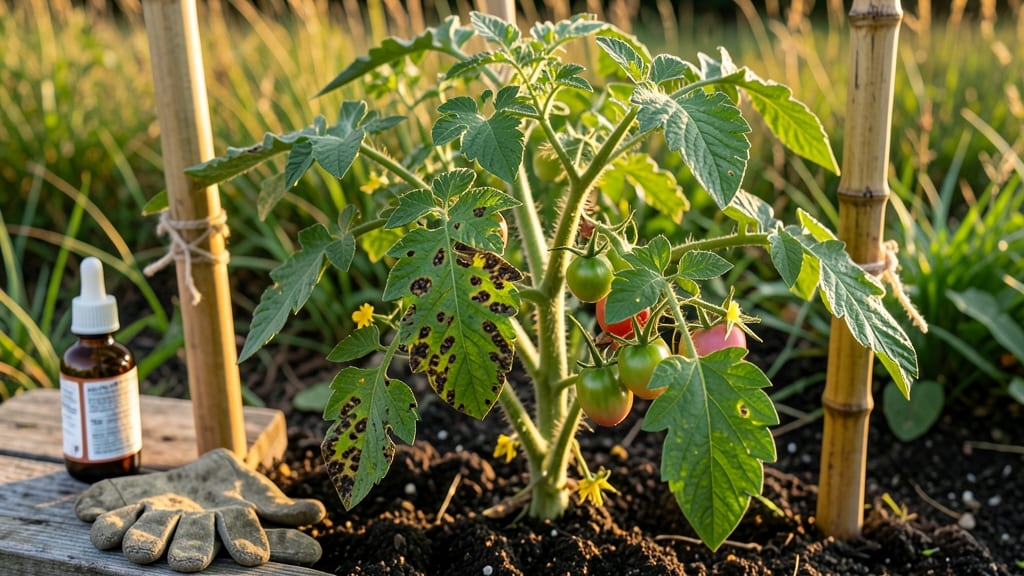
Spotty tomato leaves mean your plants are fighting a fungal battle—and copper spray is the game-changer you need. 🌱 I’ve saved dozens of tomato plants from early blight and septoria leaf spot using this simple, fast-acting method that stops the spread in its tracks.
The key? Spraying at the first sign of those telltale brown spots, before they turn your leaves into Swiss cheese.
Most gardeners panic when they see spots, but the fix is straightforward: copper fungicide (organic or chemical) applied every 7–10 days during wet seasons. Prune infected leaves immediately to prevent spores from spreading, and space your plants properly—crowding invites disease.
Within 2–3 weeks, you’ll see new growth pushing through, and your tomatoes will bounce back like nothing happened.
This isn’t just about saving your plants—it’s about fast harvests. With the right treatment, your tomatoes stay productive, and you avoid the heartbreak of watching your crop wither. The secret? Act early, stay consistent, and don’t let those spots win. Your future salads (and salsa) will thank you.
Works for both backyard gardens and container plants—just adjust the spray volume. Here’s how to do it right the first time, so you never lose another tomato season to spots again.
Root Causes Of Leaf Spots
When your tomato plants start showing up with unsightly spots on their leaves, it’s often a sign that something’s off in their environment or health. Understanding the why behind these blemishes is the first step to fixing them—before they spread or worsen.
Below, we break down the most common culprits, backed by science, so you can diagnose the issue like a pro. 🌱🔍
Fungal diseases are the #1 reason for spotty tomato leaves, especially in warm, humid conditions. These microscopic organisms thrive in damp environments and can quickly multiply, turning leaves into a sad, speckled mess. Here’s how they strike:
- Early Blight (Alternaria solani): Starts as small, dark brown spots with concentric rings (like a bullseye) on lower leaves. Over time, the spots turn yellow and may drop off. Why it happens: The fungus survives in soil and plant debris, splashing onto leaves during watering or rain. Ideal conditions? Warm days (75–85°F) and cool, wet nights.
- Late Blight (Phytophthora infestans): Causes greasy, dark spots that spread rapidly—often within days. Unlike early blight, late blight affects both leaves and fruit. Why it happens: This fungus loves temperatures between 60–75°F and high humidity. It can even spread via wind or contaminated tools.
- Septoria Leaf Spot (Septoria lycopersici): Tiny, circular spots with gray centers and dark borders. Leaves may develop holes as spots merge. Why it happens: The fungus overwinters in plant debris and splashes onto leaves during irrigation or rainfall.
💡 Pro Tip: Fungal spores love to hitchhike! Always sterilize pruners with rubbing alcohol (70% or higher) between cuts to prevent spreading infections.
Unlike fungi, bacterial infections move at lightning speed and can ruin a crop in weeks. They often start as water-soaked spots that turn yellow or brown, sometimes with a slimy texture. Here’s what’s likely at play:
- Bacterial Spot (Xanthomonas perforans or Pseudomonas syringae): Tiny, water-soaked spots with yellow halos. Leaves may develop holes as spots enlarge. Why it happens: Bacteria thrive in warm, wet conditions (75–90°F) and spread via wind, water, or contaminated tools. They also love to hide in cracks or wounds on leaves.
- Bacterial Speck (Pseudomonas syringae pv. tomato): Small, greasy spots (1–3mm) that can merge into larger lesions. Why it happens: This bacterium is often seed-borne or spreads through splashing water. It’s especially aggressive in high-humidity greenhouses or crowded plant beds.
🔥 Warning: Bacteria can survive in soil for years. If your plants are repeatedly infected, consider rotating crops or using raised beds with fresh soil.
Not all leaf spots are caused by pathogens—sometimes, your tomatoes are just begging for better conditions. Here’s how the environment turns leaves into a spotted disaster:
| Cause | How It Shows Up | Why It Happens |
|---|---|---|
| Overwatering or Poor Drainage | Yellowing leaves with brown, waterlogged spots; possible root rot. | Excess moisture suffocates roots, leading to oxygen deprivation. Fungi like Phytophthora thrive in soggy soil. |
| Underwatering | Dry, crispy edges with brown spots; wilting. | Plants conserve water by shedding leaves or developing stress spots. Cells dry out and die, creating necrotic (dead) patches. |
| Extreme Heat or Sunburn | White or bleached spots (especially on upper leaves); scorch marks. | Direct sunlight + high temps (above 90°F) can cook leaf cells. Young or hairy leaves are most vulnerable. |
| Chemical Burn (Fertilizer or Pesticide) | Irregular brown spots with yellow halos; leaf curling. | Over-application of salts (from fertilizer) or harsh pesticides disrupts cell membranes, causing tissue death. |
| Mineral Deficiencies |
|
Poor soil health or imbalanced nutrients prevent proper cell function, leading to spotty, weak leaves. |
🌡️ Quick Fix: If environmental stress is the culprit, adjust watering (aim for 1–1.5 inches per week) and provide shade cloth (30–50%) during heatwaves. Mulch with straw to regulate soil temperature and moisture.
Some leaf spots aren’t from diseases or stress—they’re gifts from uninvited guests. Pests like to munch on tomato leaves, leaving behind a trail of destruction:
- Spider Mites: Tiny yellow or brown spots (actually stippling) from feeding. Leaves may weave fine webs. Why it happens: These pests thrive in dry, hot conditions and suck plant sap, causing cells to die and turn spotted.
- Aphids: Clustered, sticky spots (honeydew) with distorted, curled leaves. Why it happens: Aphids inject toxins while feeding, leading to necrotic (dead) spots. They also spread viral diseases.
- Flea Beetles: Small, shot-hole-like spots (like tiny BB gun pellets). Why it happens: These beetles chew on leaf edges, creating irregular holes and stress spots. They’re most active in early spring.
🛡️ Defense Strategy: Blast pests off leaves with a strong spray of water (early morning is best). For severe infestations, use insecticidal soap or neem oil—just avoid spraying in direct sunlight to prevent leaf burn.
Fixing Fungal Foliar Fails
Now that you’ve identified the culprit behind those unsightly spotty tomato leaves—whether it’s early blight, septoria leaf spot, or another fungal foe—it’s time to roll up your sleeves and restore your plants to their lush, disease-free glory.
The good news? Most solutions are simple, cost-effective, and can be done with items you may already have at home. Let’s tackle each issue head-on with targeted fixes and prevention strategies to keep your tomatoes thriving.
Early blight is a stubborn but manageable foe. The key is act fast and combine treatments for the best results.
🔥 Remove and Replace Infected Leaves
- Snip it out: Use clean pruning shears to cut off any leaves with dark, concentric spots (the classic "bullseye" sign of early blight). Dispose of them in the trash—not the compost—since fungal spores can linger.
- Space out plants: If your tomatoes are crowded, thin them out to improve airflow. Good circulation = fewer fungal hotspots.
🍳 Copper Spray: The Heavy Hitter
Copper fungicides (like copper sulfate or copper hydroxide) are your best defense against early blight.
Here’s how to use them effectively: - Mix it right: Follow package instructions (typically 1–2 tbsp per gallon of water). - Spray thoroughly: Coat both sides of leaves, stems, and even the soil around the base.
Fungal spores hide everywhere! - Timing is everything: Apply at dawn or dusk to avoid burning leaves in direct sunlight. Reapply every 7–10 days or after heavy rain. - 💡 Pro tip: Add a dish soap drop (½ tsp per gallon) to help the spray stick better.
🌡️ Boost Plant Immunity - Water at the roots: Avoid overhead watering.
Use a drip irrigation system or water at the base in the morning. - Mulch like a pro: Apply 2–3 inches of straw or grass clippings around the base to keep soil moist (but not soggy) and prevent spore splash-up.
This fungal disease thrives in wet, humid conditions, so your strategy should focus on drying things out and preventing spores from spreading.
⏰ Prune and Clean Up
- Prune aggressively: Remove all infected leaves (they’ll turn yellow and crispy). Don’t leave them on the ground—they’re spore factories!
- Sterilize tools: Wipe your pruners with rubbing alcohol between cuts to avoid cross-contamination.
👨🍳 DIY Baking Soda Spray (Yes, Really!)
Baking soda isn’t just for cookies—it’s a fungicide powerhouse for septoria leaf spot.
- Mix this: 1 tbsp baking soda + 1 tbsp vegetable oil + 1 tsp dish soap + 1 gallon of water.
- Spray weekly: Focus on the undersides of leaves (where spores love to hide).
- 💡 Pro tip: Add a squirt of hydrogen peroxide (1 tbsp per gallon) to boost antifungal effects.
🌡️ Adjust Your Watering Game
- Morning watering only: Wet leaves dry faster in sunlight, reducing humidity.
- Raise the stakes: If possible, elevate containers or use tomato cages with drip lines to keep foliage off damp soil.
No matter the culprit, these universal strategies will help your tomatoes stay spot-free:
🔪 Rotate Your Planting Zone
- Avoid replanting tomatoes (or nightshades like peppers/eggplants) in the same spot for at least 3 years. Fungal spores overwinter in the soil—give them nowhere to hide!
🌱 Strengthen Your Soil
- Feed with compost: Healthy soil = healthy plants. Add aged compost or worm castings before planting.
- Avoid over-fertilizing: Too much nitrogen = soft, sappy growth that fungi love. Stick to a balanced 10-10-10 or 5-5-5 fertilizer.
🌿 Companion Plants to the Rescue
- Plant basil, marigolds, or garlic nearby—they repel pests and improve airflow.
- Avoid planting tomatoes near potatoes (they share diseases like verticillium wilt).
✨ Emergency Rescue for Bad Cases
If your plants are severely infected (more than 30% leaf loss), consider:
- Harvesting ripe tomatoes and replacing the plant with a disease-resistant variety (like ‘Mountain Merit’ or ‘Defiant PhR’).
- Solarizing the soil: Cover the bed with clear plastic for 4–6 weeks in hot sun to kill fungal spores (best for spring prep).
If home remedies fail after 2–3 weeks, it’s time to upgrade your arsenal:
- Neem oil: A natural fungicide and insect repellent (mix 1 tbsp neem oil + ½ tsp soap per quart of water).
- Commercial fungicides: Look for myclobutanil (Immunox) or chlorothalonil (Daconil) for stubborn cases. Always follow label instructions!
Final Thought: Spotty leaves don’t mean game over—they mean game time. With consistent care, your tomatoes will bounce back, and next season, they’ll be fungus-fighting champions. 🍅💪
Frequently asked questions
Can I still harvest tomatoes from plants with spotty leaves?
Yes, but focus on fruits that are already ripe or nearly ripe. Diseased leaves can't produce healthy tomatoes, so the plant's energy is better spent on existing fruit. Remove heavily infected leaves to stop spore spread, but don't sacrifice tomatoes that are close to harvest—just avoid eating leaves that show severe fungal/bacterial symptoms.
How do I tell if my tomato spots are from disease vs. pests?
Disease spots usually have distinct patterns: concentric rings (early blight), greasy texture (late blight), or tiny gray centers (septoria). Pest damage often looks like tiny holes (flea beetles), webbing (spider mites), or sticky residue (aphids). Check leaf undersides for eggs or webs—if you see those, pests are likely the culprit.
Will copper spray harm my tomato plants if used too often?
Copper can build up in soil over time, so limit applications to every 7–10 days during outbreaks. For long-term use, alternate with organic options like neem oil. Always follow label instructions, and avoid spraying when temperatures exceed 85°F—this can cause leaf burn. Healthy plants tolerate copper better than stressed ones.
Can I use the same pruners for healthy and infected tomato plants?
Never! Sterilize your tools between plants using 70% rubbing alcohol or a 10% bleach solution (rinse well). Fungal spores and bacteria can hitchhike on unsterilized blades, turning a quick fix into a full-blown epidemic. Keep a small spray bottle of alcohol handy for quick cleanups in the garden.
What's the best time of day to treat spotty tomato leaves?
Early morning (before 9 AM) is ideal—leaves are dry, and treatments have time to absorb before the heat of the day. Avoid spraying in direct sunlight (after 10 AM) or when temperatures exceed 85°F, as this can cause leaf burn. If you must spray later, choose cloudy days or shade-covered areas.