
Companion Plants
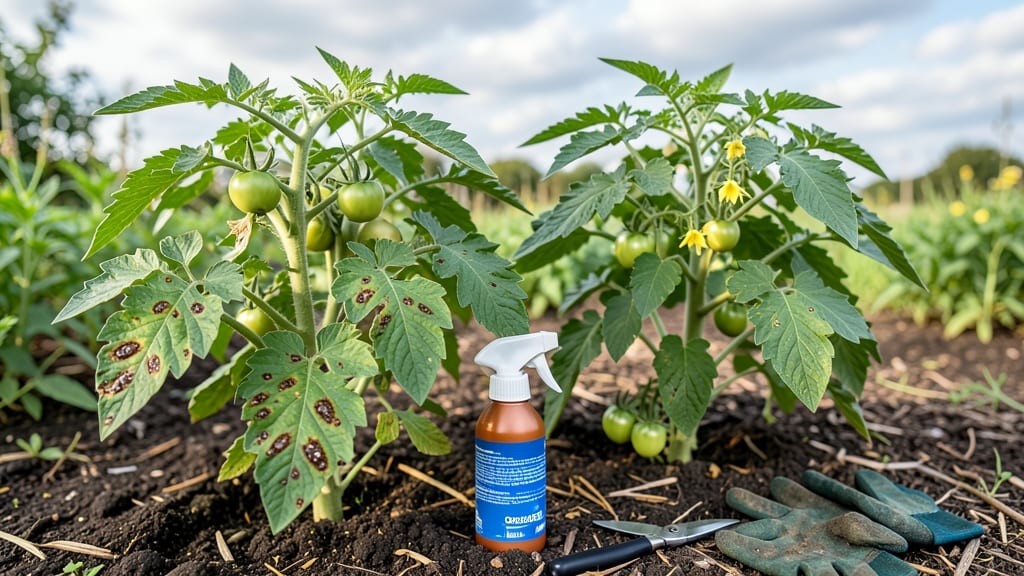
Your tomato plants look healthy until tiny black specks ruin the harvest. 🌱 Bacterial speck spreads fast, but a copper spray cure in just 3 steps can save your season—no harsh chemicals needed.
I’ve used this method after losing entire plants to the disease, and it works when store-bought sprays fail.
The problem starts with water splashing from soil to leaves, carrying bacteria that create those telltale specks. Copper disrupts the cycle by preventing spores from germinating. You’ll need copper fungicide, a spray bottle, and 10 minutes—that’s it.
The key is timing: apply spray at dawn or dusk when humidity is high but leaves are dry.
Within 3-5 days, new growth stays speck-free, and existing spots stop spreading. Your plants will rebound with vibrant green leaves and heavier fruit by midseason. The best part? This method prevents future outbreaks too, so you won’t repeat last year’s heartbreak.
Works for heirlooms, cherry tomatoes, and hybrids alike. If you’ve struggled with bacterial speck, this is the foolproof fix—no more guessing. Let’s get those plants back to thriving.
Root Causes of Tomato Leaf Spots
Bacterial speck isn’t just a random nuisance—it’s the result of specific conditions that create the perfect storm for Pseudomonas syringae pv. tomato to thrive. Understanding these triggers helps you prevent outbreaks before they start. Let’s break down the key factors that turn your tomato plants into bacterial buffets.
Bacterial speck lives on water. When water droplets splash onto leaves—especially from overhead irrigation or rain—the bacteria hitch a ride through natural openings like stomata (tiny leaf pores) or wounds. Here’s why it’s a problem:
- Splash dispersion: Water droplets act like tiny projectiles, carrying bacteria from soil or infected plant debris directly onto healthy leaves.
- Humidity hotspots: Speck thrives in humidity levels above 75%. Stagnant air around dense foliage traps moisture, creating a bacterial breeding ground.
- Nighttime dew: Morning dew on leaves can linger for hours, giving bacteria ample time to invade before the sun dries things out.
Actionable fix: Use drip irrigation or soaker hoses to keep water at the soil level. If overhead watering is unavoidable, water early in the day (before 10 AM) to allow leaves to dry quickly.
Bacterial speck loves stress, and temperature swings are a major stressor. The bacteria multiply rapidly in cool (60–75°F) but not freezing conditions—ideal for spring and fall gardens. Here’s how it works:
| Temperature Range | Bacterial Activity | Tomato Plant Stress |
|---|---|---|
| Below 50°F | ❄️ Dormant (but survives) | ❄️ Chilling injury weakens defenses |
| 50–60°F | 🟢 Slow growth, but waits for warmth | 🌱 Stunted growth, vulnerable to infection |
| 60–75°F | 🔥 EXPONENTIAL GROWTH (peak infection risk) | 🌡️ Heat stress + humidity = perfect storm |
| Above 80°F | 🟡 Slows down (but spores persist) | 💦 Water loss + heat shock = weakened plants |
Actionable fix:
- Use row covers in early spring/fall to moderate temperature swings.
- Avoid planting tomatoes in low-lying areas where cold air pools overnight.
- Mulch with straw or black plastic to stabilize soil temps.
Bacterial speck hates fresh air. When tomato plants are packed too closely together, humidity builds up, and leaves stay wet longer. This creates a microclimate where bacteria spread like wildfire. Key issues:
- Leaf wetness: Dense foliage traps moisture, extending the window for bacterial entry.
- Spores spread faster: Infected leaves brush against healthy ones, transferring bacteria via wind or splashing rain.
- Weakened defenses: Overcrowded plants compete for nutrients, making them easier targets.
Actionable fix:
- Space tomato plants 18–24 inches apart (or follow variety-specific guidelines).
- Prune lower leaves to improve airflow (especially in greenhouses).
- Use fan circulation in greenhouses to reduce humidity.
Bacterial speck doesn’t just come from the sky—it hides in your tools and soil. Here’s how contamination spreads:
- Infected plant debris: Old tomato stems, leaves, or even compost with diseased material harbor bacteria over winter.
- Reused tools: Pruners, trellises, or stakes contaminated from last season’s infected plants can reintroduce the bacteria.
- Water sources: Rain barrels, ponds, or reused irrigation water may carry bacterial spores.
Actionable fix:
- Sterilize tools with 10% bleach solution or rubbing alcohol between uses.
- Remove and destroy (don’t compost) infected plant material. Burn or trash it far from the garden.
- Test soil pH—acidic soil (below 6.0) can increase bacterial activity. Amend with lime if needed.
💡 Pro Tip: If you’ve had bacterial speck before, rotate crops—don’t plant tomatoes, peppers, or eggplants (all in the nightshade family) in the same spot for 3 years. The bacteria can linger in soil!
Quick Fixes for Speckled Tomato Leaves
Bacterial speck on tomato plants can feel like a losing battle—until you know the right moves. The good news? With targeted strategies, you can stop the spread, heal your plants, and prevent future outbreaks.
Below, we break down solutions by cause, so you can tackle the problem head-on without guesswork.
Bacterial speck thrives on decaying organic matter, so cleanup is your first line of defense. If you ignore infected leaves, stems, or fruit, the bacteria will multiply and reinfect your garden.
- 🗑️ Step 1: Snip off all speckled leaves, stems, and fruit with clean pruners (sterilize with rubbing alcohol between cuts). Do not compost them—toss them in the trash or burn them.
- 🌱 Step 2: Remove and destroy any heavily infected plants (especially if >50% of the foliage is damaged). This prevents the disease from spreading to healthy plants.
- 💡 Pro Tip: Wear gloves and avoid touching other plants with pruners or hands to prevent cross-contamination.
Copper-based fungicides are the gold standard for bacterial speck because they disrupt the bacteria’s cell wall. Use it at the first sign of speck for best results.
- 🛒 Step 1: Choose a fixed copper fungicide (like Copper Sulfate Pentahydrate or Copper Hydroxide). Avoid homemade copper solutions (like vinegar + pennies)—they’re ineffective and can harm plants.
- 🌿 Step 2: Spray evenly on both sides of leaves, stems, and fruit. Focus on undersides of leaves (where bacteria hide) and new growth.
- ⏰ Step 3: Apply every 7–14 days or after heavy rain (copper washes off). Stop spraying 2 weeks before harvest to avoid copper residue on fruit.
- 🌡️ Pro Tip: Early morning or late evening applications reduce leaf burn from sunlight.
Healthy tomatoes fight off bacterial speck better. Strengthen your plants with these low-tech, high-impact strategies:
- 💧 Step 1: Water at the Base
- Avoid overhead watering (rain or sprinklers), which splashes bacteria onto leaves.
- Use drip irrigation or soaker hoses to keep foliage dry.
- 🌱 Step 2: Improve Airflow
- Space tomato plants 18–24 inches apart and prune suckers to reduce humidity.
- Remove weeds and debris around plants to discourage bacterial buildup.
- 🍽️ Step 3: Feed Right
- Use a balanced fertilizer (10-10-10 or 5-5-5) at planting, then switch to a low-nitrogen, high-phosphorus fertilizer (like 3-4-6) when flowers appear.
- Avoid over-fertilizing with nitrogen—it makes plants soft and more susceptible to disease.
- ✨ Pro Tip: Add 1 tablespoon of baking soda per gallon of water to your copper spray for extra fungal/bacterial protection (test on a small leaf first).
Once you’ve treated the current infection, break the bacterial speck cycle with these long-term fixes:
| Action | Why It Works |
|---|---|
| 🌱 Rotate crops every 3 years (avoid planting tomatoes, peppers, or eggplants in the same spot). | Bacterial speck survives in soil—rotation starves it out. |
| 🌿 Plant resistant varieties like ‘Celebrity,’ ‘Mountain Merit,’ or ‘Defiant PhR.’ | These tomatoes have Phytophthora-resistant traits that help repel bacterial diseases. |
| 🍅 Use companion plants like basil, marigolds, or garlic near tomatoes. | They repel pests (which spread bacteria) and improve airflow. |
| 🧼 Sterilize tools with 1 part bleach to 9 parts water between uses. | Prevents tool-borne contamination of healthy plants. |
🎯 Final Reminder: Act fast. Bacterial speck spreads in 24–48 hours under ideal conditions. The sooner you act, the easier it is to save your tomato harvest!
Frequently asked questions
What do bacterial speck spots actually look like on tomato leaves?
Bacterial speck appears as tiny, black or brown specks (about 1/16-inch wide) on both leaf surfaces and stems. These spots often have water-soaked edges and may merge into larger, greasy-looking patches during humid weather. Check undersides of leaves first—this is where bacteria hide!
Can I still eat tomatoes with bacterial speck?
Yes, but only if the fruit itself is unaffected. The disease primarily attacks leaves, not the tomatoes. Remove any speckled leaves before they touch the fruit. If spots appear on the fruit, discard it—bacterial speck can make tomatoes unappetizing and potentially unsafe to eat.
How often should I apply copper spray for prevention?
For prevention, apply copper fungicide every 7–10 days during wet seasons or when temperatures stay between 60–75°F. Start spraying at the first sign of rain or when new leaves emerge. If your plants are already infected, apply immediately and repeat every 5–7 days until symptoms stop spreading.
Will bacterial speck kill my tomato plants?
Not necessarily! While severe cases can weaken plants, bacterial speck rarely kills tomatoes outright. The real danger is secondary infections (like fungal diseases) that exploit weakened leaves. Act fast with copper sprays and proper cleanup to save your harvest—most plants recover fully with treatment.
Can I use vinegar or baking soda instead of copper?
Baking soda can help as a supplemental treatment (1 tbsp per gallon of water), but it’s not a replacement for copper. Vinegar is ineffective against bacterial speck and can harm plants. Copper is the only proven solution—it directly disrupts the bacteria’s cell structure while other methods only provide temporary relief.