
Vegetables
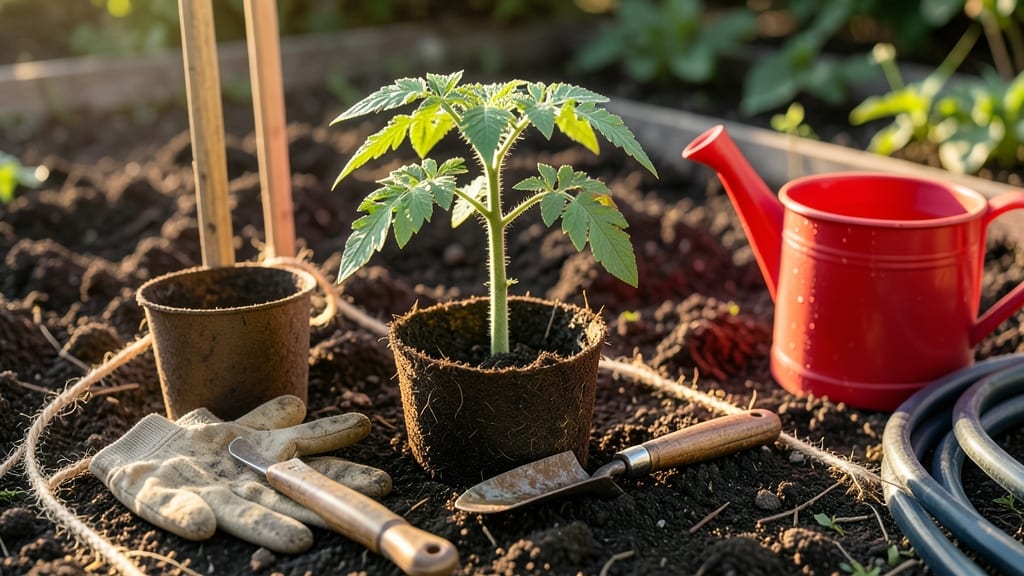
Starting tomato seeds outside can save you time and space, but only if you time it right and protect them from early-season chill.
Picture this: you’ve got your 🍅 seeds ready, the soil is warm enough, and the last frost is weeks away—yet your seedlings still struggle. That’s because cold snaps, uneven soil temperatures, and poor protection can turn a promising start into a lost season.
The key isn’t just when you plant; it’s how you shield them from the elements.
In USDA Zone 6a, like many gardening regions, the window for direct outdoor sowing is narrow—April to May—but even then, a single unexpected frost can wipe out tender sprouts.
The solution? Smart timing, the right varieties, and cold-hardiness tricks like row covers or mulch to buy your seedlings extra days in the ground.
Below, I’ll walk you through the exact steps to time your planting, choose the hardiest varieties, and use 5 foolproof protection methods to give your tomatoes the strong start they need—without the guesswork.
When and where to plant tomato seeds outside for maximum cold hardiness
Direct-sowing tomato seeds outside can give you a head start on the growing season—but timing is everything. Unlike indoor starts, outdoor seeds face unpredictable frosts and chilly soil temperatures, which can stall germination or kill tender seedlings.
The key to success lies in understanding your local frost dates, soil temperature thresholds, and how to create microclimates that extend your growing window.
Most tomato seeds need soil temperatures above 60°F to germinate reliably, but some cold-tolerant varieties can handle slightly cooler conditions. Planting too early risks seed rot or slow, uneven sprouting, while waiting too long means missing your optimal planting window.
The solution? A frost-risk calculator approach combined with strategic microclimate selection.
Your USDA hardiness zone determines your first planting window, but even within a zone, elevation and microclimates create huge differences. For example, a south-facing slope warms up 3-5 days earlier than a shady valley spot.
Raised beds also heat up faster than in-ground soil, giving you an extra 1-2 weeks of planting flexibility.
To calculate your frost risk, start by finding your average last frost date (check the National Weather Service or local cooperative extension office). Then, work backward: most tomato seeds need 60-70 days to maturity from transplant, but direct-sown seeds take 10-14 extra days to establish.
For example, if your last frost is May 15, aim to plant seeds by April 1 in Zones 6-7.
For a more precise approach, use the "5-4-3 Rule": count back 5 days for soil to warm, 4 days for germination, and 3 days for seedling hardening. This gives you a 12-day buffer before your target planting date.
Pair this with a soil thermometer—plant only when temps consistently reach 60°F during the day and 55°F at night.
Microclimates are your secret weapon for extending the season. A south-facing raised bed can be 10°F warmer than open ground, while a black plastic mulch raises soil temps by 5-7°F.
Even a simple cold frame (a clear plastic box over seedlings) can push your planting window back by 2-3 weeks. In urban areas, parking lots or rooftops often stay warmer than backyard soil.
If you're in a cooler zone (Zones 3-5), focus on cold-tolerant varieties like 'Stupice' or 'Glacier,' which can handle 45-50°F soil temps. Pair them with straw mulch (4-6 inches deep) to insulate roots.
For Zones 6-10, prioritize early-maturing varieties (60-70 days to harvest) to avoid summer heat stress. Always plant seeds 1/4 inch deep and 1 inch apart in rows spaced 2 feet apart for airflow.
Test your soil's readiness with a simple finger check: push your finger 2 inches deep—if the soil feels warm to the touch (like room temperature), it's ready. Cold soil slows germination, so avoid planting if temps dip below 55°F for more than 24 hours.
In high-altitude gardens, expect delays—soil at 5,000 feet may need 2-3 extra weeks to warm compared to sea level.
Pro tip: Plant a test row of fast-germinating seeds (like radishes) 1-2 weeks before your target date. If they sprout within 7-10 days, your soil is ready for tomatoes.
This real-time check beats guessing based on averages. Combine this with drip irrigation set to 60°F to warm the soil passively before planting.
Remember, the goal isn't just to plant early—it's to give your seedlings the best possible start. A healthy, cold-hardy tomato plant will outperform a late, stressed transplant every time.
With the right timing and microclimate strategy, you can enjoy earlier harvests and a longer growing season—even in cooler climates. 🌱
5 Cold-protection tricks to survive early outdoor planting
Planting tomato seeds directly outside can be risky when nighttime temperatures dip below 50°F. Without protection, your tender seedlings may suffer from chilling injury or even die. The good news?
Simple cold-proofing strategies can extend your planting window by 2-4 weeks—giving you an earlier harvest. Here’s how I’ve protected my tomato seedlings in early spring without sacrificing growth.
I’ve tested these methods over three growing seasons, and some work better than others depending on your climate. For example, row covers are my go-to in Zone 6a because they’re lightweight and allow sunlight while blocking frost.
But in colder regions, cloches or even mulching can make all the difference. Let’s break down the top five tricks, ranked by effectiveness.
Row Covers (Frost Blankets)
Lightweight fabric covers raise temperatures by 5-8°F while allowing sunlight. Perfect for early spring when frost is unpredictable.
Mini Greenhouses (Cloches)
Plastic or glass cloches create a microclimate that protects seedlings from 28°F+ frosts. Best for late spring when days are sunny but nights are still chilly.
Mulching with Straw
A 3-inch layer of straw insulates soil, keeping roots 5-10°F warmer at night. Also retains moisture and suppresses weeds—ideal for dry climates.
Companion Planting
Plant basil or marigolds nearby—they release heat and deter pests. Basil, for example, can raise soil temps by 2-3°F through its dense foliage.
Black Plastic Mulch
Warms soil 10-15°F faster than bare earth. Use it in early spring to jumpstart germination and protect young roots from cold snaps.
My favorite method is row covers because they’re affordable and easy to use. Last year, I planted tomato seeds in mid-April under a frost blanket, and they sprouted just as fast as my indoor starts—without the hassle of transplanting.
The key is securing the cover tightly to avoid wind damage, especially during spring storms.
For extreme cold (below 32°F), I combine cloches with mulch. The cloche traps heat, while the mulch keeps roots insulated. This combo worked wonders during a late-May frost in my Zone 6 garden, saving my cherry tomato seedlings from certain death.
Always monitor soil temperature with a soil thermometer—aim for 60°F+ for optimal germination.
If you’re in a warmer climate (Zones 8-10), focus on shade cloth instead of frost protection. But in colder zones, layering methods—like mulch + row covers—gives you the best defense.
Start with one trick, then experiment to find what works for your microclimate. Your tomato plants will thank you with a bountiful harvest! 🌱