
Vegetables
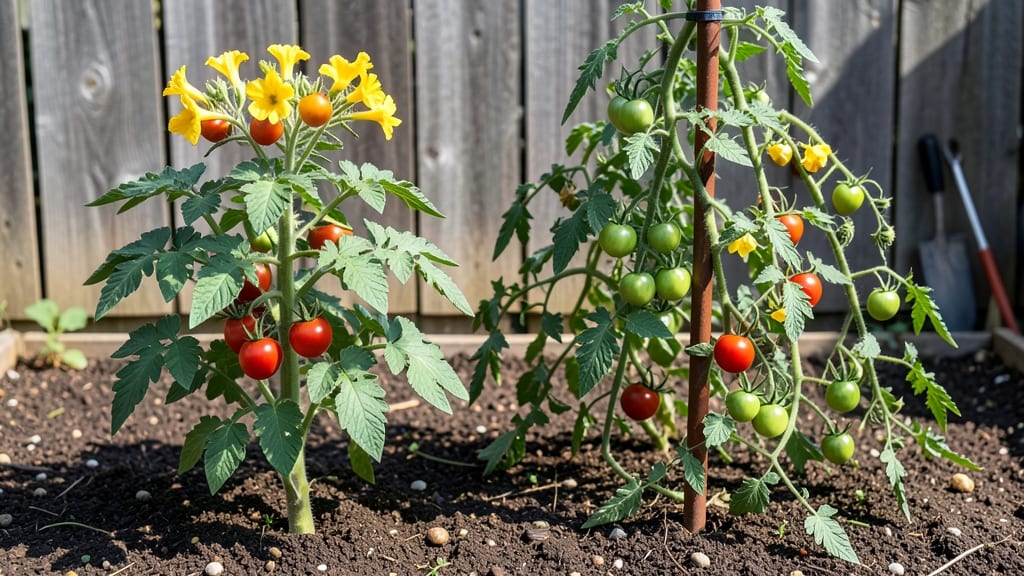
Choosing between super fantastic tomato determinate or indeterminate varieties means the difference between a compact bush with one big harvest and a sprawling vine that keeps producing all season. 🌱 I spent years growing both types, and here’s what I’ve learned about their growth habits, space needs, and how to pick the right one for your garden—whether it’s a tiny balcony or a sprawling backyard plot.
Determinate tomatoes grow in neat, bushy plants that stop at a certain height (usually 3–5 feet), setting all their fruit at once. They’re perfect for canning, sauces, or if you want a single massive harvest—think of them as the "all-at-once" performers.
Indeterminate varieties, on the other hand, keep growing and producing until frost, creating a steady supply of tomatoes all summer long. The trade-off? They need strong trellises and more space to sprawl.
For small gardens or containers, determinate types like ‘Roma’ or ‘Celebrity’ are your best bet—they stay compact and don’t need pruning.
But if you love fresh tomatoes straight from the vine all season, indeterminate varieties like ‘Sungold’ or ‘Brandywine’ will reward you with endless harvests—if you give them the right support and care. The key is matching the plant to your space and goals.
Here’s the secret: determinate tomatoes thrive with minimal pruning and love warm, sunny spots, while indeterminates need regular pruning, staking, and consistent watering to keep them productive.
Once you understand their differences, you’ll pick the perfect variety for your garden—and enjoy tomatoes that taste like summer, no matter which type you choose.
📚 In This Guide
- What you need
- Instructions
- Tips and common mistakes
- Wrapping up and next steps
What you need
- ● Tomato Seeds or Seedlings: Determinate varieties (e.g., Roma, Celebrity): 6–10 plants
- ● Indeterminate varieties (e.g., Sungold, Beefsteak): 4–6 plants
- ● Containers or Garden Beds: For containers: 5-gallon pots or larger (1 per plant for indeterminate; 1–2 per determinate plant if bushy)
- ● For in-ground: Well-draining soil with 6–8 hours of sunlight
- ● Potting Mix: High-quality, organic mix (e.g., Miracle-Gro Moisture Control or homemade blend: 60% compost, 30% coconut coir, 10% perlite)
- ● Fertilizer: Balanced 10-10-10 fertilizer (for seedlings)
- ● Tomato-specific 5-10-10 or 7-9-5 fertilizer (once flowering begins)
- ● Support Structures: Indeterminate: Tall cages (6–8 ft), stakes (8 ft), or trellises
- ● Determinate: Low cages (4–5 ft) or stakes (5 ft)
- ● Pruning Tools: Sharp bypass pruners (for indeterminate varieties)
- ● Garden shears (for determinate varieties)
- ● Mulch: Straw or wood chips (2–3 inches thick) to retain moisture and suppress weeds
- ● Watering Supplies: Watering can or drip irrigation system
- ● pH test kit (to monitor soil pH: ideal range 6.0–6.8)
- ● Grow Lights: For seedlings (12–16 hours/day if natural light is insufficient)
- ● Epsom Salt: 1 tbsp per plant (every 2–3 weeks for magnesium boost)
- ● Compost Tea: Organic liquid fertilizer for extra nutrients
- ● Row Covers: Lightweight fabric to protect seedlings from pests or frost
- ● Tomato Clips: Soft ties to secure vines to stakes/cages
How to choose between determinate and indeterminate tomato varieties
Tomatoes are the ultimate gardening flex—they let you grow from bushy compact plants to sprawling vines. Here's how to pick the perfect variety for your space and goals.
🌱 Step 1: Understand Determinate Tomato Growth Habits
Determinate varieties are the reliable workhorses of the tomato world. They grow to a fixed height—typically 3-5 feet tall—and produce fruit all at once over a 2-3 week window. This makes them perfect for canning, sauces, or when you want a bumper crop in one go. Think of them like the neat, organized roommate who always cleans up after themselves.
Look for varieties like 'Roma', 'Celebrity', or 'Better Boy' if you need consistent, heavy production in a compact space. These plants naturally form a bushy shape, so they require minimal staking—just a cage or simple support to hold up the fruit load. The trade-off? You'll need to plant new determinate varieties every year since they don't continue producing after their main harvest.
🌿 Step 2: Explore Indeterminate Tomato Characteristics
Indeterminate tomatoes are the thrill-seekers of the garden. They keep growing taller and producing fruit all season long until frost stops them. These vines can reach 6-12 feet or more if given proper support, making them ideal for trellises, fences, or tall cages. Varieties like 'Sungold', 'Brandywine', or 'Cherokee Purple' deliver continuous harvests with fewer plants.
Here's the thing—indeterminate tomatoes need more attention. You'll be pruning suckers (those little shoots in the leaf axils) regularly to direct energy to fruit production and training vines upward. But the payoff? You get tomatoes from early summer until the first hard frost, often with fewer plants than determinate varieties would require for the same yield.
☀️ Step 3: Match Varieties to Your Growing Conditions
Your climate and space dictate which type will thrive best. In cooler regions with shorter growing seasons, determinate varieties often perform better because they mature faster. Look for early-season determinates like 'Stupice' or 'Mountain Merit' that can handle cooler temperatures and still produce reliably.
For warm climates or containers, indeterminate varieties shine. They continue producing as long as conditions are favorable, and their sprawling growth works beautifully in vertical gardens. Just ensure you have strong support—a 6-foot tomato cage or trellis system—because these plants will test the limits of whatever you put them in. Remember, indeterminate tomatoes need full sun (6-8 hours daily) and consistent moisture to keep that vine growing and fruiting.
✂️ Step 4: Plan for Harvest and Maintenance Needs
Determinate tomatoes deliver their harvest all at once, which is fantastic if you're prepping for canning or preserving. You'll need to monitor them closely during their peak production period—2-3 weeks—to avoid fruit rot or sunscald. Once they finish producing, you can pull them and replant for a fall crop if your season allows.
Indeterminate tomatoes require more ongoing maintenance but reward you with a prolonged harvest. Prune suckers weekly to keep the plant focused on fruit production, and watch for early signs of disease since their continuous growth means more exposure to pests. The key is balance—remove too many suckers, and you limit yield; leave too many, and the plant gets overwhelmed. Aim to keep 2-3 main stems on your indeterminate plants for optimal production.
🪴 Step 5: Consider Your Garden Layout and Goals
If you're working with limited space or want a low-maintenance option, determinate varieties are your best bet. They fit neatly into small gardens, containers, or even hanging baskets (with dwarf varieties). For example, 'Tiny Tim' or 'Patio Princess' determinates thrive in 5-gallon containers and produce plenty of fruit without taking over your space.
For larger gardens or if you love the idea of fresh tomatoes all season, indeterminate varieties let you maximize vertical space. Train them up a strong trellis or A-frame support to keep them off the ground and make harvesting easier. Pro tip: Interplant determinate varieties at the base of your indeterminate tomatoes—the early determinate harvest will give you tomatoes while the indeterminate is still getting established, and the determinate's bushy growth helps shade the soil, reducing weeds.
Tips & tricks for perfect tomato variety selection
These game-changing insights will help you maximize your tomato garden's potential—whether you're working with compact determinate bushes or sprawling indeterminate vines.
Support System Strategy: For indeterminate varieties reaching 6-12 feet, invest in a sturdy trellis system or reinforced A-frame support—not a flimsy cage. I learned this the hard way when my 8-foot 'Brandywine' snapped a weak cage during a summer storm. The vines need to grow vertically without bending under fruit weight, and proper support also improves air circulation, reducing disease risk.
Seasonal Timing Tip: In cooler climates, plant determinate varieties like 'Mountain Merit' 2-3 weeks earlier than indeterminates to take advantage of their faster maturation. The 2-3 week harvest window for determinates means you'll get tomatoes while indeterminates are still establishing their vines. This staggered planting creates a continuous harvest from early summer through fall.
Pruning Precision: When maintaining indeterminate plants, focus on removing suckers that grow in the leaf axils—these are the shoots between the main stem and branches. Aim to keep 2-3 main stems for optimal production. I recommend pruning weekly during peak growth to prevent overcrowding, which can lead to disease. The key is balance: too many suckers divert energy from fruit production, while too few can stress the plant.
Container Considerations: For determinate varieties in 5-gallon containers, choose dwarf varieties like 'Tiny Tim' and ensure the container has drainage holes. The 3-5 feet height limit of determinates makes them ideal for containers, but they'll still need support as they bear fruit. Place containers where they'll receive 6-8 hours of direct sunlight daily, and rotate them occasionally for even growth—containers can develop hot spots where one side gets more sun.
Pro Tips for Super Fantastic Tomato Determinate Or Indeterminate
- These game-changing insights will help you maximize your tomato garden's potential—whether you're working with compact determinate bushes or sprawling indeterminate vines.
- Support System Strategy: For indeterminate varieties reaching 6-12 feet, invest in a sturdy trellis system or reinforced A-frame support—not a flimsy cage.
- Seasonal Timing Tip: In cooler climates, plant determinate varieties like 'Mountain Merit' 2-3 weeks earlier than indeterminates to take advantage of their faster maturation.
Frequently asked questions
What’s the difference between determinate and indeterminate tomatoes in terms of harvest?
Determinate tomatoes produce fruit all at once (great for canning or sauces), while indeterminate varieties yield continuously until frost (ideal for fresh eating). If you love steady snacks all season, go indeterminate. Need a big harvest at once? Determinate’s your pick!
How long does it take for determinate vs. indeterminate tomatoes to bear fruit?
Determinate tomatoes typically fruit 60–70 days after transplanting, while indeterminate varieties take 70–85 days (or longer). If you’re in a short growing season, determinate types give you a quicker reward—but indeterminate ones keep producing longer!
Can I grow both types in containers? Which is better?
Yes! Both work in containers, but indeterminate tomatoes thrive best in large pots (5+ gallons) with sturdy cages or trellises. Determinate types need slightly less space (3–5 gallons) and are easier for beginners. For small spaces, dwarf determinate varieties (like ‘Tiny Tim’) are perfect!
Why did my indeterminate tomato stop producing fruit? How can I fix it?
Common culprits: overwatering, lack of sunlight, or too much nitrogen (which fuels leaves, not fruit). Try pruning suckers, ensuring 6–8 hours of sun daily, and fertilizing with low-nitrogen, high-phosphorus feed (like 5-10-10). Also, check for pests like aphids!
Are there any low-maintenance tomato varieties for busy gardeners?
Try determinate varieties like ‘Roma’ or ‘Celebrity’—they’re compact, disease-resistant, and produce a big harvest with minimal fuss. For indeterminate, ‘Sungold’ or ‘Sweet 100’ are vigorous but need regular pruning. Pro tip: Choose disease-resistant hybrids (marked with ‘V’ or ‘F’ codes) to cut back on work!
Wrapping up and next steps
Choosing between determinate and indeterminate tomatoes doesn’t have to be overwhelming—it’s all about matching your garden’s needs to your lifestyle! Whether you crave bountiful early harvests (determinate) or endless summer vines (indeterminate), there’s a perfect variety waiting for you. 🌱
Ready to grow? Start by sketching your garden layout—consider space, stakes, and your harvest timeline. Then, grab those seeds or seedlings and get planting! Your future salads, sauces, and sandwiches will thank you.