
Container Gardens
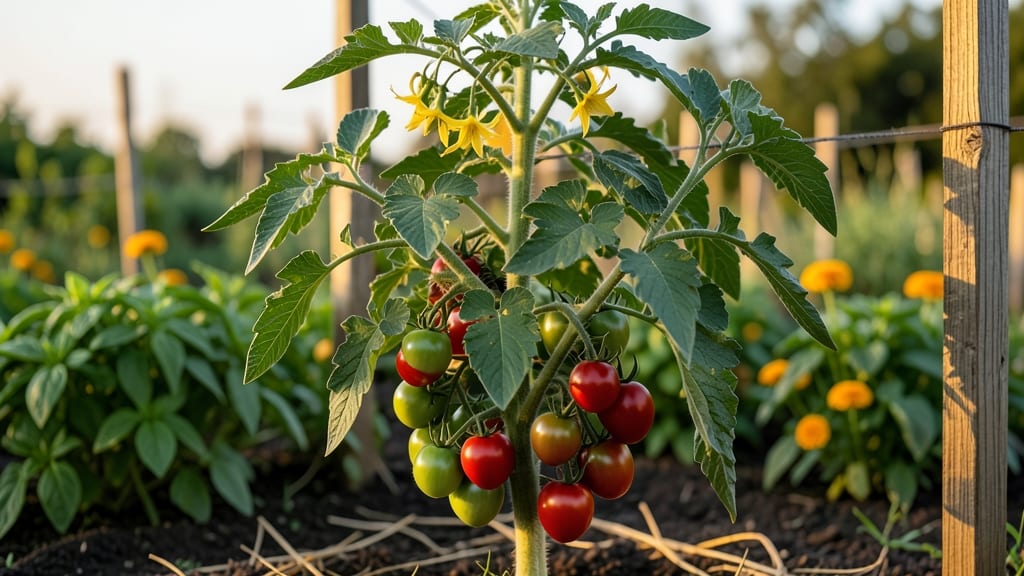
Georgia’s tomato primary growing regions are as diverse as its landscapes—from the humid Coastal Plain to the cooler Mountain areas—each demanding the right varieties and timing. 🌱 I’ve grown tomatoes across these zones, and the difference between a thriving harvest and a wilted mess often comes down to matching your region’s climate to heat-resistant varieties like 'Celebrity' or 'Solar Fire.'
The Coastal Plain’s long, hot summers call for early planting (mid-February to early March) and shade cloth by June, while the Piedmont’s moderate climate allows a longer window (late March to April) with varieties like 'Better Boy' thriving in its slightly cooler nights.
Mountain regions, with their shorter seasons, need fast-maturing 'Mountain Merit' planted in May after the last frost. You’ll end up with tomatoes that ripen reliably—juicy, vine-ripened fruit straight from your garden—without the stress of blight or heat scorch.
The key is knowing your frost dates, adjusting for microclimates (like urban heat islands), and choosing varieties bred for your zone’s extremes. Whether you’re in Savannah’s humidity or the foothills of the Blue Ridge, these regional tweaks make all the difference.
Let’s get those seeds in the ground at the perfect time!
📚 In This Guide
- What you need
- Instructions
- Tips and common mistakes
- Wrapping up and next steps
What you need
- ● Tomato Seeds or Seedlings: Heat-resistant varieties like ‘Celebrity,’ ‘Heatmaster,’ or ‘Solar Fire’ (check Georgia’s USDA Zone 7b-8a suitability).
- ● Quantity: 3–6 plants per container (or 1 plant per 12" of row space in gardens).
- ● Containers (if applicable): Minimum 5-gallon pots (18"+ diameter) for determinate varieties; 7+ gallons for indeterminate.
- ● Drainage holes + saucers (to catch runoff).
- ● Lightweight materials (fabric pots, plastic, or wood) to prevent overheating.
- ● Growing Medium: High-quality potting mix (sterilized, peat-based or coconut coir blend).
- ○ Optional: 10–20% compost or worm castings for nutrients.
- ● Avoid garden soil (too dense for containers!).
- ● Fertilizer: Balanced 5-10-10 or tomato-specific fertilizer (follow label rates).
- ● Slow-release granules or liquid feed (e.g., fish emulsion).
- ● Basic Tools: Trowel or small shovel.
- ● Gloves (to protect from thorns and soil-borne pathogens).
- ● Watering can or hose with adjustable nozzle (drip irrigation ideal).
- ● Support Structures (for indeterminate varieties): Cages (5–6 ft tall), stakes (6+ ft), or trellises.
- ● Twine or soft plant ties (avoid wire—it cuts stems!).
- ● Prerequisites: Full-sun location (6+ hours daily; Georgia’s heat means morning sun + afternoon shade helps in peak summer).
- ● pH-balanced soil (6.0–6.8; test kits available at garden centers).
- ● Access to water (containers dry out fast in Georgia’s heat!).
- ● Mulch (straw or black plastic) to retain moisture and regulate soil temp.
- ● Shade cloth (30–50%) for seedlings or extreme heatwaves.
- ● Pruning shears (for removing suckers and dead leaves).
- ● Row covers (floating fabric) to protect from pests like hornworms.
How to choose and plant tomatoes in Georgia’s best growing regions
Georgia’s climate offers four distinct tomato-growing zones—here’s how to match varieties to your region’s heat and humidity.
🌱 Step 1: Identify Your Georgia Growing Region
Georgia’s tomato zones break into four key areas based on heat tolerance and frost dates. The Upper Coastal Plain (southeast) has the longest growing season, while the Mountains (northwest) face shorter summers. Check your zip code for exact deadlines, but here’s the general rule: Plant in late February to early March in the south and March to early April in the north.
I always verify my region by checking the University of Georgia Extension’s planting calendar—it accounts for microclimates better than generic guides. The Piedmont region (middle Georgia) is the most versatile, handling both early spring and late summer plantings. If you’re in the Lower Coastal Plain, focus on heat-resistant varieties like ‘Celebrity’ or ‘Heatmaster’—they thrive in 90°F+ afternoons.
☀️ Step 2: Select Heat-Resistant Varieties for Your Zone
Not all tomatoes handle Georgia’s humidity and summer heat equally. For southern Georgia, choose indeterminate varieties like ‘Solar Fire’ or ‘Mountain Merit’—they produce fruit continuously and tolerate 95°F+ with proper watering. In the Piedmont, semi-determinate types like ‘Better Boy’ or ‘Arkansas Traveler’ balance yield and heat tolerance.
If you’re in the Mountains, opt for early-maturing varieties like ‘Stupice’ or ‘Mountain Spring’—they ripen before summer’s peak heat arrives. I’ve learned the hard way that planting heirloom tomatoes (like ‘Brandywine’) in the south without shade leads to sunscald and cracked fruit. Always check the days to maturity label and adjust your planting timeline accordingly.
💧 Step 3: Prepare Soil and Plant at the Right Time
Georgia’s clay-heavy soils need amendments for optimal tomato growth. Work in 2-3 inches of compost or well-rotted manure before planting to improve drainage. In the Coastal Plain, add a mulch layer (straw or black plastic) to retain moisture and suppress weeds—summer rains can drown roots if drainage is poor.
Plant after the last frost date (around mid-March in the north, early February in the south) and before daytime highs hit 85°F consistently. If you’re in the Piedmont, I recommend starter plants instead of seeds—they outpace seedlings in the race to set fruit before summer’s heat peaks. Water deeply once a week (more in the south) to encourage deep root growth, but avoid wetting leaves to prevent fungal diseases like early blight.
✂️ Step 4: Manage Heat Stress and Pests Region-Specifically
In southern Georgia, shade cloth (30-50%) during June and July prevents sunscald and blossom drop. Prune suckers aggressively to focus energy on fruit production, and stake or cage plants to improve airflow. The Piedmont sees fewer extreme heat days, so pruning can be lighter—just remove diseased leaves immediately to stop fungal spread.
Pest pressure varies by region: hornworms ravage plants in the Coastal Plain, while aphids and whiteflies thrive in the Piedmont’s humidity. I use neem oil as a preventative spray every 10-14 days in high-risk areas. In the Mountains, deer and rabbits are the bigger threat—use physical barriers (row covers or fencing) if they’re a problem in your yard.
🍅 Step 5: Harvest and Extend the Season
Tomatoes ripen faster in cooler months, so plan a fall crop in the Piedmont and Mountains by planting late July to early August. In the Coastal Plain, focus on early spring harvests (March-April) and late fall (October-November). Pick fruit when it’s fully colored but still slightly firm—this prevents sunscald and overripening in the heat.
To extend your season, use row covers in early spring or low tunnels in fall. I’ve grown tomatoes in December in the Piedmont with these methods—just protect them from frost (below 32°F) and heavy rain. Store ripe tomatoes at room temperature (not the fridge) to preserve flavor, and use green tomatoes in fried green tomato recipes if a late frost threatens your crop.
Tips & tricks for thriving tomatoes in Georgia’s climate
Mastering Georgia’s tomato-growing zones takes more than just planting—it’s about understanding the nuances of each region’s heat and humidity.
Heat Tolerance Insight: The 90°F+ afternoons in southern Georgia demand varieties like ‘Heatmaster’ that won’t wilt under intense sun. I’ve found that even heat-resistant plants need afternoon shade during peak summer months (June-July) to prevent sunscald. Watch for leaves turning white or papery—this is your first warning sign that plants are struggling with heat stress.
Soil Prep Secret: Georgia’s clay-heavy soils need that 2-3 inches of compost mentioned in Step 3, but don’t stop there. Mix in a handful of perlite or vermiculite to improve aeration, especially in the Coastal Plain where drainage is critical. I’ve seen plants drown in heavy rains when soil doesn’t have proper drainage—this simple amendment makes all the difference.
Planting Timing Tip: The 85°F threshold mentioned for planting isn’t just about avoiding heat—it’s about giving seedlings time to establish roots before summer’s intensity. In the Piedmont, I’ve had success planting starter plants as late as early April when nighttime temperatures stay above 55°F. For southern regions, aim to have plants fully established by early May when daytime highs consistently exceed 85°F.
Pest Prevention: Neem oil is fantastic, but I’ve found that companion planting works even better in the Piedmont. Interplant tomatoes with basil or marigolds to naturally repel aphids and whiteflies. In the Coastal Plain, I’ve had success with row covers during early morning hours when hornworm activity peaks—just remove them when flowers appear to allow pollination.
Pro Tips for Tomato Primary Growing Regions In Georgia
- Mastering Georgia’s tomato-growing zones takes more than just planting—it’s about understanding the nuances of each region’s heat and humidity.
- Heat Tolerance Insight: The 90°F+ afternoons in southern Georgia demand varieties like ‘Heatmaster’ that won’t wilt under intense sun.
- Soil Prep Secret: Georgia’s clay-heavy soils need that 2-3 inches of compost mentioned in Step 3, but don’t stop there.
Frequently asked questions
What are the best tomato varieties for Georgia’s hot summers?
Georgia’s heat calls for heat-tolerant varieties like ‘Celebrity’ (disease-resistant), ‘Solar Fire’ (red, early producer), or ‘Arkansas Traveler’ (classic slicer). Look for determinate types (bushy) for containers or indeterminate (vining) for trellises. Always check your region’s last frost date to align planting with heat waves!
When is the ideal time to plant tomatoes in Georgia?
Start seeds indoors 6–8 weeks before your last frost date (typically mid-March for North GA, early April for South GA). Transplant seedlings after soil reaches 60°F+—aim for April–May in most regions. For fall harvests, sow seeds in July–August for a late-season bounty. Pro tip: Use row covers to protect young plants from late frosts!
How do I protect my tomatoes from Georgia’s extreme heat?
Heat stress? Try these tricks:
- Shade cloth (30–50%) during peak sun (11 AM–3 PM).
- Mulch with straw or black plastic to retain moisture.
- Water deeply in the morning (1–2 inches per week).
- Choose white or light-colored containers to reflect heat.
Can I grow tomatoes in containers in Georgia’s heat?
Use 5-gallon+ containers with drainage holes and fill with well-draining potting mix. Dwarf varieties like ‘Tiny Tim’ or ‘Patio’ thrive in pots. Place containers in partial shade during July–August if temps exceed 95°F. Add a time-release fertilizer every 4–6 weeks for nutrient boosts!
Why are my Georgia-grown tomatoes cracking?
Cracking is common in Georgia’s hot/dry spells followed by heavy rain. To prevent it:
- Keep soil consistently moist (not soggy).
- Avoid over-fertilizing with nitrogen—it promotes leafy growth over fruit.
- Harvest tomatoes firm but ripe (don’t wait for full redness).
- Try drip irrigation for steady watering.
Wrapping up and next steps
Georgia’s diverse climate makes it a tomato lover’s paradise—whether you’re in the Piedmont’s rolling hills or the coastal plains’ humid embrace.
From heat-resistant varieties like 'Celebrity' to early spring plantings in the north or late-winter starts in the south, the Peach State offers endless possibilities for a bountiful harvest. 🌱
Ready to grow your own? Start small—pick a variety suited to your region, gather your supplies, and dive in! Whether you’re a seasoned gardener or a curious beginner, Georgia’s tomato season is your chance to turn soil into sweet success. Happy planting! 🍅