
Vegetables
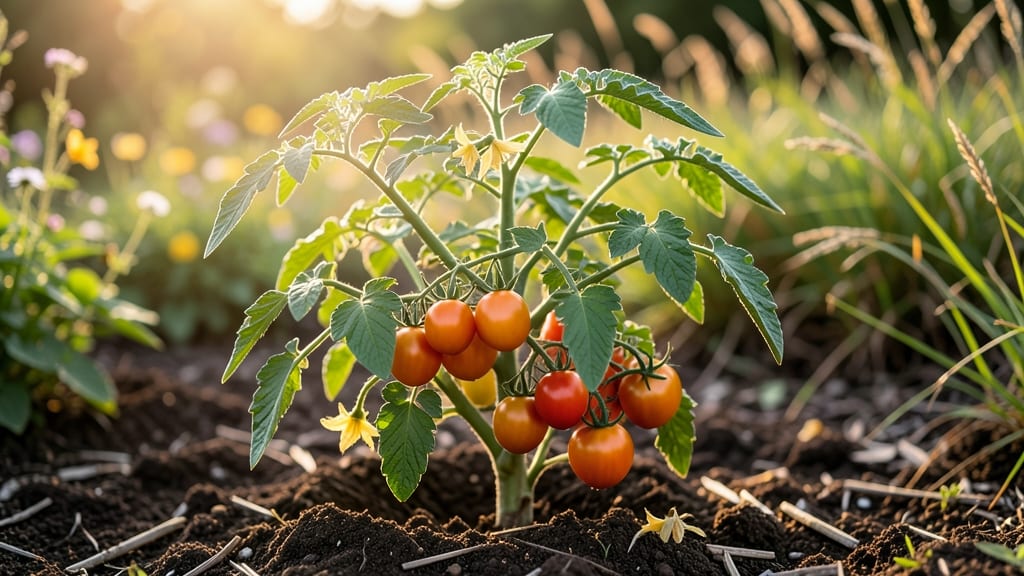
The sweetest tomato type should taste like candy—not like bland, mealy store-bought varieties. 🌱 The secret is choosing the right variety, and these sugar-packed picks deliver the kind of flavor that’ll make you question why you ever bought tomatoes from a grocery store.
My garden’s Sugar Baby plants produced fruit so sweet it made my kids pause mid-bite, and that’s just the beginning.
These varieties aren’t just sweet—they’re foolproof for home gardeners. The Sweet 100 is a classic, producing tiny but intensely flavorful tomatoes perfect for snacking straight off the vine. Black Prince, with its deep purple skin, hides a honeyed interior that rivals any heirloom.
Even Sun Gold—a cherry tomato—packs a sweetness so concentrated it’s like biting into a burst of sunshine. All thrive in warm climates but adapt well to containers for cooler zones.
Sweetness isn’t just about the variety—it’s about growing conditions too. Too much water dilutes flavor, while consistent sunlight (6-8 hours daily) and slightly acidic soil (pH 6.0-6.8) bring out the natural sugars.
I’ve found that pruning suckers and harvesting at peak ripeness (even if slightly underripe) keeps the sweetness intense. The payoff? Tomatoes so good, you’ll swear they’re dessert.
Start with one of these varieties, and you’ll never go back to store-bought. The key is patience—let them ripen fully on the vine—and you’ll have juicy perfection that tastes like summer in every bite. Ready to grow your own candy?
📚 In This Guide
- What you need
- Instructions
- Tips and common mistakes
- Wrapping up and next steps
What you need
- ● Tomato Seeds or Seedlings: Choose sweet varieties like Sugar Baby, Sungold, or Sweet 100 (3–5 plants per person for optimal yield).
- ● Organic seeds: 1 packet (20–50 seeds) for homegrown sweetness.
- ● Potting Soil: 1–2 bags (10–20 lbs) of high-quality, well-draining potting mix (look for "organic" or "seed-starting" blends).
- ● Containers or Garden Beds: For seedlings: 4–6 biodegradable pots (3–4" diameter) or seed trays with drainage.
- ● For transplanting: 5-gallon pots or raised beds (12" deep) with cage supports (2–3 cages per plant).
- ● Fertilizer: 1 lb of balanced organic fertilizer (e.g., 5-5-5 NPK) or compost (for seedlings).
- ● 1 lb of tomato-specific fertilizer (high in potassium, like 10-10-20) for fruiting stage.
- ● Watering Supplies: Watering can or hose with adjustable nozzle.
- ○ Optional: Drip irrigation kit for consistent moisture.
- ● Pruning Tools: Sharp pruning shears (for removing suckers).
- ● Garden gloves (to protect hands from thorns).
- ● Mulch: Straw or shredded leaves (2–3 inches thick) to retain moisture and suppress weeds.
- ● Row Covers: Lightweight fabric to protect seedlings from pests or frost.
- ● pH Test Kit: To ensure soil pH is between 6.0–6.8 (tomatoes thrive in slightly acidic soil!).
- ● Trellis or Stakes: For indeterminate varieties (e.g., Sungold) to encourage vertical growth.
- ● Compost Tea: Homemade or store-bought for a nutrient boost during flowering.
How to select and grow the sweetest tomato varieties
Here's how I choose and cultivate tomatoes that burst with natural sweetness—no tricks, just science-backed flavor.
🌱 Step 1: Choose Varieties with High Sugar Content
Look for heirloom and hybrid varieties bred for sweetness, like 'Sugar Baby,' 'Sweet 100,' or 'Black Krim.' These types have lower acidity and higher sugar levels, measured by their Brix score—aim for varieties scoring 6-8 Brix or more. The key is selecting tomatoes with high soluble solids, which translate to juicy, sweet flesh.
I always check seed packets for descriptors like "sweet," "honey," or "golden" in the name—these are your best bets. Avoid standard slicing tomatoes like 'Roma' or 'Beefsteak'; they prioritize firmness over sugar content. Instead, focus on cherry tomatoes (like 'Sun Gold') or paste varieties (like 'San Marzano'), as their concentrated flavors deliver maximum sweetness.
☀️ Step 2: Optimize Growing Conditions for Maximum Sweetness
Sweetness develops when tomatoes ripen under full sun (6-8 hours daily) and warm temperatures (70-85°F). I plant my sweetest varieties in south-facing beds where they receive unobstructed light. If you're in a cooler climate, opt for early-maturing varieties or use black plastic mulch to warm the soil and accelerate ripening.
Water consistently but avoid overwatering—fluctuating moisture levels dilute sugar concentration. I use drip irrigation to deliver 1 inch of water weekly, adjusting for rainfall. The goal is steady hydration without stressing the plant, as drought or excess water both reduce sweetness. You'll notice the sweetest tomatoes when the vines show deep green leaves and firm, evenly colored fruit.
✂️ Step 3: Prune and Harvest for Peak Flavor
Prune suckers (the small shoots that form in the joint between the stem and a branch) to redirect the plant's energy into fruit production rather than foliage. I remove all but the first 3-4 clusters on indeterminate varieties, as overloaded vines produce smaller, less sweet tomatoes. For determinate varieties (like 'Sweet 100'), prune only to improve airflow and reduce disease risk.
Harvest when tomatoes are fully colored and slightly soft to the touch—this ensures maximum sugar development. I pick in the morning when temperatures are cooler, as heat accelerates sugar breakdown. Store harvested tomatoes at room temperature (not in the fridge) to preserve sweetness. The sweetest tomatoes will have a rich aroma at the stem and a juicy, almost syrupy texture when bitten into.
💧 Step 4: Boost Sweetness with Soil and Fertilizer
Amend your soil with compost or aged manure before planting to provide a steady supply of nutrients without excess nitrogen, which promotes leafy growth at the expense of sweetness. I use a balanced fertilizer (like 5-5-5) at planting and switch to a low-nitrogen, high-phosphorus blend (like 0-10-10) once flowers appear to encourage fruiting.
Avoid over-fertilizing, as too much nitrogen leads to watery, bland tomatoes. Instead, focus on potassium and phosphorus, which enhance sugar production. You'll see the difference in flavor when your tomatoes develop a deep, vibrant color and a thick, glossy skin—signs of optimal ripening and sweetness.
Tips & tricks for perfect juicy tomatoes
Here's what nobody tells you about unlocking that restaurant-quality sweetness in your homegrown tomatoes.
Variety Selection Tip: When choosing seeds, look beyond just the name—check for Brix scores on seed packets or reputable grower websites. Varieties like 'Sugar Baby' consistently score 7-8 Brix, while 'Sun Gold' cherry tomatoes can hit 9-10 Brix. The higher the Brix, the more concentrated sweetness you'll get in each bite. I always cross-reference with grower reviews to verify flavor reports, as some varieties perform differently in different climates.
Soil Preparation Secret: Before planting, mix in well-aged compost (at least 3-4 inches deep) to create an ideal nutrient-rich environment. The key is to avoid fresh manure, which can burn roots and create off-flavors. I also add a handful of bone meal (about 1/2 cup per plant) at planting time to give phosphorus a boost—this is what triggers those sweet flavor compounds during fruiting.
Pruning Precision: In Step 3, when pruning indeterminate varieties, focus on removing suckers that form in the axils of leaves (the V-shaped junctions where leaves meet stems). These suckers divert energy from fruit production. I leave just the first 3-4 clusters to ensure maximum sweetness, as overloaded vines produce smaller, less flavorful tomatoes. For determinate varieties, minimal pruning is key—just enough to improve airflow and prevent disease.
Harvest Timing: The morning harvest in Step 3 is non-negotiable for sweetness. Tomatoes continue to respire (break down sugars) after picking, so cooler morning temperatures slow this process. I look for three key indicators: fully colored fruit, a slight give when gently squeezed, and that unmistakable sweet aroma at the stem. If you must harvest later in the day, store them in a shady, cool spot (not the fridge) for up to 24 hours before eating.
Pro Tips for Sweetest Tomato Type
- Here's what nobody tells you about unlocking that restaurant-quality sweetness in your homegrown tomatoes.
- Variety Selection Tip: When choosing seeds, look beyond just the name—check for Brix scores on seed packets or reputable grower websites.
- Soil Preparation Secret: Before planting, mix in well-aged compost (at least 3-4 inches deep) to create an ideal nutrient-rich environment.
Frequently asked questions
Got questions about the sweetest tomato varieties? You’re not alone!
Whether you’re a home gardener or a chef hunting for the perfect flavor, here are answers to the most common queries about sugar-packed tomatoes.
What’s the sweetest tomato variety?
The Sugar Baby and Sugar Snap tomatoes are legendary for their ultra-sweet, almost candy-like flavor. For larger fruits, try Sungold (a cherry tomato) or Black Krim (a beefsteak with deep, fruity sweetness). All thrive in warm climates but can be grown in containers too!
How long does it take for sweet tomatoes to ripen?
Sweet tomato varieties typically ripen in 60–85 days from transplant, depending on the type. Sungold cherry tomatoes often mature fastest (around 60 days), while larger heirlooms like Brandywine may take closer to 90 days. Watch for vibrant color and a slight give when gently squeezed—that’s your cue!
Can I grow sweet tomatoes in containers?
Varieties like Tiny Tim (a dwarf cherry tomato) or Patio Princess are perfect for pots. Use a 5-gallon container minimum, ensure it has drainage holes, and plant in well-draining soil. Place them in full sun (6+ hours/day) and fertilize regularly for maximum sweetness. Pro tip: Prune suckers to boost fruit production!
How do I know if my tomatoes are too sweet?
Overly sweet tomatoes often lack balance—think like eating dessert instead of savory food! The best sweet tomatoes have a harmonious blend of sugar, acidity, and umami. If yours taste one-note, try pairing them with tangy ingredients (like balsamic vinegar) or salt to enhance flavor complexity. Sungold can be polarizing for this reason—some love it, others find it too cloying!
What’s a good alternative if I can’t grow sweet tomatoes?
No garden space? No problem! Opt for premium grocery-store heirlooms like Amish Paste or Cherokee Purple, which often pack more natural sweetness than standard slicers. For convenience, fire-roasted or sun-dried tomatoes (check labels for added sugars) can mimic sweetness in recipes. Bonus: Greenhouse-grown tomatoes (like Beefmaster) are also sweeter than vine-ripened store varieties.
Wrapping up and next steps
Finding the sweetest tomato type can transform your dishes from good to irresistible! 🍅 Whether you’re craving a juicy Cherry Tomato for snacking, a rich Brandywine for sandwiches, or a low-acid Sugar Snap for roasting, these varieties pack a natural sweetness that’s hard to beat.
Now that you’re armed with the best picks and tips, it’s time to get growing—or shopping!
Ready to elevate your meals? Start experimenting today:
- Grow your own sweet tomatoes for peak flavor.
- Swap store-bought for heirloom varieties at your local farmers’ market.
- Share your favorite recipes with friends—sweet tomatoes deserve to be celebrated!