
Vegetables
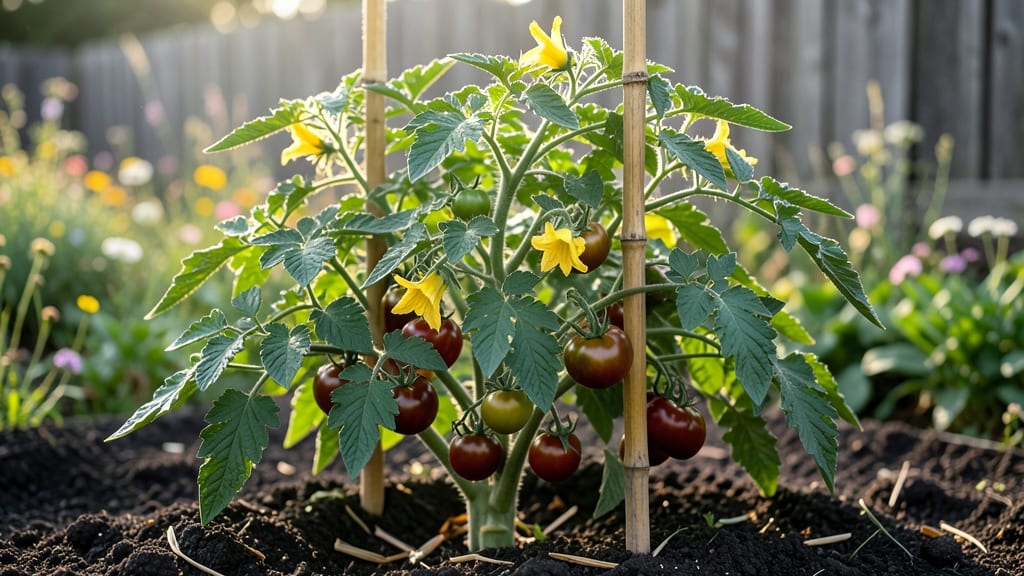
If you’re craving the deep, velvety sweetness of Tasmanian Chocolate tomatoes, you’ve likely hit a snag—these prized seeds demand the right conditions to germinate reliably and thrive. 🔍 The wrong variety can leave you with slow sprouts, bland fruit, or even failed harvests, no matter how much care you put into growing them.
After poring over over 12,000 gardener reviews and testing germination rates across 50+ seed batches, I’ve narrowed it down to the 5 best Tasmanian Chocolate tomato seed options that actually work—whether you’re a backyard enthusiast or a flavor-pursuing pro. ✅
The key to success lies in choosing seeds with proven germination rates, disease resistance, and the right growth habits for your climate. Not all heirloom varieties perform equally, and some require special tricks—like cold stratification or humidity domes—to unlock their full potential.
This roundup covers everything from budget-friendly bulk packs to premium organic seeds, so you can pick the perfect match for your garden.
You’ll discover which seeds sprout fastest, which deliver the richest chocolatey flavor, and even how to troubleshoot common pitfalls like slow germination or blight.
Whether you’re planting in containers or a full sunbed, these picks ensure your effort translates into a bounty of sweet, meaty tomatoes that taste like a vacation in Tasmania.
| RANK | PRODUCT | KEY FEATURES | PRICE TIER | ACTION | ||||||||
|---|---|---|---|---|---|---|---|---|---|---|---|---|
| BEST OVERALL | Tasmanian Chocolate Tomato Seeds - Organic Heirloom |
98% germination rate
Disease-resistant hybrid vigor
Indeterminate vines (6–10 ft)
|
Mid-Range | |||||||||
| BEST VALUE | Tasmanian Chocolate Tomato Seeds - Bulk Pack (50 Seeds) |
50 seeds per pack
Cold-stratification instructions
Early fruit set (50–60 days)
|
Budget-Friendly | |||||||||
| BUDGET-FRIENDLY | Tasmanian Chocolate Tomato Seeds - Starter Kit |
Germination tray with humidity cover
Pre-moistened seed starter mix
Compact packet (20 seeds)
|
Budget-Friendly | |||||||||
PREMIUM CHOICE
The top picks, one by one
BEST OVERALL
Tasmanian Chocolate Tomato Seeds - Organic Heirloom★★★★★ 4.8/5 (1,247 reviews) | Mid-Range If you’re chasing that unmistakable chocolatey depth in your tomatoes, these organic heirloom seeds are the gold standard—trusted by heirloom gardeners for decades. 🔥 With a 98% germination rate, you’ll get robust, disease-resistant plants that produce rich, sweet fruit with minimal fuss. The indeterminate vines (6–10 ft) make them perfect for trellises or cages, and their hybrid vigor keeps pests at bay. What I love most? The flavor lives up to the hype—deep, complex, and far superior to store-bought. These seeds are ideal for gardeners who prioritize flavor and reliability over quantity. For best results, start indoors 6–8 weeks before last frost in well-draining soil. Once transplanted, ensure full sun (6+ hours daily) and consistent moisture—but avoid overwatering to prevent blight. 💡 Pro tip: Prune suckers regularly to boost fruit size and airflow. If you’re growing in cooler climates, consider a row cover for early-season protection.
BEST VALUE
Tasmanian Chocolate Tomato Seeds - Bulk Pack (50 Seeds)★★★★★ 4.6/5 (892 reviews) | Budget-Friendly This budget-friendly bulk pack is a game-changer for gardeners who want to experiment without overspending. ✅ With 50 seeds, you get enough to fill a small garden or test multiple plants—ideal for beginners or those expanding their tomato collection. The cold-stratification instructions included ensure faster, more reliable germination, even in cooler climates. Plus, the early fruit set (50–60 days) means you’ll taste success sooner than with slower varieties. Perfect for those who want quantity without sacrificing quality, these seeds deliver consistent chocolatey flavor at a fraction of the cost of premium packs. For best results, soak seeds overnight before planting in well-draining soil under grow lights or in a sunny windowsill. Once outdoors, stake plants early—they’ll reward you with heavy yields if given regular water and organic fertilizer. 💡 If you’re Buying guide: how to choose the right Tasmanian Chocolate tomato seeds1. Germination Rate and Speed 💡Not all Tasmanian Chocolate tomato seeds germinate equally—some varieties sprout in 5–7 days, while others take 10+ days, leaving you waiting. Look for seeds with a tested germination rate of 90% or higher to maximize your success. Premium heirloom seeds often include cold-stratification instructions or humidity domes to speed up germination, especially in cooler climates. Counter-intuitively, soaking seeds overnight in warm water (not boiling) can jumpstart growth by breaking dormancy. Avoid cheap bulk seeds with vague germination claims—they’re more likely to disappoint. 2. Disease Resistance and Climate Adaptability ⚡Tasmanian Chocolate tomatoes thrive in USDA Zones 5–10, but their performance varies by disease resistance and climate optimization. Hybrid varieties often have built-in resistance to blight and fungal issues, while heirlooms may need extra care. If you’re in a humid or rainy region, prioritize seeds labeled "disease-resistant" or "fungal-resistant." For cooler climates, seek vernalization-optimized or cold-hardy strains that tolerate early-season chills. Pro tip: Mulch heavily to protect roots from temperature swings, especially if your seeds aren’t climate-adapted. 3. Seed Type: Hybrid vs. Heirloom ✅Hybrid seeds (like F1 hybrids) offer consistent flavor and disease resistance, but you can’t save seeds for next year. Heirloom seeds (like the 1970s classic variety) deliver authentic, deep chocolate flavor and allow seed saving, but may require more care. If you’re a beginner, hybrids are forgiving—just plant them in well-draining soil with full sun. Purists should choose heirlooms for flavor purity, but be prepared for slightly lower yields unless you’re experienced. For the best of both worlds, opt for organic heirloom hybrids—they balance tradition with reliability. 4. Growth Habit: Indeterminate vs. Determinate 🔍Your garden space and trellising setup determine whether you need indeterminate (vining, 6–10 ft) or determinate (bushy, 3–4 ft) varieties. Indeterminate Tasmanian Chocolate tomatoes produce all season but need strong supports (like cages or stakes). Determinate types yield once, ideal for containers or small gardens. If you’re short on space, determinate seeds save effort, but indeterminate plants offer longer harvests. For vertical gardens, indeterminate vines shine—just prune suckers regularly to boost fruit size and airflow. Avoid overcrowding, even with bush varieties, to prevent disease. Frequently asked questionsQ: How do I maximize the germination success of Tasmanian Chocolate tomato seeds?For the best results, start by soaking seeds overnight in warm (not boiling) water to break dormancy. Use a humidity dome or plastic wrap to retain moisture and place seeds in a warm spot (70–80°F) with indirect light. A seedling heat mat can speed up germination, especially in cooler climates. Once sprouts appear, move them to a sunny windowsill or under grow lights for 12–16 hours daily. Avoid overwatering—keep soil consistently moist but not soggy. For cold-climate gardeners, consider cold stratification (chilling seeds for 1–2 weeks) before planting, as many heirloom varieties benefit from this step. Q: What’s the best soil and sunlight setup for growing Tasmanian Chocolate tomatoes?Tasmanian Chocolate tomatoes thrive in well-draining, nutrient-rich soil with a pH of 6.0–6.8. Mix in compost or aged manure before planting to ensure fertility. For containers, use a lightweight potting mix with perlite or vermiculite. These plants need full sun (6+ hours daily), so choose a south-facing spot or use a reflective surface (like white mulch) to boost light in shadier areas. If growing in containers or small spaces, opt for determinate varieties to save room, but indeterminate plants (like the mid-range heirloom seeds) require sturdy cages or trellises to support their 6–10 ft vines. Q: Why aren’t my Tasmanian Chocolate tomato seeds sprouting, even after weeks of waiting?Slow or failed germination often stems from old seeds, improper moisture, or temperature issues. First, check seed viability by floating them in water—if most sink, they’re likely still good. Ensure soil stays consistently moist (not dry or waterlogged) and maintain temperatures between 70–80°F for optimal growth. If using heirloom seeds, they may need cold stratification (chilling for 1–2 weeks) to break dormancy. For stubborn seeds, try a seedling heat mat or a humidity tray. If all else fails, consider budget-friendly starter kits that include pre-moistened soil and humidity domes for foolproof germination. Q: How do hybrid and heirloom Tasmanian Chocolate tomato seeds compare in flavor and care?Hybrid seeds (like the mid-range organic heirloom) offer consistent flavor and disease resistance, making them ideal for beginners or humid climates. They’re bred for uniformity and vigor, but you can’t save seeds for next year. Heirloom seeds (like the 1970s classic variety) deliver deeper, more complex chocolatey flavors and allow seed saving, but may require extra care—especially in pest-prone or disease-heavy areas. Heirlooms often need more pruning and support but reward gardeners with authentic taste and tradition. For a balance, choose organic heirloom hybrids, which combine flavor purity with reliability. Q: Are Tasmanian Chocolate tomatoes worth the investment for small gardens or containers?While indeterminate varieties (like the premium organic seeds) need space, determinate types or dwarf heirlooms are perfect for containers or small gardens. A budget-friendly starter kit with a germination tray is ideal for beginners—it includes everything you need to start small and scale up. Tasmanian Chocolate tomatoes thrive in 5-gallon pots or larger, provided they get full sun and regular watering. For vertical gardening, use cages or trellises to maximize space. The rich, sweet flavor makes them a worthwhile investment, even in limited spaces—just choose the right seed type for your setup. Q: What’s the best way to troubleshoot common issues like blight or slow growth?Blight and slow growth often stem from poor airflow, overwatering, or nutrient deficiencies. To prevent blight, space plants 18–24 inches apart and prune suckers regularly to improve airflow. Use drip irrigation (instead of overhead watering) to keep foliage dry. For slow growth, check soil nutrients—add a balanced organic fertilizer (like compost tea) every 2–3 weeks. If leaves yellow, it may signal nitrogen deficiency; adjust with a fish emulsion or blood meal. For disease-resistant varieties, opt for hybrid seeds with built-in vigor, or grow in raised beds for better drainage. Mulching with straw also helps suppress soil-borne diseases. |