
Plants
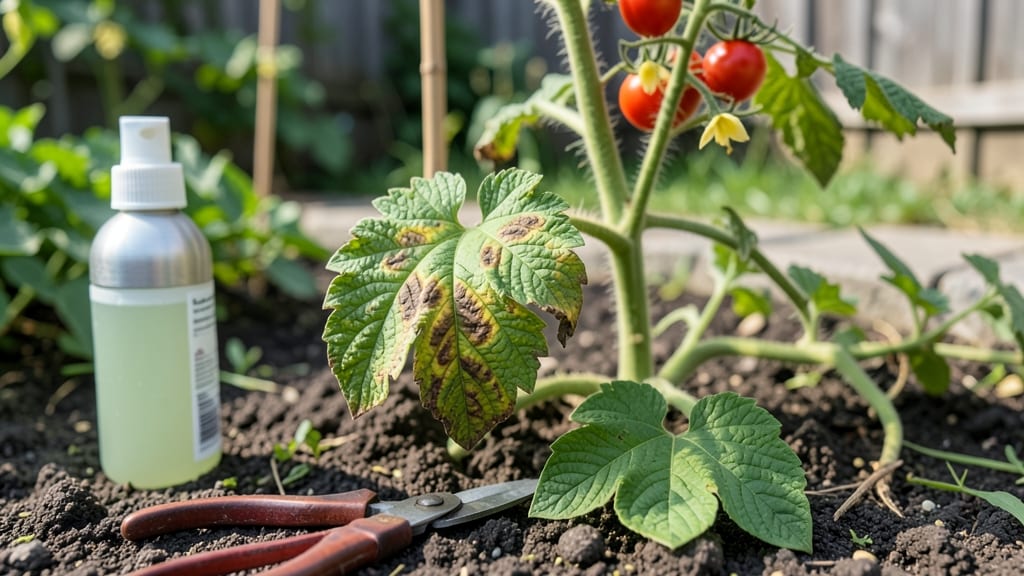
Early blight turns your tomato plants into sad, spotted messes—unless you catch it early. 🌱 I’ve lost entire harvests to those ugly brown spots, but now I’ve got the preventative spray that stops them cold before they ruin your plants.
The key is acting fast: remove infected leaves, space plants properly, and apply a copper-based spray at the first sign of trouble. Most gardeners wait too long, thinking it’s just weather damage. It’s not—it’s a fungus, and it spreads like wildfire in hot, humid weather.
With the right mix of prevention and treatment, you’ll keep your tomatoes thriving all season. The spray works best when applied in the morning, and I’ll show you exactly how to do it without harming your plants or the environment.
This isn’t just about saving a few leaves—it’s about keeping your garden productive and your tomatoes tasting fresh from vine to plate. Let’s get those plants back in fighting shape!
The Hidden Triggers Behind Spots
Early blight in tomato plants isn’t just bad luck—it’s a mix of sneaky fungal invaders, environmental conditions, and even gardening habits that create the perfect storm for trouble. Understanding these causes is your first line of defense. Here’s why your tomato plants might be developing those telltale brown spots:
Early blight is caused by two closely related fungi: Alternaria solani (the primary culprit) and Alternaria tomatophila. These fungi thrive in warm, humid conditions and can survive for years in soil, plant debris, or even infected seeds. Here’s how they strike:
- Overwintering Spores: Fungal spores can hibernate in old plant debris, compost, or even the soil itself.
When conditions warm up, they germinate and spread to new plants. - Wind and Water Spread: Spores hitch rides on wind or rain splashes, landing on lower leaves where they infect the plant through tiny wounds or natural openings like stomata (leaf pores). - Fast Reproduction: Once established, these fungi reproduce rapidly, creating new spores that spread upward—eventually reaching fruits if left unchecked.
💡 Pro Tip: Rotate crops yearly and remove infected plant debris to starve these fungi of their favorite hiding spots!
Early blight loves heat and moisture—think of it as the fungi’s ideal vacation spot. Here’s why your climate might be inviting trouble:
- Daytime Heat (75–90°F): Fungal spores germinate fastest in these temperatures, making late summer a high-risk period. - Nighttime Dew or High Humidity: Moisture lingers on leaves overnight, giving spores the perfect environment to infect plant tissues. - Poor Air Circulation: Crowded plants or dense foliage trap humidity, creating a fungal paradise.
Open spacing and pruning can help.
🌡️ Watch Out: If your forecast predicts warm days followed by humid nights, your tomatoes are in the danger zone!
Stressed or unhealthy tomato plants are like open invitations to fungal invaders. Common stressors include:
- Overwatering or Poor Drainage: Soggy soil weakens roots, making plants more susceptible to infection. Ensure pots or garden beds have drainage holes and avoid waterlogging. - Nutrient Deficiencies: Lack of key nutrients (like potassium or nitrogen) can stunt growth, leaving plants vulnerable.
Use a balanced fertilizer to keep them strong. - Physical Damage: Rough handling, hail, or even insect bites create entry points for spores. Handle plants gently and protect them from extreme weather.
💪 Boost Their Immunity: Healthy plants fight off early blight better. Mulch with straw to regulate soil moisture and improve root health!
Fungal spores can hitch a ride on gardening tools, gloves, or even your shoes. Here’s how to avoid accidental spread:
- Dirty Pruners or Shovels: Spores cling to tools and transfer to healthy plants when you prune or till.
- Unwashed Hands: Picking tomatoes or handling plants without washing up can spread spores from infected to healthy areas.
- Reused Containers: If you repurpose pots or trays without cleaning them, lingering spores can infect new seedlings.
🧼 Clean Up: Sterilize tools with a 10% bleach solution (1 part bleach to 9 parts water) or rubbing alcohol between uses!
If early blight has struck before, the fungi might still be lurking in your soil. Here’s how to check and act:
- Past Infestations: If you’ve grown tomatoes, peppers, or potatoes in the same spot before, spores could still be present.
- Compost or Manure: Improperly composted plant material can harbor fungal spores, so avoid using it near your tomatoes.
- Seedborne Spores: Some seeds carry the fungus, so source seeds from reputable suppliers or treat them with a fungicide if needed.
✨ Refresh Your Soil: Mix in fresh compost or use raised beds with sterilized soil to break the fungal cycle!
How to Treat and Stop Leaf Spots
Early blight may feel like a losing battle, but with the right approach, you can save your tomato plants—and even prevent future outbreaks. The key is acting fast, combining cultural fixes, organic sprays, and preventative habits to break the disease cycle.
Below, we’ll map the most common causes to the best solutions, so you can tackle the problem at its root.
Cause: Alternaria solani spores thrive in warm, humid conditions and spread via water splashes or wind. Solution: Copper fungicides (like copper sulfate or copper hydroxide) disrupt the fungus’s cell walls and prevent spore germination.
How to Apply: 🍳 Mix it right: Follow label instructions—typically 1 tbsp per gallon of water for copper sulfate (or as directed for other forms). 👨🍳 Spray at dawn or dusk (avoid midday heat, which can burn leaves). 🥘 Cover all surfaces: Focus on undersides of leaves, stems, and fruit stems (where spores hide). ⏰ Repeat every 7–10 days or after heavy rain (copper washes off with water).
Pro Tip: 💡 Rotate with other fungicides (like neem oil or potassium bicarbonate) to avoid resistance. Never use copper on edible parts 1–5 days before harvest (check label).
Cause: Crowded plants + overhead watering = perfect conditions for spores to latch on. Solution: Adjust your garden setup to reduce humidity and keep foliage dry.
Quick Fixes:
- Prune aggressively: Remove lower leaves (within 12 inches of the ground) and yellowing leaves—they’re fungus hotspots.
- Space plants 18–24 inches apart (or stake them vertically for better airflow).
- Water at the base only: Use drip irrigation or a soaker hose—never overhead. Water early in the day so leaves dry by night.
- Mulch properly: Use straw or grass clippings (not wood chips, which trap moisture) to keep soil dry.
Pro Tip: ✨ Add a fan near your plants (on low setting) to mimic wind and dry leaves faster—this works surprisingly well in greenhouses!
Cause: Early blight spores survive in soil for years, reinfecting the same spot. Solution: Rotate crops and sterilize soil to break the cycle.
Action Steps:
- Avoid planting tomatoes, potatoes, or peppers in the same spot for 3–4 years.
- Solarize the soil (cover with clear plastic for 4–6 weeks in summer to kill spores).
- Plant resistant varieties next season (e.g., ‘Mountain Merit’, ‘Defiant PhR’, or ‘Bush Early Girl’).
Pro Tip: 🎯 Interplant with garlic or marigolds—they repel fungi and pests naturally!
Cause: Dead leaves and stems hold spores that reinfect plants. Solution: Clean up thoroughly at the end of the season.
How to Do It:
- Pull up and destroy all infected plants (don’t compost them—burn or trash instead).
- Sterilize tools with rubbing alcohol or a 10% bleach solution between uses.
- Rake and remove all plant debris from the soil surface.
Pro Tip: 🔥 Disinfect your greenhouse or raised beds with a 3% hydrogen peroxide spray (1:3 ratio with water) if early blight was severe.
Cause: Weak plants are more susceptible to infections. Solution: Strengthen tomatoes with nutrient-rich soil and natural boosters.
What to Do:
- Fertilize with compost or balanced organic fertilizer (high in phosphorus for roots).
- Side-dress with banana peels (for potassium, which strengthens cell walls).
- Spray with neem oil or baking soda mix (1 tsp baking soda + 1 quart water + a drop of dish soap) weekly as a preventative.
Pro Tip: 💪 Add mycorrhizal fungi to your soil—these beneficial microbes enhance root health and disease resistance.
Final Reminder: The best defense is prevention—start with healthy soil, proper spacing, and regular copper sprays before symptoms appear. Once you’ve treated an outbreak, stay vigilant and adjust your garden routine to keep early blight from returning!
Frequently asked questions
What do early blight spots look like on tomato leaves?
Early blight starts with small, brown or tan concentric rings on lower leaves (like bullseyes). As it spreads, spots turn yellow around the edges and may develop grayish centers. Look for these signs on older leaves first—they’re the fungus’s favorite entry points!
Can I still eat tomatoes if my plant has early blight?
Yes, but only if the fruit itself shows no signs of infection. Remove heavily spotted leaves (especially near fruit stems) and harvest tomatoes as soon as they ripen. The fungus rarely spreads to fruit, but always wash produce thoroughly before eating.
How often should I spray copper fungicide for prevention?
Apply copper spray every 7-10 days during warm, humid weather or after rain. For prevention, start spraying when plants are 6-8 inches tall and continue until harvest. Always spray in the early morning to avoid leaf burn from midday sun.
Will removing infected leaves really stop early blight?
Removing infected leaves reduces spore production by 90%. Prune with clean tools and dispose of infected plant material in the trash (not compost). Focus on lower leaves first—they’re the main infection source for upward spread.
Are there tomato varieties that resist early blight?
Yes! Look for varieties labeled "early blight resistant" like 'Mountain Merit', 'Defiant PhR', or 'Bush Early Girl'. These hybrids have genetic resistance, but they still need good airflow and proper care to perform at their best. Resistant varieties work best when combined with preventative sprays.