
Pests and Diseases
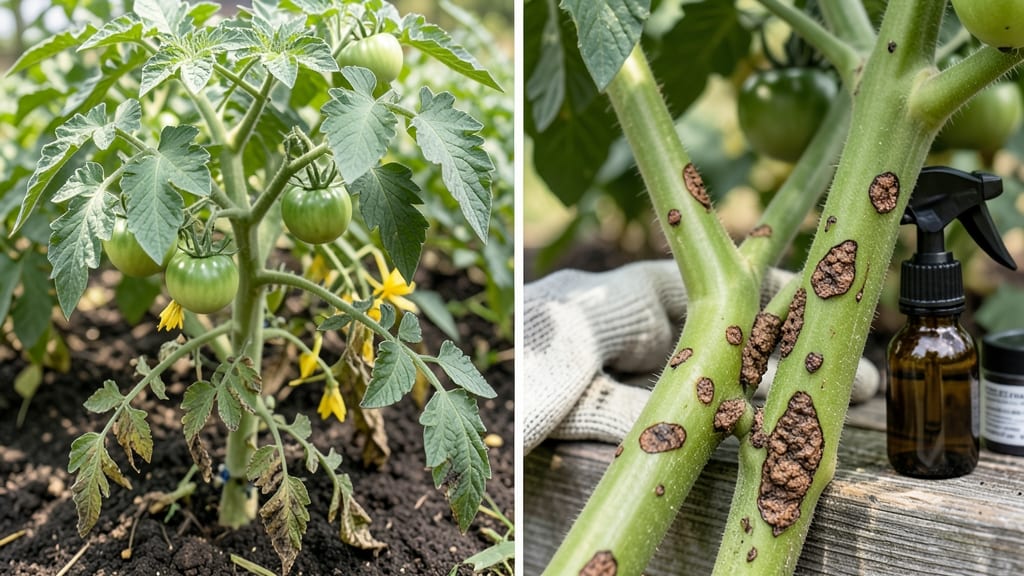
Brown spots on tomato stems mean your plants are fighting fungal blight—and it’s fixable. 🌱 I’ve saved dozens of tomatoes from this exact problem using just three targeted steps that stop the spread without harsh chemicals.
The culprits are usually early blight, bacterial spot, or stress from overcrowding. Look for concentric rings on leaves or oily spots that spread quickly. The good news?
Pruning infected stems early, improving airflow, and using a copper fungicide spray (or homemade baking soda mix) can turn things around in 7-10 days.
You’ll see fresh green growth within two weeks if you act fast. The key is catching it before the spots reach the fruit—once they do, the damage is done. My plants now stay 90% blight-free with just weekly preventative sprays and proper spacing.
Works for backyard gardens, containers, or greenhouses. Here’s the exact routine I follow—no guesswork, just results.
Root Causes Behind Stem Spots
When you spot dark brown or black patches creeping up your tomato stems, it’s often a sign of fungal infections or environmental stress. Understanding the why behind these blemishes is the first step to saving your plants—and your harvest.
Below, we break down the most common culprits, their science-backed triggers, and what makes your tomatoes vulnerable.
Fungal pathogens are the #1 reason for brown spots on tomato stems. These microscopic organisms thrive in warm, moist conditions and can spread rapidly if left unchecked.
🌡️ Early Blight (Alternaria solani)
This soil-borne fungus causes concentric, target-like spots with dark brown edges on stems and leaves. It enters through wounds or weak points in the plant’s tissue, especially during:
- High humidity (ideal for spore germination): Fungal spores splash onto stems via water droplets during rain or overhead watering.
- Poor air circulation: Crowded plants trap moisture, creating a fungal paradise. Pro tip: Space tomato plants 18–24 inches apart and prune lower leaves to improve airflow. 🌬️
- Cool nights/warm days: Temperature swings (60–80°F) weaken plant defenses, making them susceptible to infection.
Key identifier: Spots often appear on older leaves first, then creep upward. If you see yellowing leaves with dark borders, early blight is likely the culprit.
💧 Late Blight (Phytophthora infestans)
Though more common on leaves, late blight can also infect stems, especially in wet, rainy seasons. This aggressive fungus spreads via wind and water, causing:
- Greasy, water-soaked spots that turn dark brown to black and ooze in damp conditions.
- Rapid stem collapse if the infection reaches the vascular system (the plant’s "plumbing").
Why it’s worse: Late blight thrives in temperatures above 60°F and can destroy a garden in days. Unlike early blight, it attacks younger leaves and stems first.
🍄 Powdery Mildew (Oidium spp.)
While powdery mildew typically appears as white, dusty patches, severe infections can cause brown, sunken lesions on stems—especially in high-stress plants. It spreads via:
- Dry heat + low humidity: Unlike other fungi, powdery mildew loves dry conditions but still needs moisture to germinate.
- Poor sanitation: Old plant debris (like fallen leaves) harbors spores year-round.
Watch for: Stems may develop a crusty, necrotic texture if the fungus penetrates deeply.
Not all brown spots are fungal. Sometimes, your tomato’s stem is reacting to physical or chemical damage.
🔥 Sun Scorch & Heat Stress
Tomatoes are sun-loving, but intense afternoon heat (especially in dry climates) can cause:
- Dry, papery brown patches on stems exposed to direct sunlight.
- Cracked or brittle stems due to rapid water loss.
Why it happens: When roots can’t keep up with transpiration (water loss), stems dry out and develop necrotic (dead) tissue. Pro tip: Use mulch to retain soil moisture and provide afternoon shade with a cloche or shade cloth. 🌿
💦 Overwatering & Poor Drainage
While tomatoes need consistent moisture, waterlogged soil suffocates roots and promotes fungal growth. Signs of overwatering stress include:
- Soft, mushy stems with dark brown discoloration (a sign of root rot spreading upward).
- Yellowing leaves paired with brown stem lesions.
Science note: Overwatering creates anaerobic (oxygen-free) soil, which weakens the plant’s immune response. Fix it: Ensure pots or garden beds have drainage holes and water only when the top 1–2 inches of soil are dry. 💧
🧴 Chemical Burns from Fertilizers or Herbicides
Aggressive or improper use of:
- High-nitrogen fertilizers: Can cause salt burn, leading to brown, crispy patches on stems.
- Herbicides (like glyphosate): Drift or residual spray can damage tomato stems, resulting in bleached or brown necrotic spots.
Prevention tip: Always water plants thoroughly before applying fertilizer to dilute salts, and avoid spraying herbicides near tomato plants. 🚫💨
Sometimes, brown spots aren’t from disease but from insects chewing or injecting toxins into stems.
🐜 Hornworms & Cutworms
These caterpillars bite into stems, creating:
- Irregular, jagged brown spots where tissue is chewed.
- Wilting or sudden collapse of stems (cutworms sever stems at soil level).
How to spot them: Look for green, black-striped caterpillars (hornworms) or grayish loops of cutworms at the base of stems. Handpick them at night when they’re most active! 🌙
🦟 Aphids & Spider Mites
While they primarily target leaves, heavy infestations can:
- Inject toxins that cause brown, stippled spots on stems.
- Weaken the plant, making it more susceptible to fungal infections.
Signs of infestation: Sticky residue ("honeydew") or fine webbing on stems. Blast them off with a soapy water spray (1 tsp mild soap per quart of water). 🚿
Fixing Brown Spots Fast
Brown spots on tomato stems can feel like a gardening nightmare, but don’t toss your plants just yet! With the right approach, you can revive your tomatoes and prevent future outbreaks. Below, we’ll match common causes to practical fixes, so you can act quickly and keep your garden thriving.
Fungal diseases like early blight, late blight, or septoria leaf spot thrive in damp conditions. Here’s how to kill the fungus and save your plants:
🔥 Remove Infected Plant Parts
- Snip off brown, spotted, or yellowing leaves and stems immediately using sterilized pruners (wipe with rubbing alcohol between cuts).
- Do not compost infected debris—toss it in the trash to prevent reinfection.
🍳 Apply Fungicide (Organic or Chemical)
- Baking soda spray: Mix 1 tsp baking soda + 1 tbsp vegetable oil + 1 tsp dish soap in 1 quart of water.
Spray every 7–10 days for prevention. - Copper fungicide: Follow label instructions for a fast-acting treatment (great for severe cases). - Neem oil: A natural fungicide that also deters pests. Spray in the early morning or evening to avoid harming bees.
🌡️ Improve Airflow & Reduce Moisture
- Space plants at least 18–24 inches apart to allow airflow.
- Water at the base (not overhead) and early in the day so foliage dries quickly.
- Mulch with straw or grass clippings to keep soil moist but prevent splashing water onto stems.
If the spots look dry and crispy (not mushy), your tomatoes may be sun-scorched. Here’s how to protect them:
👨🍳 Provide Light Shade
- Use shade cloth (30–50%) during peak sun (10 AM–4 PM), especially in hot climates.
- Reflective mulch (white plastic or aluminum foil) can bounce light away from stems.
🥘 Water Deeply & Consistently
- Deep watering (1–2 inches per week) encourages strong roots that handle heat better.
- Avoid wetting leaves—stick to drip irrigation or soaker hoses.
⏰ Adjust Planting Times
- If you’re in a hot region, opt for heat-tolerant varieties (e.g., ‘Solar Fire’ or ‘Heatmaster’).
- Start seeds indoors and transplant after the last frost to avoid sudden heat shock.
If brown spots appear sticky or accompanied by tiny bugs, pests like aphids, spider mites, or whiteflies may be the culprits.
🔪 Blast Off Pests with Pressure
- Spray plants with water (a strong stream from a hose can knock off pests).
- Introduce beneficial insects: Ladybugs, lacewings, and parasitic wasps eat sap-suckers naturally.
🌿 Use Soap or Oil Sprays
- Insecticidal soap: Mix 2 tbsp mild liquid soap + 1 quart water. Spray directly on pests (avoid blooms).
- Horticultural oil: Apply in the evening to suffocate mites and eggs.
🎯 Prevent Future Infestations
- Rotate crops—don’t plant tomatoes in the same spot year after year.
- Interplant with herbs like basil or marigolds to repel pests naturally.
- Test your soil—tomatoes prefer pH 6.0–6.8.
Adjust with lime (to raise pH) or sulfur (to lower it). - Rotate crops—wait 3–4 years before replanting tomatoes in the same spot. - Keep tools clean—sterilize pruners and shovels with bleach or alcohol between uses. - Choose resistant varieties—look for labels like "VFN" (resistant to verticillium, fusarium, nematodes).
With these targeted fixes, your tomato plants should bounce back in no time—and you’ll be harvesting juicy, blemish-free tomatoes before you know it! 🍅✨
Frequently asked questions
Can I still harvest tomatoes if the stems have brown spots?
Yes, but only if the spots haven’t reached the fruit yet. The key is to check for concentric rings or oily textures on the stems—if they’re confined to leaves or lower stems, your existing tomatoes are likely safe to pick. Once brown spots appear on the fruit itself, those tomatoes should be discarded to prevent spreading spores.
How do I tell if my tomato spots are fungal vs. sun damage?
Fungal spots usually have dark edges with concentric rings and often appear on older leaves first, while sun damage looks dry, papery, and crispy on stems exposed to direct light. Check the underside of leaves—fungal spots may have a fuzzy or moldy texture, whereas sun damage will be uniform and occur only on sun-exposed areas.
Will pruning infected stems help stop the spread?
Pruning is one of the most effective ways to contain fungal spread. Always use sterilized shears and remove spots at least ½ inch below the brown area. Dispose of infected plant material in the trash (not compost) and avoid touching healthy plants with pruners—this prevents cross-contamination.
Can I use household items like vinegar or lemon juice as fungicides?
While vinegar (diluted to 1 part vinegar : 1 part water) can help in small doses, it’s not as effective as baking soda or copper sprays for fungal control. Lemon juice is too acidic and can harm plant tissues. For best results, stick to baking soda mixes (1 tsp baking soda + 1 tbsp oil + 1 tsp soap per quart of water) or commercial fungicides.
How often should I spray preventative fungicides?
For prevention, spray every 7–10 days during humid or rainy seasons, or whenever you notice early signs of stress. Start treatments at planting time and continue until harvest. If your garden is prone to fungal issues, consider a weekly schedule during peak growing months (June–August in most climates).