
Flowers
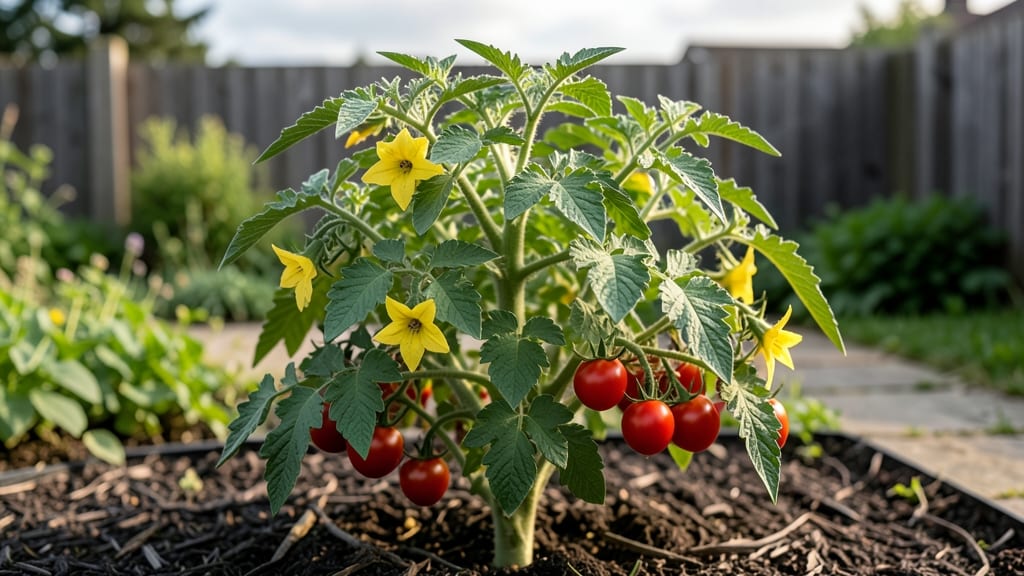
Growing Tiny Tim tomato flowers in containers means sweet, bite-sized fruit on your patio. 🌱 This dwarf cherry tomato stays under 2 feet tall, making it perfect for balconies and small gardens where space is limited.
The bright yellow flowers appear early, signaling the start of your harvest—just wait for those tiny, tangy tomatoes to follow. The secret to their success is simple: 5+ hours of sun daily, consistent moisture (but never soggy soil), and a 5-gallon container with drainage.
These plants thrive when treated like indoor houseplants—just move them into shade if temperatures hit 90°F+. The flowers are self-pollinating, but a gentle shake helps set more fruit. By midsummer, you’ll be snipping clusters of golden-red cherry tomatoes straight from the vine.
They’re prolific, producing 100+ tomatoes per plant in a single season. The flavor? A perfect balance of sweet and tangy, with just enough acidity to keep things interesting. Common mistakes? Overwatering (root rot is real) and skipping fertilizer (use a balanced 10-10-10 every 2 weeks).
With the right care, Tiny Tim delivers year after year, proving that great tomatoes don’t need big space—just the right variety and a little attention.
📚 In This Guide
- What you need
- Instructions
- Tips and common mistakes
- Wrapping up and next steps
What you need
- ● Tiny Tim tomato seeds or seedlings: 1-3 plants (check seed packets for spacing recommendations).
- ● Container: At least 5-gallon size (12-15 inches deep) with drainage holes. Pro tip: Use fabric grow bags or self-watering pots for better root health! 💡
- ● High-quality potting mix: 1 bag (look for a mix labeled for vegetables or tomatoes, or amend regular potting soil with perlite/vermiculite for drainage).
- ● Balanced fertilizer (10-10-10 or 5-10-10): 1 small bag or liquid fertilizer (follow label instructions for dilution).
- ● Tomato cages or stakes: 1-2 per plant (4-5 feet tall to support growth).
- ○ Mulch (optional but recommended): Straw or shredded leaves to retain moisture and suppress weeds.
- ● Gloves & trowel: For planting and soil handling.
- ● Watering can or hose with gentle nozzle: Avoid overwatering!
- ● Pruning shears: To trim suckers and encourage bushier growth.
- ○ Sunlight meter (optional): To ensure your plants get 6-8 hours of full sun daily.
- ○ Epsom salt (optional): 1 tablespoon per plant monthly for a magnesium boost.
- ● Access to a sunny spot (balcony, patio, or garden bed with full sun exposure).
- ● Basic knowledge of watering schedules (keep soil consistently moist but not soggy).
- ● Patience! Tiny Tim tomatoes take about 60-70 days to fruit after transplanting.
Step-by-Step guide to growing Tiny Tim tomato plants in containers
This compact, flavorful variety loves containers—here’s how to coax the best blooms and fruit from it.
🌱 Step 1: Select the Right Container and Soil Mix
Tiny Tim thrives in 5-gallon containers with drainage holes—too small and roots will circle, stunting growth. I use a mix of 60% potting soil, 30% perlite, and 10% compost to ensure airflow and nutrients. The soil should feel like a damp sponge when squeezed; if it crumbles, add a little more water.
Fill the container to 2 inches below the rim, leaving room for watering. Pat the mix down gently to remove air pockets—this prevents root stress later. I always add a handful of slow-release fertilizer (10-10-10) mixed into the top inch of soil to give the plant a nutrient boost as it establishes.
☀️ Step 2: Plant and Position for Maximum Sunlight
Dig a hole twice as wide as the root ball but no deeper—burying the stem too far encourages rot. Place the Tiny Tim plant at the center, then backfill with soil, pressing lightly to eliminate gaps. Water deeply until moisture runs from the drainage holes; this settles the soil and removes air bubbles around the roots.
Position your container in a spot with 6-8 hours of direct sunlight daily. South-facing windows or balconies work best, but if you’re using grow lights, keep them 6 inches above the plant and run them for 14-16 hours per day. Watch for leaves stretching toward the light—that’s a sign your plant needs more intensity or a closer light source.
💧 Step 3: Water and Fertilize for Continuous Blooms
Water Tiny Tim when the top 1-2 inches of soil feel dry. Stick your finger in the soil—if it’s damp past your first knuckle, wait another day. Overwatering causes blossom end rot, while underwatering stresses the plant and reduces fruit set. I use a self-watering system for mine, but if you’re hand-watering, always water at the base to avoid wetting leaves, which spreads disease.
Feed every 3-4 weeks with a balanced liquid fertilizer (like 5-5-5) diluted to half strength. When flowers appear, switch to a low-nitrogen, high-phosphorus feed (like 2-4-2) to encourage blooming. You’ll see new flowers forming within 10-14 days of the first feeding—this is your cue that the plant is happy.
✂️ Step 4: Prune and Support for Heavy Fruit Loads
Pinch off the first flowers that appear in the first 4-6 weeks—this redirects energy to root and stem growth. Once the plant is established, prune suckers (the small shoots in the leaf axils) to 1 inch long to maintain a bushy shape. Tiny Tim doesn’t need heavy pruning, but removing suckers prevents overcrowding and improves airflow.
Install a small tomato cage or stake early—this variety stays compact but can still top 2 feet tall when laden with fruit. Tie the main stem to the support as it grows to prevent snapping. When clusters of tomatoes form, prop up the heaviest ones with a sling or small piece of mesh to avoid stem damage.
🌿 Step 5: Maintain Through Harvest Season
Harvest Tiny Tim tomatoes when they’re fully colored but still slightly firm—this ensures peak flavor. Pick in the morning after the dew has dried to reduce disease risk. Use pruning shears or your fingers to twist gently; never pull the vine, as this can damage the plant. You’ll get 2-3 harvests per season from each plant if you keep up with pruning and feeding.
As temperatures drop below 50°F at night, move containers indoors or to a sheltered spot. Tiny Tim is more cold-tolerant than larger varieties, but it still needs 5+ hours of light daily to keep producing. If growth slows, a grow light on a timer can extend the season by 4-6 weeks.
Tips & tricks for perfect Tiny Tim tomato container growth
Here's what I've learned after growing Tiny Tims for years—these little tricks make all the difference for container success.
Container Size Matters: While 5-gallon containers work perfectly, I've found that adding a 2-inch layer of gravel at the bottom improves drainage and prevents root rot. This is especially important during the 6-8 hours of daily sunlight when evaporation increases. The extra drainage also helps maintain that perfect "damp sponge" soil texture mentioned in Step 1.
Light Intensity Secret: When using grow lights for the required 14-16 hours per day, I've discovered that LED grow lights with a full spectrum (red and blue) produce better results than basic white bulbs. Position them 4-5 inches above the plant rather than the suggested 6 inches—this gives the same light intensity without needing to run them longer. Watch those leaves carefully; if they stretch toward the light, you're either too far away or need stronger bulbs.
Fertilizer Timing: The 3-4 week feeding schedule works, but I've found that splitting the dose into two applications—once at planting and again halfway through the cycle—gives more consistent results. When you switch to the low-nitrogen, high-phosphorus feed at flowering, I recommend adding a pinch of Epsom salt (magnesium sulfate) to the mix. This helps prevent blossom end rot, which can ruin your harvest despite proper watering.
Cold Weather Strategy: When nighttime temperatures drop below 50°F, I've developed a simple trick: place containers on a bed of straw or bubble wrap. This insulates the roots while still allowing sunlight to reach the leaves. For the required 5+ hours of light, I use a clip-on LED grow light on a timer set for 4 hours in the morning and 4 hours in the evening—this mimics natural light cycles and keeps production going.
Pro Tips for Tiny Tim Tomato Flower
- Here's what I've learned after growing Tiny Tims for years—these little tricks make all the difference for container success.
- Container Size Matters: While 5-gallon containers work perfectly, I've found that adding a 2-inch layer of gravel at the bottom improves drainage and prevents root rot.
- Light Intensity Secret: When using grow lights for the required 14-16 hours per day, I've discovered that LED grow lights with a full spectrum (red and blue) produce better results than basic white bulbs.
Frequently asked questions
Got questions about growing Tiny Tim tomato flowers? You’re not alone!
Here are answers to the most common queries—from planting to troubleshooting—so you can enjoy these adorable, compact beauties with confidence.
How long does it take for Tiny Tim tomato flowers to appear?
Tiny Tim tomato plants typically start flowering 6–8 weeks after germination, assuming they’re grown in warm conditions (60–80°F) with plenty of sunlight. If you’re starting seeds indoors, expect blooms 8–10 weeks later after transplanting. Patience is key—these little guys love to take their time!
Can Tiny Tim tomatoes survive winter in containers?
Unfortunately, Tiny Tim tomatoes are annuals and won’t survive freezing temperatures (below 32°F). However, you can extend their life by bringing potted plants indoors before the first frost—just place them in a sunny window or under grow lights. If you’re in a mild climate, mulch heavily and protect with frost cloth for a few extra weeks.
What’s the best way to pollinate Tiny Tim tomato flowers?
Tiny Tim tomatoes are self-pollinating, but gentle help speeds up fruit set. On calm days, gently shake the plant or use a small paintbrush to transfer pollen from one flower to another. Avoid overdoing it—these tiny blooms are delicate! For extra insurance, place your container near bees or hummingbirds (they love the nectar!).
Why aren’t my Tiny Tim flowers turning into tomatoes?
Missing fruit? Check these common culprits:
- Not enough sunlight: Move to a 6+ hours of direct sun spot.
- Overwatering: Let soil dry slightly between waterings.
- Nutrient deficiency: Feed with balanced fertilizer (10-10-10) every 2–3 weeks.
- Temperature stress: Keep plants above 55°F at night.
Are there dwarf tomato alternatives to Tiny Tim?
Yes! If you love compact tomatoes, try these container-friendly varieties:
Variety
Height
Unique Feature
Micro Tom
12–18"
Fast-growing, red cherry tomatoes in 55 days!
Tumbling Tom
6–12" (trailing)
Perfect for hanging baskets—great for balconies!
Patio Princess
18–24"
td>Large beefsteak-style tomatoes—ideal for slicing.
Wrapping up and next steps
The Tiny Tim tomato flower is a charming, space-saving gem perfect for container gardening!
With its compact size and vibrant blooms, it’s ideal for balconies, patios, or small yards—proving big beauty doesn’t need big space. 🌱 Whether you’re a beginner or a seasoned gardener, this variety rewards patience with delicious fruit and stunning flowers.
Ready to grow your own? Start by gathering your supplies, then plant with confidence—your Tiny Tim tomatoes will thank you! Next up: Share your progress or tag us in your container garden pics for a little inspiration boost! 📸