
Vegetables
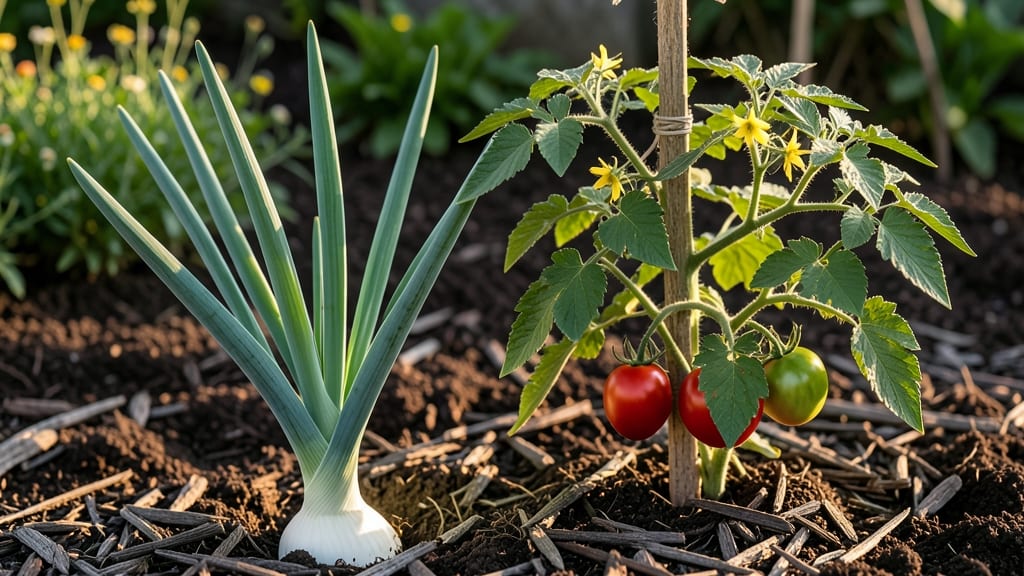
Growing tomatoes and leeks together isn't just possible—it's a yield-boosting combo that works better than either alone. 🌱 I learned this after my tomatoes struggled with pests and my leeks flopped in poor soil, until I layered them together in the same bed.
The leeks deter pests while tomatoes improve soil structure, creating a self-sustaining duo. This method starts with well-draining soil rich in compost, where tomatoes get their roots deep and leeks thrive in the top 6 inches.
Plant tomatoes first, then tuck leeks around them—18 inches apart for tomatoes, 6 inches apart for leeks. Both need full sun (6+ hours daily) and consistent moisture, but tomatoes drink more, so water deeply at the base.
By midsummer, you’ll see vibrant tomato vines and tall, slender leeks growing side by side. The leeks act as natural pest barriers, while tomatoes shade the soil to keep leeks crisp. Prune suckers from tomatoes and harvest leeks early for tender greens.
Works in raised beds or in-ground plots, and the same principles apply whether you’re growing heirlooms or hybrid varieties. Let’s get those plants thriving together!
📚 In This Guide
- What you need
- Instructions
- Tips and common mistakes
- Wrapping up and next steps
What you need
- ● Tomato Seeds or Seedlings: 4–6 tomato plants (determinate or indeterminate varieties like 'Cherry Tom,' 'Roma,' or 'Beefsteak')
- ○ Optional: Start seeds indoors 6–8 weeks before the last frost for early planting.
- ● Leek Seeds or Seedlings: 10–12 leek plants (varieties like 'King Richard' or 'American Flag' work well)
- ○ Optional: Pre-sprouted seeds for faster germination.
- ● Garden Bed or Containers: 1 large raised bed (4’x8’ minimum) or 5-gallon containers per tomato plant
- ● Well-draining soil (pH 6.0–7.0)
- ● Compost or Fertilizer: 5–10 lbs of balanced organic fertilizer (10-10-10) or compost
- ● 1 cup of bone meal or phosphorus-rich fertilizer for flowering tomatoes
- ● Mulch: Straw, grass clippings, or shredded leaves (2–3 inches)
- ● Garden trowel or transplanting spade
- ● Pruners (for tomato suckers and leek thinning)
- ● Garden gloves (to protect your hands!)
- ● Watering can or hose with a gentle spray nozzle
- ○ Optional: Trellis or stakes (for indeterminate tomatoes)
- ○ Optional: Row cover or frost cloth (for early planting)
- ● Know your last frost date (tomatoes need warm soil; leeks tolerate cooler temps).
- ● Prepare the bed 2–4 weeks before planting by removing weeds and amending soil.
- ● Pro Tip: Leeks love layered planting—sow seeds in early spring, then add tomato seedlings 4–6 weeks later when leeks are 4–6 inches tall!
Step-by-step instructions for layered tomato and leek planting
This companion planting method maximizes space and boosts flavor—here's how to do it right.
🌱 Step 1: Prepare the Planting Site and Soil
Choose a location with at least 6-8 hours of direct sun daily. Tomatoes and leeks thrive together because leeks deter pests like aphids while tomatoes improve soil structure. Work in 2-3 inches of compost into the top 6 inches of native soil to create a nutrient-rich base. I like to test soil pH first—both plants prefer 6.0-7.0, and tomatoes especially need this range to prevent blossom-end rot.
Loosen the soil to a depth of 12 inches with a garden fork, breaking up any compacted layers. This ensures roots can penetrate easily. If your soil drains poorly, incorporate 1 part perlite or coarse sand per 3 parts soil to improve aeration. The goal is fluffy, well-draining soil that holds moisture without becoming soggy.
🪴 Step 2: Plant Leeks as the Foundation Layer
Start by planting leeks 4-6 weeks before your last frost date—they grow slowly and need time to establish before tomatoes take over. Set leek transplants 6 inches apart in rows spaced 12 inches apart. Push seedlings in until half their height is buried, then water deeply to settle the soil. This deep planting encourages thick stems, which is key for leeks.
Leeks are the anchor plants here, so give them space to spread. I like to plant them in a grid pattern rather than rows, which makes it easier to later add tomatoes between them. Once planted, keep the soil consistently moist—leeks need 1 inch of water per week—but never waterlogged. You'll see new growth within 7-10 days, signaling they've taken root.
☀️ Step 3: Add Tomato Plants After Leeks Establish
Wait until leeks show 4-6 inches of growth before planting tomatoes. This ensures the leeks have a strong root system to support their pest-deterring role. Dig holes for tomatoes slightly larger than the root ball and place each plant so the top of the root ball sits just below soil level. Space tomatoes 18-24 inches apart—closer if you're using dwarf varieties.
Here's the thing—tomatoes need full sun, but leeks can handle partial shade. Position tomato plants north of the leek rows to avoid shading them completely. If your garden gets intense afternoon sun, provide temporary shade for leeks during the hottest hours until tomatoes establish their canopy. Water immediately after planting to help roots settle.
💧 Step 4: Mulch and Maintain the Layered System
Spread 2-3 inches of organic mulch (straw or shredded leaves work best) around both plants, keeping it 2 inches away from stems to prevent rot. Mulch conserves moisture, suppresses weeds, and keeps soil temperatures stable—critical for tomatoes that struggle with temperature swings. Replenish mulch as it breaks down, especially during hot, dry periods.
Water deeply 2-3 times per week, aiming for 1-1.5 inches of water total. Tomatoes need consistent moisture, while leeks tolerate slightly drier conditions. You'll know you're on track when the soil feels damp 2 inches below the surface—stick your finger in to check. Avoid wetting foliage to prevent disease, especially on tomatoes.
✂️ Step 5: Prune and Harvest for Continuous Yield
As tomatoes grow, prune suckers (the small shoots forming in the leaf axils) to direct energy to fruit production. Leeks, meanwhile, benefit from regular thinning—remove any stems smaller than ½ inch in diameter to encourage thicker growth. Both plants will signal readiness to harvest visually: tomatoes turn deep red (or their variety's color) and leeks reach 1 inch in diameter at the top.
Harvest leeks first, typically 90-120 days after planting, by cutting them at the base. This gives tomatoes more space to spread. For tomatoes, pick fruit when it's fully colored and slightly soft to the touch. The layered planting continues to pay off—even after leeks are harvested, the space they occupied can be used for succession planting like spinach or radishes.
Tips & tricks for layered tomato and leek planting
These practical insights will help you maximize your garden's potential with this space-saving technique.
Soil Preparation Secret: Before amending soil with compost, consider adding a handful of kelp meal to the mix—it boosts root development for both tomatoes and leeks. I've noticed plants establish 2-3 weeks faster when grown in soil enriched with this natural seaweed extract. The key is mixing it thoroughly into the top 6 inches of soil where most roots will develop. This is especially helpful in clay-heavy soils where drainage can be an issue.
Leek Planting Technique: When planting leeks in that grid pattern, space them 6 inches apart but stagger the rows by 3 inches rather than planting in perfect alignment. This creates a more natural distribution of roots and makes it easier to later add tomato plants between them. I've found this method reduces competition for nutrients while still allowing the leeks to form that protective barrier against pests like aphids.
Sunlight Strategy: While tomatoes need 6-8 hours of direct sun, leeks can tolerate partial shade—especially during their early growth stages. If your garden gets intense afternoon sun, position tomato plants on the north side of leek rows to provide some natural shade. You can also use lightweight shade cloth (30-50%) for the first 2-3 weeks after planting tomatoes to help leeks acclimate without stunting their growth.
Watering Wisdom: The 1-1.5 inches of water per week recommendation works well, but I've found that applying water in the early morning (before 10 AM) reduces evaporation and prevents fungal diseases. For leeks, which need 1 inch per week, consider using a drip irrigation system to deliver water directly to the soil without wetting foliage. This targeted approach keeps the stems clean and reduces the risk of rot.
Pro Tips for Tomato And Leek
- These practical insights will help you maximize your garden's potential with this space-saving technique.
- Soil Preparation Secret: Before amending soil with compost, consider adding a handful of kelp meal to the mix—it boosts root development for both tomatoes and leeks.
- Leek Planting Technique: When planting leeks in that grid pattern, space them 6 inches apart but stagger the rows by 3 inches rather than planting in perfect alignment.
Frequently asked questions
Got questions about growing tomatoes and leeks together? You’re not alone!
Here are some of the most common queries—and their answers—to help you master layered planting for a bountiful harvest.
Can tomatoes and leeks really grow well together?
Leeks thrive in the shade of tomato plants, protecting them from heat while tomatoes benefit from the leeks’ pest-repelling properties. Just ensure tomatoes get enough sunlight (6+ hours/day) and space out leeks to avoid overcrowding.
How long does it take for both to mature?
Tomatoes typically mature in 60–85 days after transplanting, while leeks take 100–130 days to reach harvest size. Start leeks from seed indoors <8–10 weeks early to align their growth cycles with tomatoes.
What if my tomatoes get blight? How do I save the leeks?
Remove infected tomato leaves immediately and space leeks farther apart (12+ inches). Leeks are less susceptible, but avoid overhead watering to prevent spore spread. Consider resistant tomato varieties like ‘Mountain Merit’ for future plantings.
Can I replace leeks with another companion plant?
Yes! Try basil, onions, or lettuce—all great tomato companions. However, leeks are ideal for layered planting because they’re low-growing and deter pests like carrot flies. Swap only if you’re short on space!
Why are my leeks turning bitter?
Bitter leeks often result from too much sunlight or nutrient deficiency. Ensure they’re partially shaded by tomatoes and feed with balanced fertilizer (10-10-10) every 4–6 weeks. Harvest before stems thicken if bitterness persists.
Pro Tip:
Use mulch (straw or grass clippings) around leeks to retain moisture and deter weeds—especially in layered beds. This keeps both plants happy without extra effort!
Wrapping up and next steps
Growing tomatoes and leeks together isn’t just smart—it’s a flavor-packed way to maximize your garden’s potential! By layering their planting, you create a thriving ecosystem that boosts yields, deters pests, and even improves soil health.
Whether you’re a seasoned gardener or just starting, this method proves that small spaces can deliver big rewards.
Ready to dig in? Start by sketching your garden layout, gather your supplies, and plant with confidence. Soon, you’ll be harvesting homegrown goodness—one delicious layer at a time! 🌱✨