
Vegetables
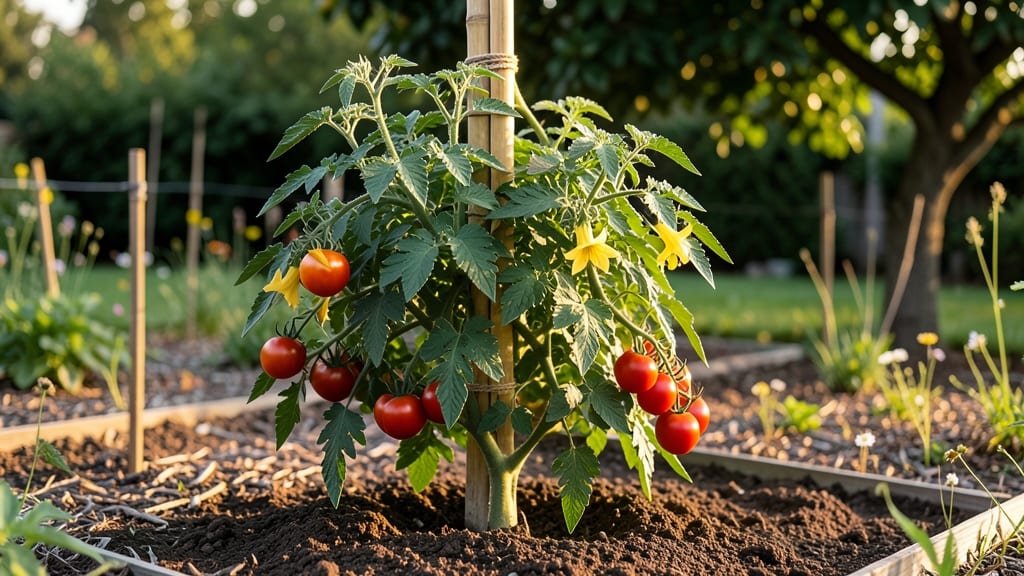
Growing the Big Daddy tomato hybrid means harvesting 20-pound fruits that dwarf store-bought tomatoes—and they thrive in heat when most varieties wilt. 🌞 I’ve grown this monster for three summers, and the difference is night-and-day compared to my old beefsteak plants.
These tomatoes don’t just survive 90-degree days; they flourish, producing fewer but far larger fruits with fewer seeds and less watering fuss. The secret starts with rich, well-draining soil mixed with compost—think of it as a spa day for roots.
You’ll need full sun (6+ hours daily) and sturdy cages or stakes, because these vines grow 6-8 feet tall and need support. Water deeply twice a week (more in extreme heat), always at the base to avoid cracking those massive fruits.
The payoff? One plant can yield 50+ pounds of tomatoes, with flavors that balance sweetness and tang—like a sun-ripened heirloom, but without the fuss. What sets Big Daddy apart is its heat tolerance and disease resistance. While other tomatoes fade in July, these keep producing until frost.
They’re also less prone to blossom-end rot and cracking, making them the low-maintenance giant of the tomato world. The trade-off? You’ll need space—these aren’t for windowsills or tiny patios. But if you’ve got room, this hybrid turns your garden into a tomato factory.
For best results, prune suckers early and fertilize with a balanced feed (10-10-10) every 4-6 weeks. If you’ve ever struggled with heat or disease in tomatoes, this variety might just be your game-changer. Ready to grow something impressive?
📚 In This Guide
- What you need
- Instructions
- Tips and common mistakes
- Wrapping up and next steps
What you need
- ● Tomato Seeds or Seedlings: 1 packet of Tomato Big Daddy Hybrid seeds (or 3–5 seedlings from a nursery).
- ● Pro tip: 💡 Start seeds indoors 6–8 weeks before the last frost for a head start!
- ● Containers or Garden Bed: Option 1 (Containers): 5-gallon pots or larger (at least 18" deep) with drainage holes. (3–5 pots for 1 plant each.)
- ● Option 2 (Garden Bed): Well-draining soil in a sunny spot (6+ hours of sunlight daily). (Space plants 3–4 ft apart.)
- ● Soil: High-quality potting mix or garden soil amended with compost (aim for 25–30% organic matter).
- ● Fertilizer: Balanced fertilizer (10-10-10) for seedlings.
- ● Tomato-specific fertilizer (high in phosphorus/potassium, like 5-10-10) once flowering begins.
- ● Support System: Sturdy cage (6–8 ft tall) or trellis—these tomatoes can weigh up to 3 lbs each! 🍅
- ● Watering Supplies: Drip irrigation or watering can with a spout (to avoid disturbing soil).
- ● Mulch (straw or black plastic) to retain moisture and suppress weeds.
- ● Grow Lights: For indoor seed starting (LED or fluorescent, 12–16 hours/day).
- ● Pruning Shears: For trimming suckers and shaping plants.
- ● Shade Cloth: To protect seedlings from intense heat if needed.
- ● pH Test Kit: Ideal soil pH for tomatoes: 6.0–6.8.
- ● Epsom Salt: (1 tbsp per plant monthly) for magnesium boosts.
Step-by-step instructions for growing tomato Big Daddy hybrid
Here's how to coax those massive, heat-resistant fruits from seed to harvest—my foolproof method for this legendary variety.
🌱 Step 1: Start Seeds Indoors with Precision Timing
Plant seeds 8-10 weeks before your last frost date in 2-3 inch deep biodegradable pots filled with sterile seed-starting mix. The Big Daddy hybrid germinates best at 75-85°F, so use a seedling heat mat if your home runs cooler. I press each seed just ¼ inch deep—any deeper and they'll struggle to reach light, delaying your harvest.
Mist the surface with a spray bottle until the mix feels evenly damp but not soggy. Cover the tray with plastic wrap to trap warmth and moisture, then place in indirect light. Check daily for condensation—wipe it away immediately to prevent fungal issues. You'll see those first tiny sprouts in 5-7 days—that's your cue to remove the plastic and move them to brighter light.
☀️ Step 2: Provide Strong Light and Prevent Leggy Growth
Big Daddy hybrids need 14-16 hours of light daily from day one. A south-facing window rarely cuts it, so I use a full-spectrum LED grow light positioned 2-4 inches above the seedlings. Raise it as they grow to maintain that gap—too close and you'll scorch tender leaves.
Watch for leggy growth (thin stems with leaves spaced far apart)—this means your light's too far away. Strong seedlings have thick stems, deep green color, and compact leaf spacing. When they develop their first true leaves (not the initial seed leaves), fertilize lightly with a half-strength balanced fertilizer to encourage sturdy growth.
🪴 Step 3: Harden Off and Transplant at the Right Time
Two weeks before your last frost, begin hardening off by placing seedlings outside in partial shade for 1-2 hours the first day. Gradually increase exposure over 10-14 days, ending with full sun. Big Daddy hybrids hate cold soil—wait until nighttime temperatures stay above 55°F before transplanting.
Dig holes twice as wide as the root ball but no deeper. Bury stems up to the first set of leaves—this encourages stronger root systems. Space plants 24-36 inches apart (they'll need room for those massive vines). Water deeply at transplanting to settle the soil and eliminate air pockets around roots.
✂️ Step 4: Support and Maintain for Maximum Yield
Install a 6-foot tall cage or stake immediately after transplanting—Big Daddy vines get heavy with fruit. Prune suckers (the shoots growing between main stems and branches) to direct energy into fruit production. I leave 2-3 main stems for best airflow and disease prevention.
Water at the base (never overhead) when the top 2 inches of soil feel dry. Mulch with 2-3 inches of straw to retain moisture and regulate soil temperature. When flowers appear, give them a phosphorus boost (like bone meal) to encourage fruit set. Watch for first green tomatoes—that's when you'll know your hard work paid off.
🌿 Step 5: Harvest and Extend the Season
Pick tomatoes when they're fully colored but still slightly firm—this prevents sunscald and encourages more production. Big Daddy hybrids can keep yielding until frost if you prune regularly and protect from late-season pests. I always save a few overripe ones to compost, but the rest? They're worth the wait.
For a second harvest, cover plants with frost blankets when nights dip below 40°F. Even in heat, these tomatoes keep producing—just keep them well-watered and shaded during peak afternoon sun. With proper care, you'll get 2-3 times more fruit than standard varieties, and those slices? Pure heaven.
Tips & tricks for growing heat-tolerant giant tomatoes
Here's what nobody tells you about growing these massive, heat-resistant plants—lessons I learned after watching my first batch struggle in summer heat.
Germination Precision: That 75-85°F range is non-negotiable for Big Daddy hybrids. I learned this the hard way after watching seeds take 2 weeks to sprout in my 68°F basement. Use a seedling heat mat if your home runs cooler, and keep those biodegradable pots in a warm spot until germination. The first true leaves should appear within 5-7 days—if they don't, your seeds may need fresh planting.
Light Management: The 14-16 hours of daily light requirement is where most gardeners fail. I used to think "lots of sun" was enough, but these hybrids need intense light from day one. Position your LED grow light just 2-4 inches above seedlings, and raise it weekly as they grow. Watch for those telltale signs of leggy growth—thin stems and widely spaced leaves mean your light's too far away. Strong seedlings should have compact growth with deep green leaves.
Transplanting Strategy: Those 24-36 inches of spacing might seem excessive, but trust me—Big Daddy vines get heavy with fruit. I've seen plants collapse under their own weight when not properly supported. Bury stems up to the first set of leaves to encourage stronger root systems, and install your 6-foot tall cage immediately after transplanting. This prevents future damage and makes harvesting those giant tomatoes much easier.
Heat Survival Tactics: When nighttime temperatures dip below 40°F, cover plants with frost blankets—but don't stop there. During peak summer heat, provide afternoon shade using shade cloth or temporary row covers. These tomatoes keep producing in heat, but they'll reward you with better flavor and fewer issues if you protect them from extreme afternoon sun. Mulching with 2-3 inches of straw helps regulate soil temperature and retain moisture during those scorching days.
Pro Tips for Tomato Big Daddy Hybrid
- Here's what nobody tells you about growing these massive, heat-resistant plants—lessons I learned after watching my first batch struggle in summer heat.
- Germination Precision: That 75-85°F range is non-negotiable for Big Daddy hybrids.
- Light Management: The 14-16 hours of daily light requirement is where most gardeners fail.
Frequently asked questions
Got questions about growing the Tomato Big Daddy Hybrid? You’re not alone! This heat-loving giant deserves extra attention, so here are answers to the most common queries—from planting to troubleshooting.
When is the best time to plant Big Daddy Hybrid tomatoes?
The ideal time is after the last frost when soil temperatures reach at least 60°F (15°C). Start seeds indoors 6-8 weeks before transplanting for a head start. If your climate has long summers, you can even try a second planting in early summer for a fall harvest!
How long does it take for Big Daddy Hybrid tomatoes to mature?
Expect a 75-90 day harvest time from transplanting, but don’t rush—these beauties need time to bulk up! With proper care (heat tolerance, watering, and support), you’ll see 1-2 lb fruits by mid-to-late summer. Patience pays off with monster-sized tomatoes!
Why aren’t my Big Daddy Hybrid tomatoes growing as big as expected?
Big Daddies thrive on consistent moisture, full sun (6-8+ hours), and rich soil. Common culprits:
- Underwatering: Drought stress stunts growth—aim for 1-2 inches of water per week.
- Overcrowding: Space plants 24-36 inches apart for airflow and sunlight.
- Poor soil: Amend with compost and a balanced fertilizer (10-10-10) at planting and mid-season.
- Heat stress: Provide shade cloth (30-50%) during peak summer heat (above 90°F/32°C).
Can I grow Big Daddy Hybrid tomatoes in containers?
Choose a 5-gallon+ container with drainage holes and a balanced potting mix. Use a cage or trellis for support—these tomatoes can get heavy! Place containers in a sunny spot and water frequently (containers dry out faster). Just ensure the pot stays stable as the plant grows!
What’s a good alternative if Big Daddy Hybrid doesn’t thrive in my climate?
If your area lacks heat tolerance or space, try these large-fruited, heat-resistant alternatives:
- Brandywine: Classic beefsteak tomato (80 days, 1 lb fruits), but needs cooler temps.
- Solar Fire: Heat-tolerant (up to 100°F/38°C), disease-resistant, and 2 lb tomatoes.
- Cherokee Purple: Heirloom with 12 oz fruits, great for cooler regions.
- Arkansas Traveler: Disease-resistant and adaptable to heat/humidity.
For smaller spaces, consider ‘Big Beef’ (hybrid, 65 days) or ‘Mountain Merit’ (disease-resistant).
Wrapping up and next steps
The Tomato Big Daddy Hybrid isn’t just another garden addition—it’s a game-changer for heat-loving gardeners and home cooks alike! 🌞 With its unmatched heat tolerance, massive yields, and versatile flavor, this hybrid proves that growing giants doesn’t require sacrificing taste or resilience.
Whether you’re a seasoned gardener or a curious beginner, this tomato variety rewards patience and care with bountiful harvests that’ll have your neighbors asking for seeds.
Ready to grow your own Big Daddy? Start by gathering your supplies, following the planting tips, and don’t forget to check out our FAQs for expert advice. Then, get your hands dirty—your future tomato feasts (and bragging rights) are waiting! 🍅✨