
Vegetables
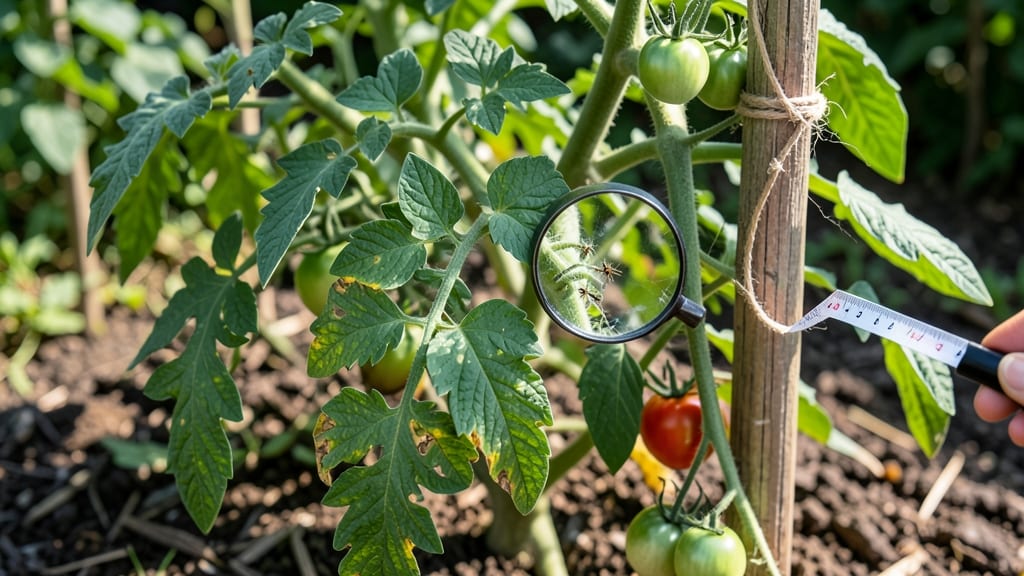
When tomato branches curl down like limp noodles, your plants are screaming for help. 🌱 This isn’t just a weird growth quirk—it’s a sign your tomatoes are struggling to support heavy fruit, fight pests, or recover from stress.
The good news? Pruning and a few targeted fixes can turn those drooping vines into sturdy, productive powerhouses again.
Most of the time, curling happens because the plant is overloaded with fruit, weak from pests like hornworms, or starving for nutrients. I’ve seen vines snap under the weight of a single tomato cluster—so don’t wait until it’s too late.
Start by inspecting the stems for chewed leaves or wilting spots, then prune aggressively to redirect energy to stronger growth.
Within 2-3 weeks of proper pruning and support (like cages or stakes), you’ll notice new, upright shoots forming. The key is balance: remove 1/3 of the lowest leaves to improve airflow, trim suckers that drain energy, and fertilize with a balanced 10-10-10 mix if the soil looks tired.
Your tomatoes will bounce back with bigger, firmer fruit and fewer droopy moments.
Prevention is easier than fixing—mulch to keep roots cool, water deeply but infrequently, and check for pests weekly. If you catch the curling early, you’ll avoid the heartbreak of blight or broken stems. Trust me, your future harvest will thank you.
Why it happens
When your tomato plants start dramatically curling their branches downward—like a sad, overloaded umbrella—it’s usually a cry for help from the plant itself. 🌱😬 Understanding the root causes is the first step to reviving your vines and ensuring a bountiful harvest.
Let’s break down the most common reasons behind this droopy behavior, so you can diagnose and fix the issue like a pro.
🌡️ Extreme Temperature Stress
Tomatoes are heat-loving plants, but they can’t handle extreme conditions—whether it’s scorching heat or sudden cold snaps. When temperatures soar above 90°F (32°C) or drop below 50°F (10°C), the plant’s metabolic processes slow down or shut down. This causes:
- Flaccid stems: Heat stress dehydrates cells, making branches limp and heavy with fruit.
- Poor nutrient uptake: Cold soil reduces root activity, starving the plant of essential minerals.
- Sunburn on leaves: Wilting can worsen as leaves curl and crisp under intense sunlight.
Actionable fix: Provide shade cloth (30-50%) during heatwaves and use row covers for frost protection. Mulch heavily to regulate soil temperature.
💧 Watering Woes: Too Much or Too Little
Water is the lifeblood of tomatoes, but imbalance in moisture levels is a top culprit for drooping branches. Here’s how it happens:
| Issue | Effect on Plant | Fix |
|---|---|---|
| Underwatering | Roots shrink, stems wilt, and leaves curl downward as the plant conserves water. Fruit may also split or crack. | Water deeply 1-2 inches per week (check soil moisture 2 inches down—it should feel damp, not soggy). |
| Overwatering | Soggy soil suffocates roots, leading to root rot. Branches droop as the plant can’t absorb oxygen or nutrients. | Ensure well-draining soil (amend with compost or perlite). Space waterings and avoid wet foliage. |
| Inconsistent Watering | Fluctuating moisture causes blossom end rot and weakens cell structure, making branches sag under fruit weight. | Use drip irrigation or soaker hoses for steady moisture. Water in the morning to reduce evaporation. |
🐛 Pest or Disease Pressure
Hidden invaders can silently drain your tomato’s energy, leaving branches too weak to support themselves. Watch for these sneaky culprits:
- Sap-sucking pests (aphids, whiteflies, spider mites): These pests inject toxins while feeding, causing leaves to curl and stems to weaken. Heavy infestations lead to stunted growth and drooping.
- Fungal infections (early blight, late blight, septoria leaf spot): Fungal spores thrive in humid conditions and clog leaf pores, reducing photosynthesis. Infected leaves yellow, curl, and die, dumping the load onto remaining branches.
- Root-knot nematodes: Microscopic worms burrow into roots, disrupting water and nutrient flow. The plant wilts even when soil is moist.
Actionable fix:
- Inspect undersides of leaves for pests—blast them off with water or use neem oil.
- Remove drooping, yellow, or spotted leaves (don’t compost them!) and sterilize pruners with rubbing alcohol.
- Apply copper fungicide preventatively in humid climates.
- For nematodes, rotate crops and add compost or marigold plants to soil.
🍅 Overloaded with Fruit
When tomato plants produce more fruit than they can structurally support, branches curl downward under the weight—like a backpack overloaded with textbooks. 🎒 This is especially common in:
- Indeterminate varieties (e.g., ‘Sungold’, ‘Brandywine’): These grow continuously and can produce pounds of fruit on a single vine.
- Greenhouse or high-yield conditions: Ideal growing conditions (sun, water, nutrients) can overstimulate flowering and fruiting.
Why it happens: The plant’s vascular system struggles to transport water and nutrients to both growing fruit and new leaves. Heavy clusters cause branches to elongate and droop to distribute weight.
Actionable fix:
- Prune strategically: Remove suckers (shoots between main stem and branches) to redirect energy to existing fruit.
- Thin fruit clusters: Leave 5-7 tomatoes per truss (the larger the variety, the fewer you need). This prevents overburdening.
- Use stakes or cages early: Support vines before they’re laden with fruit to prevent snapping.
🌱 Nutrient Deficiencies or Imbalances
Tomatoes are heavy feeders, and a lack of key nutrients can lead to weak, drooping branches. Here’s what to watch for:
| Nutrient Deficiency | Symptoms | Fix |
|---|---|---|
| Nitrogen (N) | Yellowing leaves (starting with older ones), stunted growth, and weak stems that can’t support fruit. | Apply balanced fertilizer (e.g., 10-10-10) or compost tea. Avoid over-fertilizing later in the season. |
| Potassium (K) | Weak stems, curling leaves with brown edges, and poor fruit development. Plants wilt easily even when hydrated. | Use potassium-rich amendments like wood ash, banana peels, or a fertilizer high in potassium (e.g., 5-10-10). |
| Calcium (Ca) | Blossom end rot (black, sunken spots on fruit) and weak cell walls, causing branches to flop under weight. | Add crushed eggshells, lime, or a calcium nitrate supplement. Keep soil pH between 6.0-6.8. |
| Magnesium (Mg) | Yellowing between leaf veins (interveinal chlorosis) and weak structural support. | Apply Epsom salt
Quick Fixes for Upright Tomato VinesWhen your tomato branches start curling downward like a sad noodle, it’s time to roll up your sleeves and take action. The good news? Most of these issues are fixable with a little pruning, care, and prevention. Below, we’ve broken down the most common causes of drooping tomato branches—and the step-by-step solutions to get your plants back on track. Plus, we’ll share pro tips to keep your vines strong and your harvest bountiful. If your tomato plants are too waterlogged, their branches may weaken and curl under the weight of fruit or excess moisture. Here’s how to fix it:
When tomato branches curl under the weight of a heavy harvest, it’s a sign your plant is struggling to support its own bounty. Here’s how to lighten the load:
Tomato branches may curl downward when they’re too hot, especially in blistering afternoons or during heatwaves. Here’s how to cool them down:
Pests like aphids, spider mites, or fungal diseases (like early blight) can weaken tomato vines, causing branches to droop. Act fast to save your plants:
With these targeted fixes, your tomato vines should perk up in no time. Remember: pruning isn’t just about cutting—it’s about guiding growth. A little maintenance now means heavier, healthier harvests later. Happy gardening! 🍅✂️ Frequently asked questions
1
Why do my tomato branches curl down even when they look healthy?This usually happens when your plant is overloaded with fruit or suffering from hidden stress. Indeterminate varieties (like 'Sungold') produce continuously, and heavy clusters can make branches sag under weight. Check for 5-7 tomatoes per truss—thin extras to lighten the load. Also inspect for pests like hornworms or early signs of disease (yellowing leaves or spots).
2
Can I prune tomato branches that are already curling down?Yes! Pruning helps redirect energy to stronger growth. Remove 1/3 of the lowest leaves to improve airflow, and trim suckers (those little shoots in leaf axils). For overloaded branches, cut back to a strong joint below the drooping section. Use clean shears and sterilize them with rubbing alcohol to prevent disease spread.
3
Will adding more fertilizer fix drooping tomato branches?Not necessarily—over-fertilizing can actually worsen the problem. If your plants are drooping, first check soil moisture and prune excess fruit. For nutrient deficiencies, use a balanced 10-10-10 fertilizer sparingly. Focus on potassium (for stem strength) or calcium (to prevent blossom end rot). Test your soil first to avoid overdoing it.
4
How can I prevent tomato branches from curling in the future?Start with proper support—install cages or stakes early before vines get heavy. Water consistently (1-2 inches per week) and mulch to regulate soil temperature. Prune regularly to remove suckers and thin fruit clusters. For indeterminate varieties, harvest early to encourage more growth. Rotate crops yearly to prevent soil-borne diseases.
5
Is it too late to save my tomato plant if branches are already broken?Not always! If only a few branches are broken, prune them back to healthy growth. For severely damaged plants, focus on saving the remaining healthy stems. If the main stem is compromised, you may need to start fresh—but harvest any ripe tomatoes first. The plant might still produce a smaller harvest if the roots are healthy. |