
How To
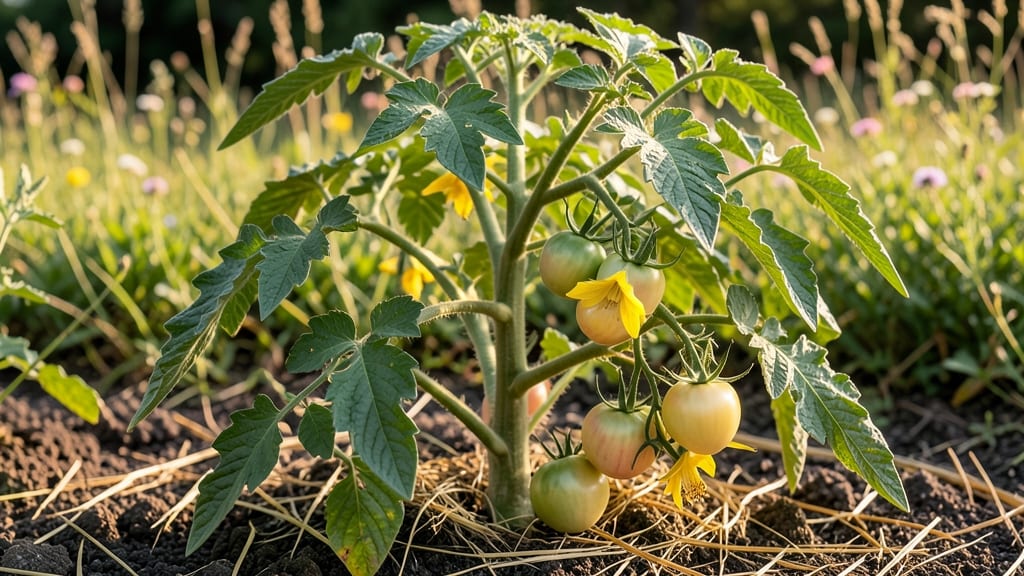
Growing Brandywine Yellow tomatoes means harvesting pound-sized heirlooms that taste like summer in every bite—no fancy tricks required. 🌞 These sun-loving giants thrive with basic care, producing fruit so sweet and rich it’ll make your neighbors ask for cuttings.
The secret? Warm soil, steady water, and a little patience for vines that stretch taller than you are.
Start seeds indoors 8-10 weeks before your last frost, then transplant after nighttime temps stay above 55°F. Amend your soil with compost for those signature golden-yellow fruits, and stake or cage them early—the vines can reach 6-8 feet tall.
Prune suckers weekly to focus energy on fruit, not foliage, and water deeply at the base to avoid cracking those massive tomatoes. By midsummer, you’ll be picking 3-5 pounds of fruit per plant, with flavors so intense they’ll change how you think about tomatoes.
📚 In This Guide
- What you need
- Instructions
- Tips and common mistakes
- Wrapping up and next steps
What you need
- ● Seeds or Seedlings: 1–3 Tomato Brandywine Yellow seeds (or 1–2 seedlings from a reputable nursery).
- ○ Growing Containers or Garden Bed: Containers: 5-gallon pots or larger (minimum 12" diameter) with drainage holes. Optional: Fabric grow bags for extra aeration.
- ● Garden Bed: Well-draining soil in a sunny spot (6+ hours of direct sunlight daily).
- ● Potting Mix: 1 bag (12–18 qt) high-quality organic potting mix with added compost (avoid garden soil—it compacts!).
- ● Fertilizer: Balanced organic fertilizer (e.g., 5-5-5 or 3-4-6) or compost tea for a nutrient boost.
- ● Support System: 1–2 sturdy cages (6' tall) or trellis (these beauties can grow big!).
- ● Tools: Garden trowel, pruning shears, and a watering can (or hose with gentle nozzle).
- ● Mulch (straw or shredded leaves) to retain moisture and deter weeds.
- ● Epsom salt (1 tbsp per plant monthly) for magnesium boosts.
- ● Plant markers to track varieties (because who can resist labeling their tomato babies?).
- ● Shade cloth (for seedlings if temps soar above 90°F).
Step-by-step instructions for growing Brandywine Yellow tomatoes
These sun-loving giants thrive with minimal fuss—just follow my foolproof method.
🌱 Step 1: Start Seeds Indoors 6-8 Weeks Before Last Frost
Fill seed trays with sterile seed-starting mix and plant 2-3 seeds per cell at a depth of ¼ inch. Press gently to ensure good soil contact—this prevents leggy seedlings later. I like to use biodegradable pots so I can transplant without disturbing roots.
Keep the soil consistently moist but not soggy. Place trays on a seedling heat mat set to 75-85°F for faster germination. You'll see sprouts in 7-14 days, though cooler homes may take slightly longer. Once germination begins, remove the heat mat to prevent overgrowth.
☀️ Step 2: Provide Bright Light and Prune for Strength
Brandywines need 14-16 hours of light daily from day one. A south-facing window rarely suffices, so I use a full-spectrum LED grow light positioned 2-4 inches above seedlings. Raise it as plants grow to maintain that distance—this prevents burning.
When seedlings reach 2-3 inches tall, pinch off the lower leaves to encourage a strong stem. This might seem harsh, but it redirects energy to root development. You'll notice thicker stems and fewer weak branches as they mature.
🪴 Step 3: Harden Off and Transplant After All Frost Risk
Two weeks before your last frost date, begin hardening off by placing seedlings outside in partial shade for 1-2 hours daily. Gradually increase exposure over 10-14 days, ending with full sun. This prepares them for the garden without shock.
Transplant after soil reaches 60°F and remains warm. Bury stems ⅔ deep—this encourages strong root systems. Space plants 36-48 inches apart in rows 48 inches apart to accommodate their sprawling habit. Water deeply at planting to eliminate air pockets.
💧 Step 4: Water Deeply and Prune for Airflow
Brandywines need 1-2 inches of water weekly, delivered at soil level to avoid wetting foliage. I use a soaker hose for deep, even moisture—this prevents blossom-end rot and cracking. Mulch with 2-3 inches of straw to retain moisture and suppress weeds.
Prune suckers (the shoots that form in the leaf axils) weekly to focus energy on fruit production. Remove any leaves touching the soil to prevent disease. You'll see fewer but larger tomatoes as the plant matures—this is normal and desirable for heirloom varieties.
✂️ Step 5: Harvest at Peak Ripeness for Maximum Flavor
Pick tomatoes when they're fully colored and slightly soft to the touch. Brandywines ripen unevenly, so check plants every 2-3 days in late summer. Use a sharp knife or twist gently to avoid damaging the vine.
Store ripe tomatoes at 55-60°F to preserve flavor. Unripe ones can finish on the counter but may lose some sweetness. You'll harvest 10-20 pounds per plant with proper care—these giants deliver big rewards with minimal effort.
Tips & tricks for growing Brandywine Yellow tomatoes
Here's what nobody tells you about growing these sun-loving giants—these are the secrets that'll turn your garden into a tomato paradise.
Seed Starting: Don't be tempted to use regular potting soil for your seed trays—sterile seed-starting mix is non-negotiable. Regular soil often contains pathogens that can kill your delicate seedlings before they even sprout. I've lost entire trays this way, and trust me, you don't want that heartbreak. The ¼-inch depth for planting is perfect because it keeps seeds dark enough for germination while preventing them from rotting if overwatered.
Lighting Strategy: Those 14-16 hours of light daily are non-negotiable for Brandywines, especially in early growth stages. I've seen seedlings stretch toward windows like sunflowers when they don't get enough light—this is called "leggy" growth, and it weakens stems that can't support the eventual fruit load. Position your grow light 2-4 inches above seedlings and adjust as they grow. The key is maintaining that distance to prevent burning while ensuring full coverage.
Hardening Off: The 10-14 day hardening off period is where most gardeners make mistakes. I've seen people rush this process, and their seedlings get sunburned or shocked by temperature swings. Start with just 1-2 hours in partial shade, then gradually increase exposure. Watch for wilting—this is your plant's way of saying "slow down." The goal is to let them adapt to outdoor conditions without going into shock.
Transplanting Technique: Burying stems ⅔ deep might seem counterintuitive, but it's a game-changer for Brandywines. This buried portion will develop additional roots, creating a stronger, more stable plant that can support those massive fruits. When you water deeply at planting, you're not just wetting the soil—you're eliminating air pockets that could strangle young roots. Think of it as giving your plant a strong foundation from day one.
Pro Tips for Tomato Brandywine Yellow
- Here's what nobody tells you about growing these sun-loving giants—these are the secrets that'll turn your garden into a tomato paradise.
- Seed Starting: Don't be tempted to use regular potting soil for your seed trays—sterile seed-starting mix is non-negotiable.
- Lighting Strategy: Those 14-16 hours of light daily are non-negotiable for Brandywines, especially in early growth stages.
Frequently asked questions
How long does it take for Brandywine Yellow tomatoes to produce fruit?
These heirloom giants typically take 75–90 days from transplant to harvest, depending on your climate. Start seeds indoors 6–8 weeks before the last frost for a head start. Patience pays off—your first ripe yellow tomatoes will be worth the wait! Pro tip: Use a heat mat if your spring nights are chilly to speed up germination.
Can I grow Brandywine Yellow in containers, or do they need a garden bed?
While they thrive in garden beds, Brandywine Yellows can grow in containers if you choose the right setup. Opt for a 5-gallon pot or larger (at least 18" deep) with a sturdy trellis or cage. Ensure the pot has drainage holes and use a high-quality potting mix rich in compost. Just be ready to water more frequently—containers dry out faster!
Why are my Brandywine Yellow tomatoes cracking, even though I’m watering them?
Cracking is common in large, juicy tomatoes like Brandywine Yellows, often caused by inconsistent watering or heavy rainfall after dry spells. To prevent it:
- Water deeply and consistently (1–2 inches per week).
- Avoid wetting leaves to reduce disease risk.
- Mulch heavily to keep soil moisture stable.
Are Brandywine Yellow tomatoes disease-resistant? What should I watch for?
Unfortunately, Brandywine Yellows are not disease-resistant, so vigilance is key. Keep an eye out for:
- Blight (early/fungal): Remove infected leaves immediately and avoid overhead watering.
- Powdery mildew: Prune for airflow and spray with a baking soda solution (1 tsp baking soda + 1 quart water + a drop of dish soap).
- Blossom end rot: Ensure steady calcium levels (add crushed eggshells or lime to soil).
What’s the best way to store or preserve Brandywine Yellow tomatoes?
These tomatoes are best enjoyed fresh but can be preserved for later:
- Room temp (short-term): Store unwashed in a cool, dry place for 3–5 days.
- Refrigerate: Slowly ripen unripe tomatoes in the fridge, but flavors will dull—best for cooking.
- Preserve: Try slicing for sauces, fermenting into hot sauce, or freezing whole (peeled and blanched). For canning, follow USDA guidelines for acidity.
Wrapping up and next steps
Growing Tomato Brandywine Yellow is a rewarding journey that brings sweet, juicy rewards with minimal fuss—perfect for both beginners and seasoned gardeners! 🌱 These sun-loving giants thrive with simple care, offering bountiful harvests that’ll make your taste buds dance.
Whether you’re planting in containers or your backyard plot, now’s the time to roll up your sleeves and get growing!
Ready to dive in? Start by prepping your soil this week, and soon you’ll be savoring homegrown tomatoes straight from the vine. Happy gardening!