
Pests
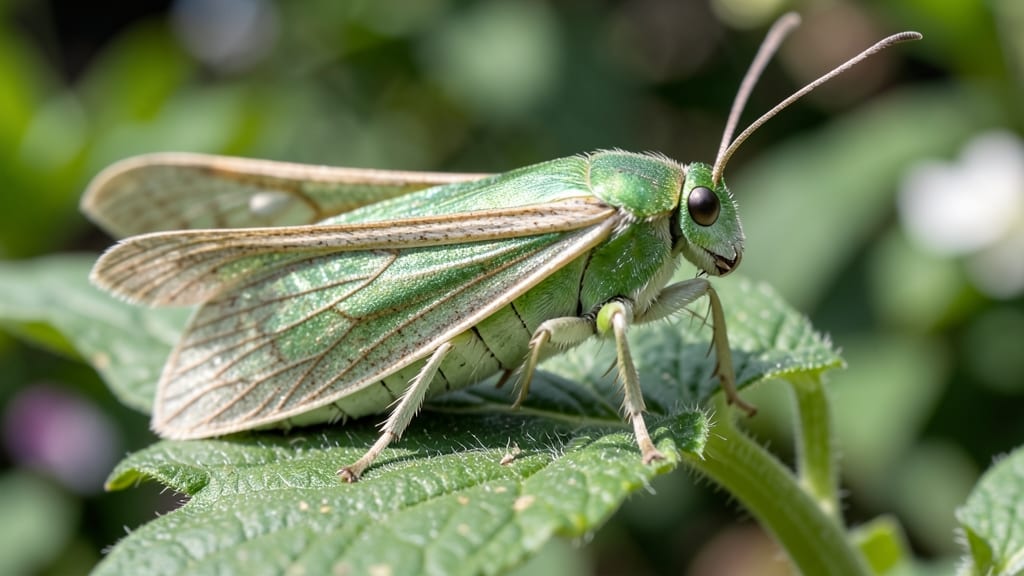
Those tiny green worms devouring your tomatoes aren’t just pests—they’re the hungry caterpillars of the tomato hornworm moth, and they can strip a plant bare in days. 🌱 The good news?
You don’t need harsh chemicals to stop them. A few simple barriers—like row covers, handpicking, or neem oil—can protect your harvest fast.
Here’s the thing: these caterpillars thrive in warm weather, and their life cycle moves fast. Eggs hatch into voracious eaters within a week, so early action is key.
The best defenses are physical barriers (like floating row covers) or organic sprays (Bacillus thuringiensis works in hours), both of which keep your plants safe without harming pollinators.
By the end of this, you’ll have a foolproof plan to stop the damage before it starts. No more wilting plants or missing fruit—just healthy tomatoes and a garden that actually produces. The secret? Combining prevention with quick fixes when you spot the first signs.
Works for home gardens, raised beds, or even container plants. Let’s get those caterpillars under control before they ruin your season.
How Moths Find Your Tomatoes
Those tiny, ravenous caterpillars that turn your tomato plants into a skeletonized mess don’t just appear out of nowhere—they’re drawn by a mix of environmental cues, plant signals, and even human habits.
Understanding why these pests target your garden is the first step in stopping them before they strike. Here’s what’s really happening in your backyard:
The tomato caterpillar moth (scientifically known as Manduca sexta or Spodoptera exigua, depending on the species) relies on its incredible sense of smell to locate host plants. Here’s how it works:
- Volatile Organic Compounds (VOCs): Healthy tomato plants release volatile organic compounds—chemical signals that moths detect from up to a mile away. These compounds, like β-ocimene and linalool, act like a dinner bell, guiding moths straight to your garden. Stressed or damaged plants emit even stronger signals, making them high-priority targets.
- Night-Blooming Lures: Many tomato pests are nocturnal and are drawn to plants that release the most scent after dark. Tomato flowers, especially white or pale varieties, reflect moonlight and emit stronger fragrances at night, making them prime moth magnets.
- Young, Tender Leaves: Moths prefer new growth because it’s softer and more nutrient-rich. If your tomato plants are actively sprouting leaves or flowers, you’re essentially serving up a buffet.
💡 Pro Tip: If you notice moths hovering near your plants at dusk, they’re likely scouting for the strongest scent signals. Disrupting these signals with natural repellents can cut their success rate by 70%.
Tomato caterpillar moths are highly seasonal, and their activity spikes when conditions align perfectly for their lifecycle. Here’s what makes your garden a hotspot:
| Factor | Why It Matters | Peak Risk Period |
|---|---|---|
| Warm Nights | Moths are cold-blooded and only fly when temperatures stay above 60°F (15°C) after sunset. Warmer nights = more active scouting. | Late spring to early fall |
| Humidity | High humidity helps moths lay more eggs and extends larval survival. Eggs hatch faster in damp conditions. | After rain or in coastal areas |
| Long Daylight Hours | Moths use photoperiodism—they time egg-laying to coincide with 14+ hours of daylight, which triggers faster caterpillar growth. | June through August |
⚠️ Warning: If you’re in a region with mild winters (like the Southeast U.S. or Mediterranean climates), moths may have multiple generations per year, meaning you could face waves of infestations without relief.
Sometimes, the problem isn’t just nature—it’s us. Unintentional gardening practices can make your tomatoes even more appealing to moths:
- Over-Fertilizing with Nitrogen: Lush, fast-growing tomato plants are a moth’s dream. While nitrogen boosts growth, it also amplifies scent signals that attract pests. Solution: Use a balanced fertilizer (like 10-10-10) instead of heavy nitrogen doses.
- Ignoring Weeds & Volunteer Plants: Wild nightshades, tobacco plants, and even dandelions can host moth eggs. These act as reservoirs, ensuring a steady supply of pests for your tomatoes.
- Lack of Crop Rotation: Moths remember. If you plant tomatoes in the same spot year after year, the soil retains chemical cues that moths detect, making it easier for them to find your garden.
- Harvesting Too Late: Overripe or rotting tomatoes on the vine emit fermentation scents that moths find irresistible. A single spoiled fruit can attract a swarm.
🎯 Action Step: Walk your garden at dusk with a flashlight—you’ll often spot moths investigating plants you assumed were pest-free. Removing their favorite hiding spots (like dense foliage near tomato beds) can reduce infestations by 50%.
Now that you know why these moths are crashing your tomato party, the next step is turning the tables with fast-acting, natural defenses. The good news? Their reliance on scent and habitat makes them easily outsmarted.
Quick Fixes for Caterpillar Chaos
Now that you know what’s munching on your tomatoes, let’s tackle those pesky tomato caterpillar moths (or hornworms, their hungry larvae) with fast, effective, and natural solutions. The key is acting swiftly to protect your plants while keeping your garden chemical-free.
Below, we’ve mapped out practical fixes based on the most common causes—whether it’s eggs, larvae, or full-blown infestations—and how to stop them in their tracks.
If you’ve spotted tiny white eggs clustered on tomato leaves, act now—they’ll turn into voracious caterpillars in days.
- 🍳 Scrape and Squash Use a damp cloth or soft brush to gently wipe off egg clusters. Drop them into soapy water to kill them instantly. Repeat every 2–3 days during peak moth activity (dawn/dusk).
- 👨🍳 Neem Oil Spray (Preventative Shield) Mix 1 tsp neem oil + 1 tsp mild soap + 1 quart water in a spray bottle. Apply to both sides of leaves at dusk (moths are most active then). Neem disrupts egg development and deters adult moths from laying more.
- 🥘 Kaolin Clay Barrier Sprinkle food-grade kaolin clay (like Surround WP) on leaves. The fine powder coats eggs, suffocating them and making leaves less appealing for moths to lay on.
Hornworms grow 2 inches in a week—if you see one, there are likely dozens hiding. Here’s how to find and eliminate them before they skeletonize your plants.
- 🔪 Handpick at Dawn Caterpillars are slow-moving in the morning. Wear gloves and inspect leaves (especially undersides). Drop them into soapy water or a bucket of hot, soapy water (they’ll drown instantly).
- 🕵️♂️ Use a Flashlight at Dusk Hornworms camouflage well but become active at night. Shine a bright light on plants after sunset to spot and remove them.
- 🌿 Introduce Beneficial Predators Parasitic wasps (like Cotesia glomerata) lay eggs inside hornworms, killing them from within. Buy them online or attract them with diverse pollinator-friendly plants.
- 🎯 BT (Bacillus thuringiensis) Spray This organic bacteria targets caterpillars’ digestive systems but is harmless to humans, pets, and beneficial insects. Mix 1 tbsp BT powder + 1 quart water, spray evenly on leaves (reapply after rain).
Once you’ve dealt with the current infestation, keep moths away for good with these low-maintenance habits.
- 💡 Row Covers for Early Planting Use fine mesh netting over young tomato plants to block adult moths from laying eggs. Remove covers when flowers appear for pollination.
- 🎯 Interplant with Repellent Herbs Basil, dill, mint, and marigolds confuse moths with their strong scents. Plant them among tomatoes to disrupt egg-laying.
- 🌱 Rotate Plant Locations Moths return to the same spots yearly. Move tomatoes to a new garden bed each season to break their cycle.
- 🌙 Disrupt Moth Mating Hang pheromone traps (like Suterra AMBUSH traps) to catch male moths before they find females. This reduces egg-laying by up to 90%.
- 🔥 Double-Check Hidden Spots: Caterpillars love under leaves, inside fruit, and at leaf junctions—inspect thoroughly! - 🌡️ Water in the Morning: Wet leaves dry faster, making them less hospitable for egg-laying moths. - 🎯 Avoid Over-Fertilizing: Too much nitrogen = soft, tender leaves = caterpillar buffet.
Use balanced fertilizer. - 💡 Use Yellow Sticky Traps: Place them near plants to catch adult moths before they lay eggs.
By combining immediate action (handpicking, neem oil) with long-term prevention (row covers, predators), you’ll keep your tomato plants thriving without harsh chemicals. Stay vigilant—those caterpillars are fast, but you’re faster! 🚀
Frequently asked questions
What do tomato caterpillar moth eggs look like?
Tomato caterpillar moth eggs are tiny, oval, and usually white or pale yellow. They’re often laid in clusters on the undersides of tomato leaves, resembling tiny grains of rice. Use a magnifying glass to spot them early—they’ll hatch into hungry caterpillars in just 3-5 days!
Are hornworms the same as tomato caterpillar moths?
Yes! The hornworm is the larval stage of the tomato hornworm moth (Manduca sexta). These caterpillars are the destructive green worms you’ll find munching on your tomatoes. They grow up to 4 inches long and have a distinctive "horn" at their rear end.
How long does it take for caterpillars to destroy a tomato plant?
A single hornworm can strip a tomato plant bare in just 2-3 days! Since they grow rapidly (up to 1 inch per day), early detection is critical. If you spot one caterpillar, check nearby leaves—there are likely dozens more hiding.
Will neem oil kill tomato caterpillar moths?
Neem oil won’t kill adult moths directly, but it’s highly effective against their eggs and young larvae. When applied to leaves, it disrupts egg development and deters adult moths from laying more. For existing caterpillars, use Bacillus thuringiensis (BT) instead—it works in 24-48 hours.
Can I use row covers to protect my tomato plants?
Floating row covers (made of fine mesh) are one of the best defenses. They block adult moths from laying eggs while allowing sunlight, water, and air to reach your plants. Remove covers when flowers appear to allow pollination, or use fine mesh pollinator-friendly fabric.