
Pests
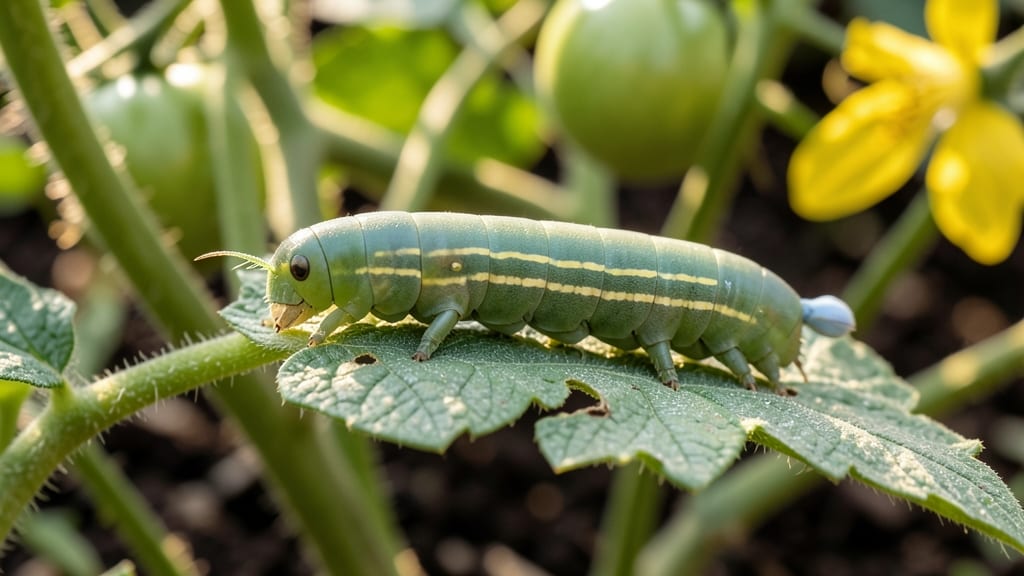
Your tomatoes look like Swiss cheese overnight—that tomato-eating caterpillar and loopers are the culprits. 🌱 I’ve lost entire plants to them, but these organic methods actually stop the damage without chemicals. The key is acting fast before they skeletonize your leaves.
These caterpillars hide under leaves during the day, so check your plants first thing in the morning—that’s when they’re most vulnerable. Handpicking works for small gardens, but for bigger plots, neem oil or Bt spray (a natural bacteria) disrupts their lifecycle without harming bees or butterflies.
Prevention starts with companion planting—marigolds and basil repel them naturally. If you spot eggs (tiny green ovals on stems), scrape them off before they hatch. The goal? Healthy plants that bounce back instead of struggling to recover.
Even if you’ve tried everything, this combo of early detection, organic sprays, and plant allies will turn your garden back into a thriving tomato haven—no more sad, half-eaten fruits. Let’s get those caterpillars under control.
The Hidden Reasons Behind Caterpillar Feasts
If your tomato plants are looking more like a caterpillar buffet than a thriving garden, there’s usually a mix of environmental, biological, and even human factors at play.
Understanding these causes is the first step in reclaiming your harvest—and your sanity. Let’s break down why these leafy invaders are turning your tomatoes into a salad bar.
Caterpillars, especially hungry larvae like the Hornworm or Tomato Fruitworm, have a keen sense of smell and taste. They’re drawn to tomatoes that are:
- Ripe or overripe: Soft, sweet flesh releases volatile organic compounds (VOCs) that signal "easy meal." A single ripe tomato can lure caterpillars from yards away.
- Bruised or wounded: When tomatoes get nipped by birds, cracked by hail, or bruised during harvest, they emit stress signals that caterpillars interpret as "weak and vulnerable."
- Fermenting or rotting: Sugars and acids from spoiled fruit create a microbial party that attracts not just caterpillars but also their predators—like flies—which then bring more pests.
Actionable fix: Harvest tomatoes as soon as they’re nearly ripe (but still firm) and remove any damaged or fallen fruit immediately. Store ripe tomatoes in the fridge to slow VOC emissions and reduce their appeal.
In a balanced ecosystem, caterpillars face a gauntlet of predators: birds, parasitic wasps, ladybugs, and even spiders. But modern gardening—especially with pesticides—can disrupt this delicate food chain. Here’s how:
- Pesticide overuse: Broad-spectrum chemicals kill both pests and their natural enemies. For example, neonicotinoids (common in many garden sprays) can weaken bees and parasitic wasps, leaving caterpillars unchecked.
- Monoculture planting: Growing rows of identical tomato plants provides caterpillars with a smorgasbord while offering few hiding spots for predators. Diverse gardens with flowers, herbs, and shrubs create a "predator highway."
- Urban/suburban isolation: Birds and beneficial insects need shelter and food sources. If your garden is surrounded by lawns or pavement, these allies may avoid it entirely.
Actionable fix:
- ✅ Skip the harsh chemicals: Opt for organic-approved sprays like Bt (Bacillus thuringiensis), which target caterpillars without harming predators.
- ✅ Plant companion crops: Marigolds, basil, and dill repel some pests while attracting predatory wasps. Add native flowering plants to feed adult beneficial insects.
- ✅ Create predator havens: Install birdhouses, bat boxes, or even a small pond to attract amphibians like toads (which devour caterpillars). Leave some leaf litter for ground-dwelling predators.
Caterpillars thrive in warm, moist environments—think of them as the tropical vacationers of the insect world. Here’s why your garden might be their ideal resort:
- Extended growing seasons: Mild winters and hot summers give caterpillars more time to hatch, grow, and reproduce. A single generation can go from egg to moth in as little as 3–4 weeks under ideal conditions.
- High humidity: Moisture keeps their eggs from drying out and speeds up larval growth. Overwatered soil or frequent rain can turn your garden into a caterpillar nursery.
- Greenhouse effect: Plastic mulch, black plastic tarps, or even dense foliage can trap heat, creating microclimates perfect for pest development.
Actionable fix:
- 🌡️ Monitor soil moisture: Water deeply but infrequently (1–2 inches per week) to avoid soggy conditions. Use drip irrigation to keep leaves dry.
- 🌿 Improve airflow: Prune tomato plants to allow sunlight and breeze to circulate. Avoid overcrowding—space plants 18–24 inches apart.
- 🔥 Use row covers early: If you notice eggs (tiny green or yellow specks on leaves), cover young plants with lightweight fabric until they’re established.
Sometimes, the problem isn’t nature—it’s us! Unintended gardening practices can turn your tomato patch into a caterpillar magnet:
- Late planting: Starting tomatoes too late in the season means they’re already stressed by heat when caterpillars emerge. Weak plants are easier targets.
- Ignoring egg masses: Many caterpillars (like the Hornworm) lay eggs in clusters on the undersides of leaves. One missed batch can hatch into dozens of ravenous larvae.
- Composting tomato scraps: Discarded tomato stems, leaves, or fruit in compost piles can harbor overwintering pests or eggs, which then reinfest your garden.
- Neglecting cleanup: Fallen leaves, stems, and vines left in the garden provide shelter for caterpillars and their eggs through winter.
Actionable fix:
- 🕵️ Scout regularly: Check the undersides of leaves every 2–3 days for eggs. Squish them with your fingers or wipe them off with soapy water.
- 🗑️ Remove plant debris: After harvest, pull up and dispose of (not compost) all tomato plants and weeds. Bag them and throw them in the trash.
- 📅 Time your planting: Start seeds indoors 6–8 weeks before the last frost and transplant when soil temps are consistently above 60°F.
Natural Ways to Stop Caterpillars Devouring Your Tomatoes
Watching caterpillars turn your tomato plants into skeleton leaves is frustrating—but the good news is you don’t need harsh chemicals to fight back. Whether it’s hornworms, tomato fruitworms, or other leaf-munching pests, these organic, effective solutions will help you reclaim your garden without harming pollinators or the environment.
Fix: Manual removal + predator supportHornworms can strip a plant bare in days, but they’re easy to spot with their green, striped bodies and white diagonal stripes. Here’s how to tackle them:
- 🔥 Handpick them early in the morning when they’re sluggish. Drop them into soapy water to kill them instantly. - 🕵️ Encourage natural predators: Ladybugs, lacewings, and parasitic wasps (like Cotesia congregata) love hornworms. Plant dill, fennel, or parsley nearby to attract them. - 🌿 Use row covers for young plants to block egg-laying moths before they hatch.Pro Tip: 💡 Check the undersides of leaves—hornworm eggs are tiny and yellow. Remove them before they hatch!
Fix: Trap crops + physical barriersFruitworms tunnel into tomatoes, making them inedible. Since they’re hard to spot until damage appears, prevention is key:
- 🍆 Plant trap crops like basil or marigolds near tomatoes to lure moths away. - 🧵 Cover plants with lightweight row fabric (remove when flowering to allow pollination). - 🔍 Inspect fruits regularly and squish eggs (tiny, white, and clustered) or larvae on the surface.Pro Tip: ✨ If you find a worm inside a tomato, don’t toss it—drop it in a bucket of soapy water to avoid spreading eggs!
Fix: Strengthen plants + improve growing conditionsWeak tomato plants attract more pests. Boost their resilience with these steps:
| Issue | Solution |
|---|---|
| Poor soil | Add compost or worm castings for nutrients. Mulch with straw to retain moisture. |
| Overwatering | Water deeply but infrequently (1–2 inches per week). Avoid wetting leaves to prevent fungal diseases. |
| Overcrowding | Space plants 18–24 inches apart for airflow. Prune suckers to reduce stress. |
Pro Tip: 🌡️ Stress-free plants = fewer pests! Monitor for yellowing leaves or wilting—early signs of trouble.
For severe infestations, try these non-toxic sprays:
- 🍋 Neem oil spray: Disrupts caterpillar feeding and egg-laying. Mix 1 tbsp neem oil + 1 tsp mild soap in 1 quart water. Spray at dusk.
- 🌿 Bacillus thuringiensis (Bt): A natural bacteria that kills caterpillars’ digestive systems. Safe for bees but must be reapplied after rain.
- 🥄 Garlic/chili spray: Blend 1 chopped garlic bulb + 1 tbsp cayenne pepper in 1 quart water. Strain and spray on leaves.
Pro Tip: 🎯 Always test sprays on a small leaf first—some plants (like peppers) can be sensitive!
With these methods, you’ll keep caterpillars in check without chemicals. Stay vigilant, and your tomato plants will thrive—pest-free and productive!
Frequently asked questions
What's the fastest way to identify a tomato-eating caterpillar?
Look for large green caterpillars with white stripes (hornworms) or smaller green/black loopers with smooth bodies. Check undersides of leaves first—they hide there during the day. Eggs appear as tiny green ovals clustered on stems, while damage looks like Swiss cheese holes in leaves.
Are these caterpillars harmful to humans or pets?
No, they're not poisonous to humans or pets. While their droppings can spread disease to plants, the caterpillars themselves won't harm you. Just avoid touching them raw—they might carry mild plant pathogens. Always wash hands after handling infested plants.
How often should I check my tomato plants for caterpillars?
Inspect your plants every 2-3 days during peak season (late spring to summer). Focus on new growth and undersides of leaves where they hide. Morning checks work best—they're sluggish after cool nights. Early detection prevents total leaf destruction.
Will neem oil kill caterpillars immediately?
No, neem oil doesn't kill instantly—it disrupts their feeding and growth over 24-48 hours. For fast results, combine it with handpicking or Bt spray. Reapply after rain, as water washes it away. Best used preventatively rather than as a cure.
Can I save a tomato already infested with a fruitworm?
Only if you act fast! Cut out the worm and all surrounding damaged tissue with a sterile knife. Drop the worm in soapy water. For small holes, the tomato may still ripen—just monitor daily. Large infestations mean compost the fruit to prevent spreading eggs.