
Vegetables
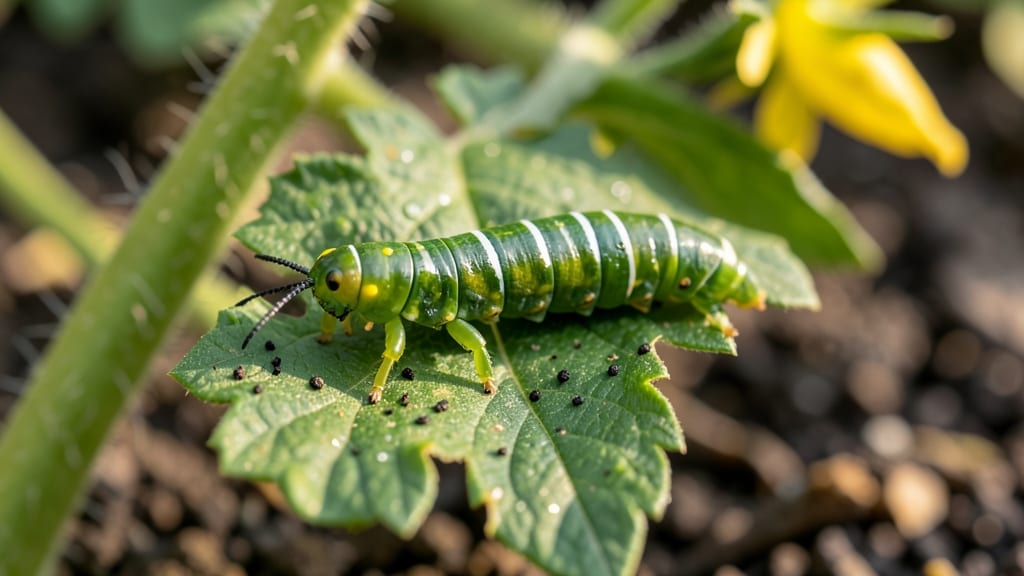
A natural tomato hornworm treatment can save your plants from being stripped bare in days—unless you act fast. 🌱 I’ve lost entire tomato plants to these striped devils, but I’ve also learned which natural deterrents actually work without chemicals.
The key is catching them early and using the right predators or barriers before they become a full-blown infestation. These caterpillars hide in plain sight, blending into foliage until they’ve already defoliated half your plant. Look for black-and-yellow striped larvae, frass (poop) piles, and sudden missing leaves overnight.
The good news? Birds, wasps, and parasitic flies love them—and so do a few simple organic tricks I’ll share. By the end, you’ll have a foolproof plan to keep your tomatoes thriving. No more waking up to skeletonized plants or wasting money on ineffective sprays.
Here’s how to outsmart them before they outsmart you. Works for backyard gardens, containers, and even small urban plots. Let’s get those tomatoes protected!
Root Causes Of Tomato Hornworm Infestations
Tomato hornworms—those massive, green caterpillars with striking white stripes and a voracious appetite—can turn your thriving tomato plants into a skeleton in no time. But why do they show up in the first place?
Understanding the root causes of these infestations helps you take proactive steps to prevent them. Let’s break down the science behind their arrival and how your garden might be unknowingly inviting them.
The primary reason tomato hornworms (scientific name: Manduca sexta) target your garden is simple: your tomatoes are their favorite meal. These caterpillars are highly specialized feeders, and the Solanaceae family—which includes tomatoes, peppers, eggplants, and potatoes—provides the perfect nutrient-rich diet for their rapid growth.
Here’s why they zero in on your plants:
- Nutrient Density: Tomato leaves are packed with proteins, sugars, and water—ideal for a growing caterpillar. A single hornworm can consume up to 1 pound of foliage in its lifetime, which is why they’re so destructive.
- Volatile Compounds: Tomato plants release volatile organic compounds (VOCs) when damaged, which act like a dinner bell for moths. These chemicals signal to adult moths that a food source is nearby, increasing the likelihood of egg-laying.
- Young, Tender Leaves: Hornworms prefer new growth because it’s softer and easier to digest. If your tomato plants are flourishing, you’re essentially serving them a buffet.
Actionable Tip: If you’ve noticed hornworms before, consider interplanting tomatoes with basil, marigolds, or onions. These plants mask the scent of tomatoes and may deter adult moths from laying eggs nearby. 🌿
Tomato hornworms don’t magically appear—they hatch from eggs laid by sphinx moths (also called hummingbird moths). These moths are nocturnal pollinators and are drawn to gardens with night-blooming flowers and moist, warm conditions. Here’s how they become a problem:
- Nocturnal Flight Patterns: Sphinx moths are most active at dusk and night, when they use their long proboscises to sip nectar from flowers like evening primrose, petunias, and jasmine. If your garden is a hotspot for these flowers, you’re more likely to attract egg-laying females.
- Warm Climates Accelerate Reproduction: Hornworms thrive in temperatures between 70°F and 85°F. In warmer regions (or during heatwaves), moths can produce multiple generations per year, leading to exponential infestations.
- Lack of Natural Predators Early On: Young hornworms are particularly vulnerable to birds, parasitic wasps, and lacewings. But if these predators aren’t present in your area—often due to urbanization or pesticide use—the caterpillars face fewer threats.
Pro Tip: Install a blacklight or UV lamp near your garden at night to monitor moth activity. If you see sphinx moths congregating, it’s a sign they’re scouting for egg-laying sites. 💡
Hornworm populations aren’t just about what’s growing in your garden—they’re also heavily influenced by weather patterns and seasonal changes. Here’s how environmental factors create the perfect storm for infestations:
| Factor | How It Attracts Hornworms |
|---|---|
| 🌞 Long, Warm Summers | Extended heat speeds up the moth’s life cycle, allowing for faster egg-laying and hatching. A single female can lay up to 2,000 eggs in her lifetime! |
| 🌧️ High Humidity | Moist conditions help eggs adhere to leaves and hatch more successfully. Dry spells can actually reduce infestations. |
| 🌿 Late Planting of Tomatoes | If you plant tomatoes after the first generation of moths has emerged (usually late spring/early summer), your plants become a target-rich environment for subsequent egg-laying. |
| 🌪️ Wind Patterns | Moths can be carried by gentle breezes from neighboring farms or wild areas. If your garden is downwind from agricultural fields, expect more visitors. |
Seasonal Strategy: In regions with two distinct growing seasons, consider planting early-season tomatoes (like cherry varieties) before moths become active. Fast-maturing varieties may outpace the hornworm lifecycle. ⏰
Sometimes, well-meaning gardening practices can inadvertently invite tomato hornworms. Here’s how your routine might be making the problem worse:
- Over-Fertilizing with Nitrogen: Lush, fast-growing tomato plants are a magnet for hornworms. While nitrogen promotes growth, it also makes leaves softer and more palatable to caterpillars.
- Ignoring Early Signs: Many gardeners only notice hornworms when major damage has occurred. By then, the moths have already laid hundreds of eggs nearby.
- Using Broad-Spectrum Pesticides: Chemicals that kill beneficial insects (like parasitic wasps) remove the natural checks and balances that keep hornworm populations in control.
- Planting Tomatoes in Isolation: Hornworms are less likely to find your plants if they’re surrounded by diverse vegetation. Monoculture gardens (large patches of the same plant) are like neon signs for pests.
Fix It: Switch to balanced, organic fertilizers (like compost or fish emulsion) and introduce companion plants like basil, dill, or thyme to disrupt the hornworm’s feeding cues. 🌿
Natural Fixes for Tomato Hornworms
Now that you know what attracts these hungry caterpillars, let’s tackle the problem head-on with effective, eco-friendly solutions—no harsh chemicals required! Below, we’ve mapped common causes to practical fixes, plus prevention tips to keep your tomato plants thriving.
Cause: Large, fast-growing caterpillars devouring leaves overnight. Fix:
- 🔍 Scout at dawn/dusk—Hornworms are most active then.
- 👨🍳 Grab and drop—Use tongs or wear gloves to pluck them off (they’re fuzzy but harmless to humans).
- 🔥 Drown or dispose—Drop them in soapy water or relocate them far from your garden (they’ll return if nearby).
- 🕰️ Repeat daily—Check plants every 2–3 days during peak season (June–August).
💡 Pro Tip: Look for their green droppings (frass) on leaves—a sure sign they’ve been feasting!
Cause: Weak tomato plants attract hornworms due to lack of natural defenses. Fix: Plant these hornworm-repelling companions near your tomatoes:
- 🌿 Basil (masks tomato scent)
- 🌼 Marigolds (emit a strong fragrance hornworms dislike)
- 🥬 Onions & Garlic (natural insect deterrents)
- 🌻 Nasturtiums (trap aphids that attract hornworm predators)
🎯 Prevention Tip: Interplant rows to confuse pests and improve airflow, reducing humidity (hornworms love damp conditions).
Cause: Fewer birds, parasitic wasps, or ladybugs in your garden. Fix:
- 🐦 Install birdhouses—Attract robins, sparrows, and chickadees (they love munching hornworms).
- 🕷️ Add a bug hotel—Provide shelter for braconid wasps (tiny but deadly to hornworms).
- 🌿 Avoid pesticides—Even "organic" sprays can harm beneficial insects.
- 💧 Water in the morning—Encourages predatory ground beetles to hunt.
✨ Bonus: Plant dill, fennel, or parsley—they attract predatory wasps that lay eggs inside hornworms (yikes, but nature’s way!).
Cause: Severe infestations where manual removal isn’t enough. Fix:
| Solution | How to Use | Safety Note |
|---|---|---|
| 🌿 Neem Oil Spray | Mix 2 tbsp neem oil + 1 tsp soap in 1 gallon water. Spray evening (avoids harming bees). | Reapply every 5–7 days. |
| 🍋 Spicy Pepper Spray | Blend 2 habaneros + 1 quart water. Strain and spray directly on caterpillars. | Wear gloves—capsaicin can irritate skin. |
| 🥛 Kaolin Clay | Mix 1 lb clay + 5 gallons water. Spray on leaves (creates a barrier). | Safe for organic gardens; reapply after rain. |
🌡️ Warning: Test sprays on a small leaf first—some plants (like peppers) may react.
Cause: Hornworms slipping past other methods. Fix:
- 🧶 Row covers—Use floating fabric over young plants (remove when flowers appear to allow pollination).
- 🪲 Collars for seedlings—Wrap cardboard collars around stems to block crawling caterpillars.
- 🍎 Apple cider vinegar trap—Mix 1 cup vinegar + 1 tsp dish soap in a bowl. Hornworms are drawn to the smell but drown in the solution.
🔥 Pro Tip: Yellow sticky traps can catch adult moths before they lay eggs!
Stop hornworms before they start with these garden habits:
- 🌱 Rotate crops—Avoid planting tomatoes in the same spot yearly.
- 💦 Mulch with straw—Reduces humidity and hides eggs.
- 🌿 Prune lower leaves—Keeps plants dry and removes hiding spots.
- 🌙 Plant late—Start tomatoes after June 1 (hornworm season peaks earlier).
- 🌿 Choose resistant varieties—Look for ‘Mountain Merit’ or ‘Celebrity’ tomatoes (less appealing to pests).
Final Thought: Hornworms are a test of patience and observation—but with these methods, you’ll reclaim your tomato harvest without resorting to chemicals. Start with handpicking and companions, then escalate to sprays or barriers if needed. Happy gardening! 🍅🚀
Frequently asked questions about tomato hornworm treatment
What do tomato hornworms look like, and how can I spot them early?
Tomato hornworms are large green caterpillars (up to 4 inches long) with white diagonal stripes and a distinctive horn at their rear end. Look for frass (green droppings) on leaves, chewed leaf edges, and missing foliage overnight. They blend into plants, so check undersides of leaves at dawn or dusk when they're most active.
Are tomato hornworms harmful to humans or pets?
No, tomato hornworms are completely harmless to humans and pets. While they may look intimidating with their fuzzy bodies, they can't sting or bite. The only risk is their rapid defoliation of tomato plants, which can weaken or kill them if left unchecked.
How often should I check my tomato plants for hornworms?
During peak season (June-August), inspect your plants every 2-3 days, focusing on new growth and leaf undersides. Early detection is key—check at dawn or dusk when caterpillars are most active. Regular monitoring prevents small infestations from becoming unmanageable.
Will neem oil or spicy pepper spray actually work against hornworms?
Yes, but with proper application. Neem oil disrupts their feeding (mix 2 tbsp oil + 1 tsp soap per gallon of water) and spicy pepper spray (blend 2 habaneros + 1 quart water) can deter them. Spray directly on caterpillars in the evening to avoid harming bees, and reapply every 5-7 days after rain. Test on a small leaf first—some plants may react.
Can I use beneficial insects to control hornworms naturally?
Parasitic wasps (like braconid wasps) lay eggs inside hornworms, and birds, lacewings, and ground beetles eat them. Attract these predators by planting dill, fennel, or parsley, installing birdhouses, and avoiding pesticides. These natural allies often provide better long-term control than chemical sprays.