
Vegetables
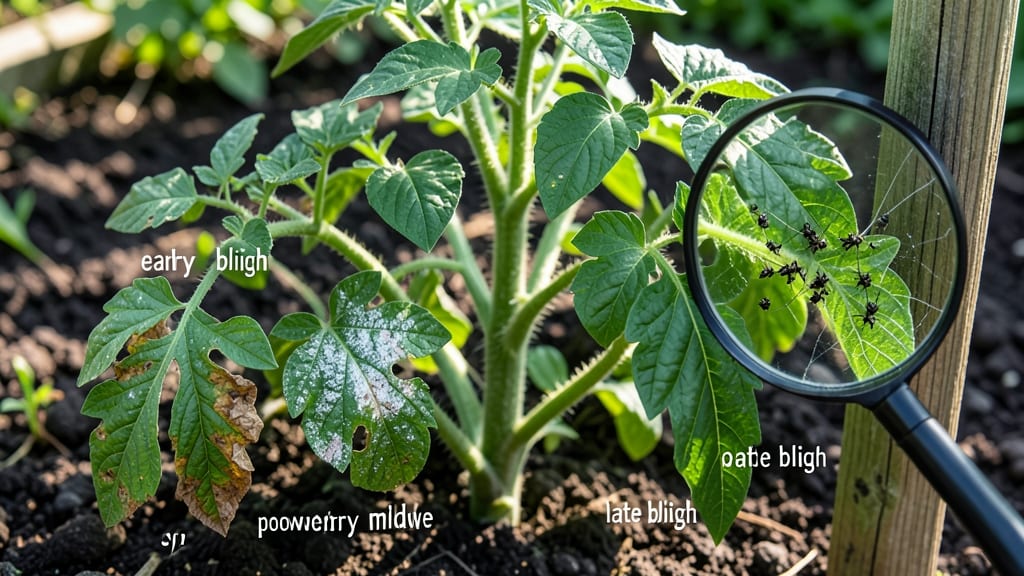
Your tomato plants are sending SOS signals through the tomato leaf problems photos you’ve got to decode—from fuzzy white spots to crispy edges, each symptom tells a story. The key is spotting the problem early, whether it’s fungal, pest-related, or just a simple fix like adjusting water or sunlight.
This isn’t just about identifying issues—it’s about fixing them fast. I’ll walk you through 12 common tomato leaf problems, complete with photos so you can match what you see to the solution.
No more guessing whether those brown spots are blight or just sunburn. You’ll learn organic treatments, pruning tricks, and cultural tweaks that work without harsh chemicals.
By the end, you’ll spot trouble before it spreads and keep your plants thriving all season. Think of it as a tomato leaf health check—early diagnosis means bigger, tastier fruit and fewer headaches. Let’s get those plants back in fighting shape.
Whether you’re dealing with curling leaves, yellowing edges, or mysterious holes, we’ll cover it all. Prevention tips included so you can keep your garden looking its best from first bloom to last harvest.
Root Causes Behind Tomato Leaf Troubles
Understanding why tomato leaves develop issues is the first step to saving your plants. 🌱🔍 These problems rarely appear out of nowhere—they’re usually a response to environmental stress, pests, or diseases. Let’s break down the most common culprits and why they trigger those telltale signs on your tomato leaves.
Fungal diseases are among the most frequent offenders in tomato gardens. These microscopic organisms thrive in humid, warm conditions and exploit weak spots in your plants.
- **Early Blight (Alternaria solani): This fungus attacks older leaves first, causing concentric brown spots with yellow halos. It spreads via contaminated soil, water splashes, or infected plant debris.
Overwatering or poor air circulation creates the perfect breeding ground. - Late Blight (Phytophthora infestans): A more aggressive cousin, late blight creates greasy, dark brown lesions that spread rapidly, even to fruits.
It loves cool, wet weather and can devastate a crop in days. - Powdery Mildew (Leveillula taurica): Unlike other fungi, this one coats leaves in a white, powdery film, reducing photosynthesis. It thrives in shady, crowded conditions** with high humidity.
💡 Pro Tip: Fungi spread faster when leaves stay wet. Water at the base of the plant in the morning to give foliage time to dry.
Bacteria are relentless and often enter through wounds (like pruning cuts or insect bites). Once inside, they multiply quickly, clogging plant tissues and causing:
- **Bacterial Spot (Xanthomonas perforans): Tiny, water-soaked spots that turn brown with yellow edges.
These spread via rain, wind, or contaminated tools, especially in hot, humid climates. - Bacterial Speck (Pseudomonas syringae): Similar to bacterial spot but with smaller, greasy lesions that may ooze bacteria when crushed. It thrives in cool, wet springs**.
🔥 Warning: Bacteria can’t be cured—remove infected leaves immediately and sterilize pruners with rubbing alcohol.
Pests don’t just eat leaves—they inject toxins, spread diseases, or weaken plants by feeding on sap. Here’s how they sabotage your tomatoes:
- Aphids & Spider Mites: These tiny pests suck sap, causing yellowing, curled leaves and sticky honeydew (which attracts sooty mold).
They thrive in dry, hot conditions and multiply exponentially. - Tomato Hornworms: While they may seem harmless at first, these green caterpillars can devour entire leaves overnight.
Look for ragged holes and black droppings on the soil. - Whiteflies: Clusters of these tiny white moths flutter when disturbed and leave a sticky residue. Their feeding weakens plants, making them prone to secondary infections.
🌡️ Climate Check: Most pests peak in summer heat—inspect leaves early morning when pests are sluggish.
Tomatoes are heavy feeders, and poor soil nutrition leads to telltale leaf symptoms:
| Deficiency | Leaf Symptoms | Why It Happens |
|---|---|---|
| Nitrogen (N) | Pale yellow leaves (older first) | Soil lacks organic matter or compost; overwatering leaches nutrients. |
| Potassium (K) | Brown scorched edges, weak stems | Common in sandy soils or over-fertilized with nitrogen-heavy feeds. |
| Magnesium (Mg) | Yellow patches between veins (older leaves) | Often caused by compacted or acidic soil (pH < 6.0). |
| Iron (Fe) | Yellowing between veins (young leaves) | Happens in alkaline soil (pH > 7.0) or when roots can’t access iron. |
💡 Fix It Fast: Conduct a soil test ($20 at garden centers) and amend with compost, wood ash (for K), or chelated iron.
Tomatoes are sensitive to extreme temperatures, light, and water fluctuations. Here’s how your growing conditions might be backfiring:
- Overwatering or Poor Drainage: Yellowing leaves, wilting, or root rot occur when roots suffocate in soggy soil. Tomatoes need 1–1.5 inches of water per week—consistency is key! - Underwatering: Crispy, curled edges signal thirst.
Mulch helps retain moisture and prevents soil temperature swings. - Temperature Shock: Sudden cold snaps (<50°F) cause blackened leaves, while heat stress (>90°F) leads to bleached or sun-scalded foliage. Use shade cloth in peak summer. - Light Deficiency: Leggy, pale stems with small leaves?
Your plants aren’t getting enough 6+ hours of sunlight. Rotate containers or relocate indoors if needed.
✨ Growth Hack: Mulch with straw to regulate soil temp and moisture—it’s like a mini climate control for your tomatoes!
Sometimes, the problem isn’t biological—it’s mechanical:
- Hail or Wind: Torn, bruised leaves can’t photosynthesize efficiently. Prune damaged foliage to redirect energy to new growth. - Improper Pruning: Snipping too close to stems or using dull shears creates entry points for disease.
Always cut at a 45° angle, ¼ inch above a leaf node. - Chemical Burn: Bleached or crispy edges? Overuse of fertilizer, herbicides, or even tap water with high chlorine can damage leaves. Use rainwater or filtered water for sensitive plants.
Quick Fixes for Tomato Leaf Woes
If your tomato plants are throwing red flags with discolored, curled, or spotted leaves, don’t panic—most issues have simple, effective solutions. Below, we’ll tackle the most common tomato leaf problems with step-by-step fixes, so you can get your plants back to thriving in no time. 🌱💚
Fix:
- 🔥 Remove infected foliage immediately – Snip off leaves with dark concentric rings (early blight’s signature) and dispose of them in the trash (not compost).
- 🍳 Spray with a copper fungicide – Apply every 7–10 days at dusk to prevent spores from spreading. Organic options like copper hydroxide work well.
- 🌱 Improve airflow – Prune lower leaves and space plants 18–24 inches apart to reduce humidity where fungus loves to hide.
💡 Prevention Tip: Mulch with straw (not hay) to keep soil moist but prevent splashing spores onto leaves.
Fix:
- ⏰ Act FAST – Late blight spreads like wildfire (literally). Remove all infected leaves and destroy them.
- 🔪 Prune aggressively – Cut back stems to healthy green tissue, sterilizing pruners with rubbing alcohol between cuts.
- 🌧️ Water at the base only – Avoid overhead watering, which spreads spores. Use drip irrigation or soaker hoses.
- 🛡️ Apply fungicide preventatively – Switch to a chlorothalonil-based or baking soda spray (1 tbsp baking soda + 1 quart water + a drop of soap) every 5–7 days.
💡 Prevention Tip: If late blight hits, harvest and cook tomatoes immediately—they’re safe to eat but won’t ripen further.
Fix:
- 💦 Blast them off – Spray plants with a strong stream of water daily for 3–5 days to knock mites loose.
- 🌿 Introduce beneficial insects – Release lacewings or predatory mites (available at garden centers) to eat the mites naturally.
- 🧴 Use neem oil or insecticidal soap – Mix 1 tsp neem oil + 1 tsp mild soap per quart of water, spray undersides of leaves where mites hide.
💡 Prevention Tip: Keep plants well-watered—mites thrive in dry conditions.
Fix:
- 🍳 Baking soda spray – Mix 1 tsp baking soda + 1 quart water + ½ tsp horticultural oil, spray every 7–10 days.
- 🌱 Prune for sunlight – Thin crowded plants to improve airflow and reduce humidity.
- 🌿 Neem oil or sulfur dust – Apply neem oil (1 tbsp per gallon) or dust with sulfur (follow package rates) for severe cases.
💡 Prevention Tip: Water in the morning so leaves dry quickly—powdery mildew loves damp leaves.
Fix:
- 🔪 Remove and destroy infected leaves – Don’t compost them; bag and trash to stop spore spread.
- 🛡️ Copper fungicide spray – Apply copper-based fungicide every 10–14 days until new leaves emerge.
- 🌱 Rotate crops – Never plant tomatoes (or nightshades) in the same spot next year.
💡 Prevention Tip: Space plants properly (18–24 inches apart) to prevent leaf wetness.
Fix:
- 📊 Test your soil – A simple DIY soil test kit (or lab test) reveals what’s missing.
- 💪 Fertilize smartly:
- Yellow lower leaves? → Nitrogen (use fish emulsion or blood meal).
- Yellow edges? → Potassium (try greensand or wood ash).
- Pale green? → Iron or magnesium (use Epsom salt—1 tbsp per gallon of water).
- 🌱 Mulch with compost – Adds slow-release nutrients and retains moisture.
💡 Prevention Tip: Side-dress (add fertilizer to soil around roots) mid-season for a nutrient boost.
Fix:
- 💧 Check soil moisture – Stick your finger 1–2 inches deep; if dry, water deeply. If soggy, stop watering and let soil dry.
- 🌱 Improve drainage – Amend soil with perlite or compost if water pools.
- 🍅 Support wilting plants – Stake or cage tomatoes to prevent root stress from sagging.
💡 Prevention Tip: Water at the base (not leaves) and early in the day so foliage dries.
Fix:
- 🔪 Handpick them early – Check leaves daily; squish or drop into soapy water.
- 🌿 Attract predators – Plant basil, dill, or marigolds nearby to lure parasitic wasps (hornworm’s natural enemy).
- 🍳 Spray with BT (Bacillus thuringiensis) – A natural bacterial spray that kills hornworms without harming other insects.
💡 Prevention Tip: Inspect plants at dawn—hornworms hide during the day!
- 🌱 Strengthen plants – Feed with compost tea or liquid seaweed for resilience.
- 🌿 Rotate crops – Avoid planting tomatoes in the same spot for 3+ years.
- 📅 Monitor daily – Catch issues early before they spread!
With these fixes, your tomato plants should bounce back faster than a sunburnt gardener at a BBQ. 😉🍅 Now go save those leaves!
Frequently asked questions about tomato leaf problems
How can I tell if my tomato leaf spots are fungal or bacterial?
Fungal spots usually have concentric rings (like early blight) or a powdery white coating (mildew), while bacterial spots appear greasy and water-soaked with yellow edges. Fungi thrive in damp conditions, while bacteria spread through wounds or contaminated tools. Always check leaf undersides for fuzzy growth—fungi often show up there first.
Why are my tomato leaves curling but there are no visible pests?
Curling can signal underwatering, heat stress, or nutrient deficiencies. Check soil moisture first—if dry, water deeply. For heat stress, provide afternoon shade. If leaves also show yellowing between veins, it may be a magnesium deficiency (try Epsom salt spray). Spider mites often cause curling too, but they’re tiny and hide on leaf undersides.
Can I save my tomatoes if late blight appears?
Act immediately! Remove all infected leaves and destroy them (don’t compost). Prune aggressively to improve airflow, and switch to drip irrigation to avoid spreading spores. Apply a copper fungicide every 5–7 days. Harvest ripe tomatoes quickly—they’re safe to eat but won’t ripen further. Prevention is key: rotate crops yearly and avoid overhead watering.
What’s the fastest way to get rid of aphids on tomato leaves?
For an instant fix, blast them off with a strong stream of water (do this daily for 3–5 days). For organic control, mix 1 tsp neem oil + 1 tsp mild soap per quart of water and spray undersides where aphids hide. Introduce lacewings or ladybugs—they eat aphids naturally. Check leaves early morning when pests are sluggish.
Are yellow tomato leaves always a sign of disease?
Not necessarily! Yellowing can mean overwatering (roots suffocating), nutrient deficiency (like nitrogen), or natural aging (older leaves yellow first). Check soil moisture and test for deficiencies. If only lower leaves yellow, it’s likely nitrogen. If edges brown, it may be potassium deficiency or underwatering. Always rule out environmental causes first.