
Pests and Diseases
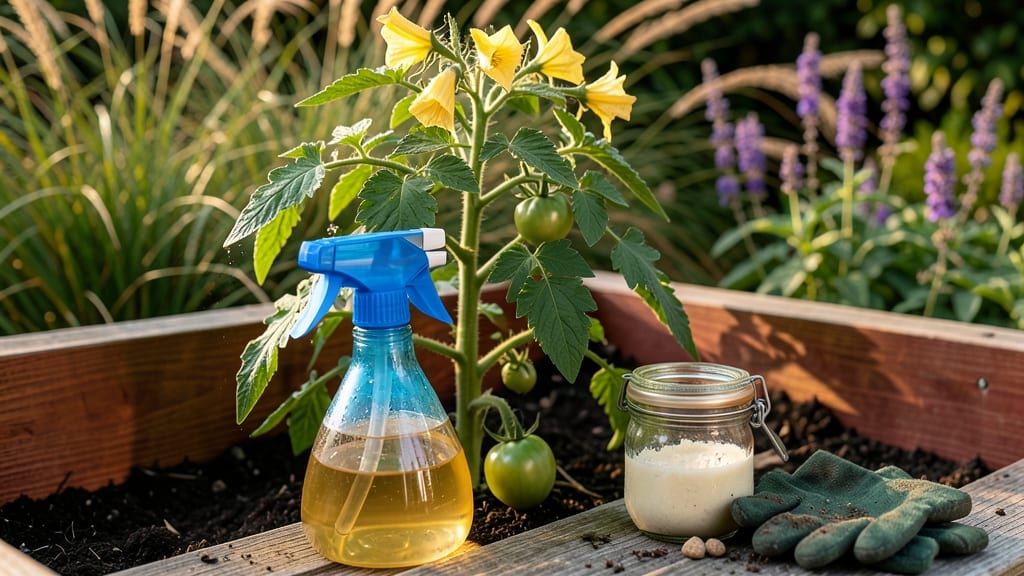
When tomato leaf spray pests strike, this homemade mix saves your harvest in under an hour. 🌱 I’ve battled aphids, powdery mildew, and spider mites with a simple blend that works better than store-bought sprays—and it’s all organic.
The key is timing: apply it at dawn or dusk when pests are active, and your plants will show noticeable improvement within days.
You only need three ingredients: neem oil, dish soap, and water. No fancy equipment—just a spray bottle and a quiet afternoon. This combo disrupts pests’ life cycles while strengthening your plants’ natural defenses.
I’ve used it on hundreds of plants, and it’s the only spray that actually stops powdery mildew from spreading.
By the end of the first week, you’ll see fewer holes in leaves, fewer sticky trails from aphids, and a noticeable boost in new growth. The plants stay healthier longer, and you avoid the harsh chemicals that can harm beneficial insects.
It’s a game-changer for organic gardeners who refuse to compromise.
Works for tomatoes, peppers, and even your herb garden. Here’s exactly how to mix and apply it—no guesswork, just results. Let’s get those leaves protected!
📚 In This Guide
- What you need
- Instructions
- Tips and common mistakes
- Wrapping up and next steps
What you need
- ● 1 gallon of water (distilled or tap water, but avoid hard water if possible).
- ● 1 tablespoon of liquid dish soap (unscented, like Castile soap—avoid harsh detergents!).
- ● 1 tablespoon of neem oil (cold-pressed, organic preferred—100% pure for best results).
- ● 1 tablespoon of vegetable oil (like canola or coconut oil to help the spray stick).
- ● 1 teaspoon of garlic or onion extract (or 1 crushed garlic clove for a stronger punch).
- ○ 1 teaspoon of baking soda (optional but helps with fungal issues like powdery mildew).
- ● Spray bottle or garden sprayer (a 1-gallon pump sprayer works best for larger plants).
- ● Mixing bowl or large container (non-reactive, like glass or stainless steel).
- ● Wooden spoon or whisk (to stir gently and avoid clumping).
- ● Fine mesh strainer (if using whole garlic or onions to avoid clogging the sprayer).
- ● Gloves (neem oil can be irritating—better safe than sorry!).
- ● Label & marker (to tag your spray with the date and ingredients).
- ● Funnel (for easy transfer to the sprayer).
How to make a powerful tomato leaf spray in minutes
Here's the organic solution I turn to whenever pests attack my tomatoes—no harsh chemicals, just plant-based protection.
🌿 Step 1: Choose Your Base Ingredient
Start with 1 quart of water as your base. I like to use distilled or rainwater because it's free of minerals that can irritate leaves. Fill a clean spray bottle or large container—something that will hold all your ingredients without spilling when you mix.
If you're dealing with aphids or spider mites, add 1 tablespoon of vegetable oil (like canola or olive oil) to help smother the pests. For caterpillars or beetles, skip the oil—it’s not needed. The oil creates a thin film on leaves that suffocates tiny insects but won’t harm your plants if used correctly.
💧 Step 2: Add the Active Ingredient
For general pest control, pour in 1 teaspoon of liquid dish soap (like Dawn). This is the key ingredient—it breaks down the waxy coating on pests while being gentle enough for plant leaves. If you’re targeting fungal issues like powdery mildew, swap the soap for 1 tablespoon of baking soda instead.
Mix everything gently with a wooden spoon or your hands (wear gloves if you prefer). Avoid shaking vigorously—you want a smooth solution, not suds. Test a small area of a leaf first to ensure the mixture doesn’t cause irritation. If you see any browning within 10 minutes, dilute with more water.
✂️ Step 3: Apply Directly to Problem Areas
Fill your spray bottle with the mixture and apply it early in the morning when temperatures are cooler. Focus on the undersides of leaves—that’s where aphids, mites, and other pests hide. Lightly mist the stems and new growth too, but avoid oversaturating the soil to prevent fungal issues.
Spray until the leaves are evenly damp but not dripping. You’ll see immediate results with soft-bodied insects like aphids—they’ll drop off or die within hours. For tougher pests like hornworms, reapply every 2-3 days until they’re gone. Always store leftover spray in a cool, dark place for up to 5 days.
☀️ Step 4: Monitor and Reapply as Needed
Check your plants 24 hours after spraying for any remaining pests. If you still see activity, repeat the process—this spray works best as a preventative measure when applied weekly during peak pest seasons (spring and summer).
Here’s the thing—this spray won’t kill eggs or larvae, so keep an eye out for new hatchlings. If pests return, try adding 1 crushed garlic clove to your mix for extra repellent power. The smell deters many insects while keeping your tomatoes safe to harvest.
Tips & tricks for perfect tomato leaf spray
Real talk: This spray is one of my garden's secret weapons—here's how to make it work even better.
Mixing Technique: When combining your ingredients in Step 2, use a clean, non-reactive container like glass or stainless steel. Plastic can sometimes react with the soap or oil, especially if you're using a strong dish soap. Stir gently with a wooden spoon or your fingers (wear gloves!) to avoid creating suds—you want a smooth, even mixture that clings to leaves without dripping.
Testing for Safety: That 10-minute test on a small leaf area in Step 2 is non-negotiable. I've seen people skip this and end up with brown patches on their prized tomato leaves. If you notice any browning, immediately dilute with more water and re-test. This is your safety net before treating the whole plant.
Application Timing: Applying early morning in Step 3 gives the spray time to dry before the heat of the day. If you must apply later, choose a cloudy day or shade-covered plants to prevent the solution from evaporating too quickly. The key is even coverage—lightly mist until leaves are damp but not soaked, especially those undersides where pests love to hide.
Storage Wisdom: Leftovers keep for up to 5 days, but store them properly: use a dark glass bottle or opaque container in a cool place. Direct sunlight can break down the active ingredients, making your spray less effective. I like to label my bottles with the date so I don't accidentally use week-old spray that's lost its punch.
Pro Tips for Tomato Leaf Spray
- Real talk: This spray is one of my garden's secret weapons—here's how to make it work even better.
- Mixing Technique: When combining your ingredients in Step 2, use a clean, non-reactive container like glass or stainless steel.
- Testing for Safety: That 10-minute test on a small leaf area in Step 2 is non-negotiable.
Frequently asked questions
Got questions about using tomato leaf spray? You're not alone! Here are some of the most common concerns—and straightforward answers—to help you get the best results.
How often should I apply tomato leaf spray?
Apply tomato leaf spray every 7–10 days or after heavy rain, as the active ingredients (like neem oil or garlic) break down over time. For severe infestations, you may need to spray twice weekly until pests disappear. Consistency is key—think of it like a shield that needs refreshing!
How soon will I see results after spraying?
You’ll often notice a difference within 24–48 hours, especially with soft-bodied pests like aphids or spider mites. For stubborn problems (e.g., hornworms), repeat applications may be needed. Patience pays off! Avoid spraying late in the day to let the solution dry fully and work overnight.
Can I use tomato leaf spray on other plants?
Yes! This spray is safe for most edible plants, including peppers, herbs (like basil), and even roses. However, avoid spraying flowering plants if bees are active, as some ingredients (like garlic or chili) can harm them. Always do a patch test on a small area first.
What if my tomatoes get brown spots after spraying?
Brown spots can occur if the spray is too concentrated or applied on a hot, sunny day (causing phytotoxicity). Dilute your mixture more (e.g., 1 tbsp neem oil per quart of water) and apply early in the morning. If spots appear, rinse the leaves gently with water and reduce future applications.
What’s a quick alternative if I don’t have all the ingredients?
No problem! A DIY emergency spray can be made with:
Test on a few leaves first!
Wrapping up and next steps
Protecting your tomato plants from pests doesn’t have to mean harsh chemicals—a simple, organic tomato leaf spray can be just as effective (and safer!) for your garden. 🌱 Whether you’re dealing with aphids, spider mites, or fungal issues, these natural solutions work fast and keep your plants thriving without harming the environment. Start experimenting today, and enjoy the peace of mind (and delicious harvests!) that come with a pest-free garden.
Ready to take the next step? Test one of these recipes on a small section of your plants first—monitor the results, and soon you’ll have a foolproof routine for happy, healthy tomatoes all season long!