
How To
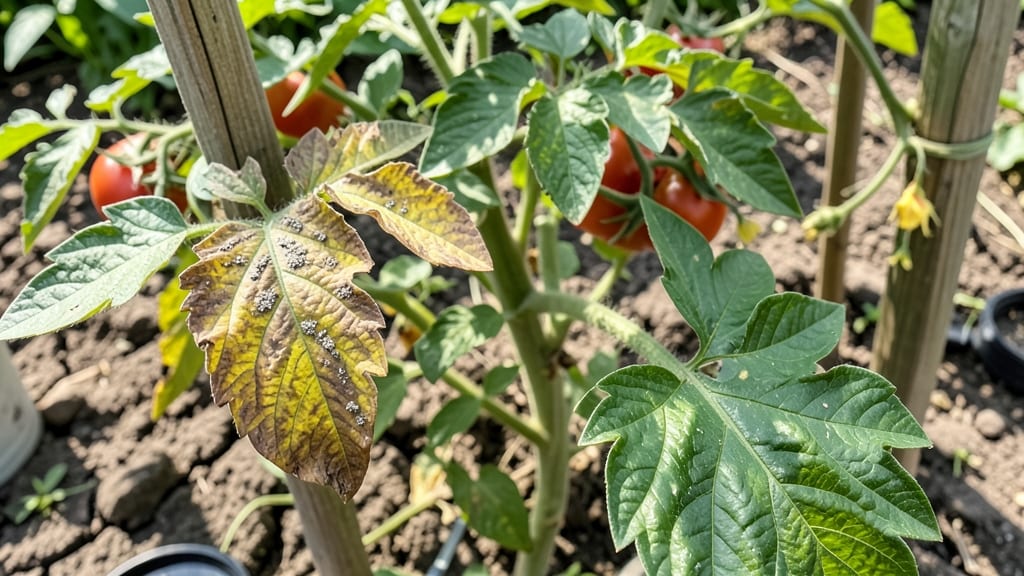
Your tomato leaves browning into crispy edges isn't a death sentence—it's a fixable problem. 🌱 I've seen this happen to even the most experienced gardeners (including me), and the right approach can save your plants before the damage spreads.
The key is figuring out whether it's scorched from too much sun, stressed from overwatering, or battling a fungal infection.
Start by checking the pattern: crispy brown edges usually mean sunburn or underwatering, while yellowing spots with brown centers point to early blight or overwatering. Feel the soil—if it's dry an inch down, water deeply but avoid wetting the leaves.
If it's soggy, hold off until the top 2 inches are dry. Prune affected leaves immediately to improve airflow and reduce fungal spread.
For prevention, mulch heavily with straw or grass clippings to keep soil moist and cool, and space plants 18-24 inches apart for better airflow. Resistant varieties like 'Mountain Merit' or 'Defiant PhR' can also save you headaches next season.
With these steps, your plants will bounce back in 1-2 weeks—and you'll keep those juicy tomatoes coming.
This works for both container-grown and in-ground tomatoes, so don't let browning leaves stress you out. The fix is simpler than you think—and your harvest depends on it. Let's get your plants thriving again.
Root Causes Of Browning Leaves
When your tomato plant’s leaves start turning crispy, brown, or yellowed at the edges, it’s rarely a random act of nature—it’s a clear distress signal. Understanding the why behind these symptoms is the first step to saving your plants.
Below, we break down the most common culprits, backed by science, so you can diagnose the issue like a pro.
Tomatoes thrive in well-draining soil, but when roots sit in soggy conditions, they suffocate. Excess moisture triggers fungal diseases like Phytophthora or Pythium, which cause leaves to wilt, yellow, and eventually brown. Even worse, waterlogged roots can’t absorb nutrients efficiently, leading to nutrient deficiencies that manifest as scorched edges.
How to spot it:
- Leaves turn brown from the bottom up, often with a mushy stem.
- Soil smells sour or like rotting eggs.
- Plants wilt even when watered.
Scientific note: Oxygen deprivation in waterlogged soil forces roots to switch to anaerobic respiration, producing ethanol—toxic to plant cells. This accelerates cell death, visible as browning.
Tomatoes are thirsty plants, and when they don’t get enough water, their leaves curl inward to conserve moisture. This traps heat, causing edges to crisp and brown—a condition called physiological drought stress.
High temperatures (above 90°F/32°C) worsen the problem by increasing transpiration rates, drying leaves faster than roots can replenish water.
How to spot it:
- Browning starts at the leaf edges and spreads inward.
- Leaves feel dry and papery to the touch.
- Soil is completely dry 1–2 inches below the surface.
Pro tip: Mulch around plants to retain moisture and reduce temperature fluctuations. Water deeply in the early morning to minimize evaporation.
Browning leaves can also scream for micronutrients. The most critical deficiencies linked to leaf scorch are:
| Nutrient | Symptoms | Why It Happens |
|---|---|---|
| Potassium (K) | Brown, crispy edges on older leaves (first sign). | Potassium regulates water balance and osmotic pressure in cells. Without it, leaves lose moisture rapidly, leading to scorching. |
| Magnesium (Mg) | Yellowing between leaf veins (interveinal chlorosis), progressing to brown. | Magnesium is central to chlorophyll. Deficiency disrupts photosynthesis, causing cell death. |
| Calcium (Ca) | Young leaves cup upward with brown, dead spots. | Calcium strengthens cell walls. Deficiency leads to blossom-end rot in fruits and weak leaf structure. |
Actionable fix: Test soil pH (ideal: 6.0–6.8) and amend with compost, banana peels (potassium), or Epsom salt (magnesium). Avoid over-fertilizing with nitrogen—it masks deficiencies.
Harsh chemicals—whether synthetic pesticides, herbicides, or even over-caustic fertilizers—can burn leaf tissue on contact. Symptoms often appear as irregular brown patches or white/yellow halos around sprayed areas. Neonicotinoids and copper-based fungicides are common offenders.
How to spot it:
- Browning occurs only on one side of the plant (where spray landed).
- Leaves may curl or blister before browning.
- New growth is stunted or deformed.
Prevention: Always follow label instructions and dilute chemicals properly. For organic solutions, use neem oil or insecticidal soap—less likely to cause burns.
Tomatoes are sensitive to sudden environmental shifts. Wind, salt buildup, or even hard water can trigger browning:
- Salt damage: Over-fertilizing or poor-quality water leaves salt deposits in soil, causing osmotic stress. Roots can’t absorb water, leading to leaf scorch. Symptom: Brown edges with a white crust on soil.
- Windburn: High winds desiccate leaves by increasing transpiration. Symptom: Brown, papery patches on exposed leaf surfaces.
- Fluoride toxicity: Hard water with high fluoride can accumulate in leaves, causing brown tips and margins. Test: Check water hardness with a local report.
Fix: Flush soil with rainwater to reduce salt buildup. Use windbreaks (like burlap or straw bales) to protect plants. For hard water, collect rainwater or install a water softener.
Quick Fixes for Crispy Tomato Leaves
Browning tomato leaves can feel like a gardening disaster, but don’t toss those plants just yet! The good news is that most causes have simple, effective solutions—some even take minutes to implement.
Below, we’ve mapped out practical fixes for the most common culprits, along with prevention tips to keep your tomato plants lush and green. Let’s revive those leaves and save your harvest!
If your tomato leaves are browning at the edges or feel soggy, root rot or waterlogging might be the issue. Here’s how to turn things around:
🔥 Step 1: Check the Soil
- Gently press your finger 1–2 inches into the soil. If it’s damp (not bone-dry but not soggy either), hold off on watering.
- Pro tip: Use a moisture meter for accuracy—overwatering is sneaky! 🌡️
👨🍳 Step 2: Improve Drainage
- Repot if needed: If your container lacks drainage holes, transfer the plant to a pot with holes or add a layer of gravel or perlite at the bottom.
- For in-ground plants: Amend the soil with compost or sand to loosen it up.
🥘 Step 3: Adjust Your Watering Routine
- Water deeply but less often: Aim for 1–1.5 inches per week, letting the top inch of soil dry out between waterings.
- Morning watering is key: Wet leaves in the evening can lead to fungal issues. ⏰
💡 Prevention Tip
- Use self-watering pots or drip irrigation to avoid guesswork.
- Mulch around the base (2–3 inches of straw or wood chips) to retain moisture without drowning roots.
If leaves are yellowing with brown, crispy edges (especially on young plants), excessive sun or heat stress is likely the villain.
🔥 Step 1: Provide Shade (Temporarily)
- Use shade cloth (30–50%) if your tomatoes are getting more than 6–8 hours of direct sun in extreme heat (above 90°F/32°C).
- Move potted plants to a spot with morning sun and afternoon shade.
🍳 Step 2: Protect Young Plants
- Transplant seedlings gradually if moving them from shade to sun. Acclimate them over 5–7 days by increasing sun exposure slowly.
- Use row covers for a few weeks after transplanting to ease them into full sun.
🥘 Step 3: Hydrate Strategically
- Water deeply in the morning to help leaves absorb heat.
- Mist leaves lightly on scorching days (but avoid evening misting to prevent disease).
💡 Prevention Tip
- Choose heat-tolerant varieties like ‘Solar Fire’ or ‘Heatmaster’ if you live in a hot climate.
- Plant in late spring (after the last frost) to avoid early-season heat spikes.
Brown, leathery patches or black spots with yellow halos? Fungal diseases like early blight or septoria leaf spot are likely.
🔥 Step 1: Remove Infected Leaves
- Snip off browned leaves with clean scissors, then dispose of them in the trash (not compost).
- Avoid wetting foliage when watering—aim for the soil instead.
👨🍳 Step 2: Apply Fungicide
- Baking soda spray: Mix 1 tsp baking soda + 1 tbsp oil + 1 tsp mild soap per quart of water.
Spray every 7–10 days. - Copper fungicide: Follow label instructions for organic control. - Neem oil: A natural preventative—spray on dry leaves in the evening.
🥘 Step 3: Improve Airflow
- Prune crowded plants to allow sunlight and air to circulate.
- Space tomatoes 18–24 inches apart (or use cages/stakes to keep them upright).
💡 Prevention Tip
- Water at the base (not overhead) to keep leaves dry.
- Rotate crops yearly—don’t plant tomatoes in the same spot if fungal issues persist.
Brown, crunchy edges with yellow veins? Your plants might be over-fertilized, especially with high-nitrogen or salt-heavy fertilizers.
🔥 Step 1: Flush the Soil
- Water heavily for 10–15 minutes to leach out excess salts.
- Repeat 2–3 times over a week to dilute buildup.
🍳 Step 2: Adjust Fertilizer
- Switch to a balanced formula (e.g., 5-5-5 or 10-10-10) if you’ve been using high-nitrogen (e.g., 12-0-0).
- Use organic options like compost tea or fish emulsion for a gentler boost.
🥘 Step 3: Test Your Soil
- DIY test: Use a soil test kit (available at garden centers) to check pH and nutrient levels.
- Ideal pH for tomatoes: 6.0–6.8. Adjust with lime (to raise pH) or sulfur (to lower it) if needed.
💡 Prevention Tip
- Follow the “less is more” rule: Fertilize every 2–3 weeks during growing season, not weekly.
- Avoid synthetic fertilizers if you’re prone to overdoing it—organics release nutrients slower.
No matter the issue, these quick fixes can help your tomatoes bounce back:
- Trim damaged leaves to redirect energy to healthy growth.
- Boost with Epsom salt (1 tbsp per gallon of water) if leaves are pale—tomatoes love magnesium!
- Mulch with straw to protect roots and retain moisture.
- Harvest ripe tomatoes early to reduce stress on the plant.
Remember: Browning leaves aren’t always a death sentence! With the right adjustments, your tomato plants can recover—and you’ll be feasting on juicy, vine-ripened tomatoes in no time. 🍅✨
Frequently asked questions
Why do my tomato leaves turn brown only at the edges?
This is usually a sign of underwatering or heat stress. When tomato plants don't get enough water, their leaves curl inward to conserve moisture, trapping heat and causing the edges to dry out and brown. It can also happen if your plants are getting too much direct sun, especially in hot afternoons. Check the soil moisture by sticking your finger 1-2 inches deep—if it's dry, water deeply in the morning.
What's the difference between brown edges from sunburn and fungal disease?
Sunburned leaves show crispy, dry brown edges that feel papery to the touch, while fungal diseases like early blight create leathery brown spots with yellow halos. Sunburn usually affects leaves exposed to intense afternoon sun, while fungal issues appear randomly on leaves and often start at the bottom of the plant. Fungal spots may also have a slightly raised, velvety texture.
Can I still save my tomato plant if most leaves are brown?
Yes! Even if most leaves are brown, your plant can often recover with proper care. Focus on removing all severely damaged leaves to redirect energy to healthy growth. Check the roots—if they're firm and white (not mushy or black), the plant can bounce back. Keep watering consistently (but not excessively) and provide shade if needed. With good airflow and proper watering, new leaves should emerge in 1-2 weeks.
How often should I prune brown leaves from my tomato plants?
Prune brown or diseased leaves weekly to prevent fungal spread and improve airflow. Use clean scissors or pruners to avoid damaging healthy tissue. Always remove leaves completely at the stem—don't just tear them off. This helps the plant focus its energy on producing fruit rather than maintaining damaged foliage. Just be careful not to remove more than 20-30% of the foliage at once.
Will my tomatoes still ripen if the leaves are browning?
Yes, tomatoes can still ripen even with browning leaves, but the quality may be affected. Healthy leaves provide energy for fruit development, so severe browning might reduce yield or quality. If you're dealing with fungal issues, focus on treating the plant first. For sunburn or underwatering, your existing fruit should continue ripening normally. Harvest green tomatoes early if needed—they'll ripen indoors at room temperature.