
How To
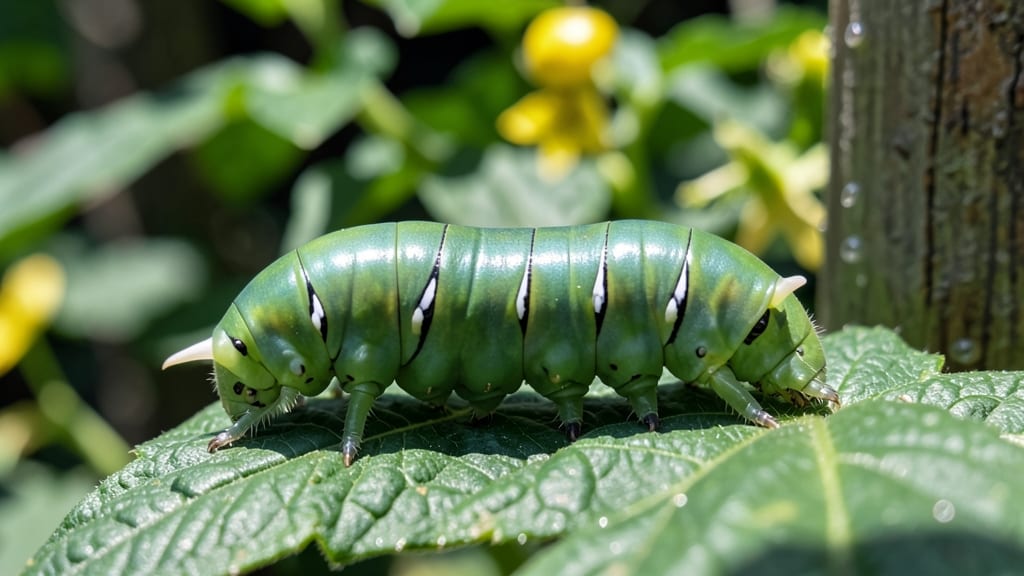
Those striped green hornworm caterpillars devouring your tomatoes faster than you can say "hummingbird moth" 🌱 aren't just pests—they're nature's secret gardeners. Every summer, tomato hornworms transform into stunning hummingbird moths, but first, they'll strip your plants bare if you don't act fast.
The good news? You don't need chemicals to win this battle. I've battled these caterpillars for years using simple tricks: handpicking (they're surprisingly easy to spot), inviting their natural predators like parasitic wasps, and planting companion herbs that confuse their sense of smell.
The key is acting early—before they skeletonize your leaves.
You'll end up with a balanced garden where these caterpillars become a minor annoyance instead of a total disaster. Your tomatoes will recover faster, your plants will stay healthier, and you might even get to see the beautiful hummingbird moths that result from all that chaos.
Works for home gardeners of all experience levels, from balcony containers to backyard plots. The methods here protect your harvest without harming the ecosystem—just good old-fashioned garden smarts.
Why it happens
Those striking tomato hornworm caterpillars—often mistaken for tiny dragons—don’t just appear out of nowhere. Their presence is the result of a perfect storm of biology, environmental cues, and human gardening habits.
Understanding why they target your plants (especially tomatoes, peppers, and eggplants) is the first step to outsmarting them. Let’s break down the science behind their sudden appearances.
🌱 Host Plant Magnetism: Why Tomatoes Are Their Buffet
The tomato hornworm isn’t picky—it’s strategic. These caterpillars are the larvae of the Manduca sexta (hummingbird moth), and their moms lay eggs exclusively on plants from the nightshade family (Solanaceae). Here’s why your garden is a five-star restaurant to them:
- Chemical Attraction: Tomatoes and peppers produce volatile organic compounds (VOCs) when damaged (like from chewing or trampling). These compounds act like dinner bells, signaling moths to lay eggs nearby. Pro Tip: If you’ve pruned or harvested tomatoes recently, you’ve accidentally sent out an invitation.
- Nutrient-Rich Feast: Solanaceous plants are packed with alkaloids (like solanine), which deter most pests—but not hornworms. Their bodies have evolved to metabolize these toxins, turning your prized plants into a high-protein, low-risk meal.
- Fast Growth, Fast Food: A single hornworm can grow from egg to pupa in 6 weeks, devouring up to 20 leaves per day. Their rapid life cycle means they need high-calorie hosts to fuel their transformation.
🐛 Timing Is Everything: Their Life Cycle Sync
Hornworms don’t just show up randomly—they’re following a seasonal script. Their emergence is tied to temperature and daylight, making them predictable if you know the cues:
| Stage | Trigger | What Happens |
|---|---|---|
| Egg Laying | Warm nights (above 60°F / 15°C) | Female moths lay 200–300 eggs on the underside of leaves in clusters. Eggs hatch in 3–5 days. |
| Larval Feast | Daytime temps (70–85°F / 21–29°C) | Caterpillars molt 5 times, growing from 1/4" to 4" long. They’re most active at dawn and dusk to avoid predators. |
| Pupation | Cooling temps (below 75°F / 24°C) | They burrow into soil or hide in leaf litter to pupa, emerging as moths in 10–14 days. |
💡 Actionable Insight: If you’re seeing hornworms in June or July, they likely hatched from eggs laid in May. Monitor your plants weekly during this window.
🌍 Climate and Habitat: Why Your Garden Is Prime Real Estate
Not all gardens are equal in the eyes of a hummingbird moth. These caterpillars thrive in environments that offer:
- Warm Microclimates: They avoid frost and prefer sheltered spots (e.g., near fences, greenhouses, or dense foliage). If your garden stays consistently above 65°F (18°C), it’s a hornworm haven.
- Low Predator Pressure: Birds, wasps, and parasitic flies (like Cotesia congregata) naturally control hornworm populations. But if your garden lacks:
- Perches for birds (e.g., nearby trees)
- Wildflowers for predator insects
- Open spaces for parasitoids to hunt
- Monoculture Planting: Gardens with rows of identical plants (like a tomato farm) are like a buffet with unlimited refills. Diversify your crops to break their radar.
👨🌾 Human Habits: How We Accidentally Help Them
Sometimes, the problem isn’t nature—it’s us. Common gardening mistakes that invite hornworms include:
- Overwatering: Damp soil and leaves create the perfect humidity for egg survival. Hornworm eggs desiccate quickly in dry conditions.
- Late Planting: Starting tomatoes from seed indoors and transplanting them outdoors in May or June (peak egg-laying season) gives moths a head start.
- Ignoring Early Signs: Droppings (frass) or chewed leaves with “notches” are red flags. By the time you see a full-grown caterpillar, it’s already eaten half your plant.
- Pesticide Overuse: Broad-spectrum sprays kill beneficial insects (like ladybugs and lacewings) that prey on hornworm eggs. This leaves the caterpillars with no natural checks.
✨ Pro Tip: If you’re using neem oil or Bt (Bacillus thuringiensis), apply it at dusk when hornworms are most active—but avoid spraying in direct sunlight, which reduces effectiveness.
Quick Fixes for Garden Pests
Managing tomato hornworms and hummingbird moth caterpillars doesn’t have to be a battle—just a strategic game of defense. Whether you’re dealing with a sudden infestation or want to prevent one, these solutions are practical, eco-friendly, and easy to implement.
Below, we’ve mapped the most common causes to their fixes, so you can act fast and keep your garden thriving.
If you spot these striped caterpillars munching on your tomato plants, act fast before they devour your harvest.
🍳 Handpick Them (Safest & Most Effective)
- Why it works: Tomato hornworms are large and easy to spot—just grab them by the neck (not the body, or they’ll squirt a foul liquid!) and drop them into soapy water.
- Pro tip: 💡 Do this in the early morning when they’re sluggish. Wear gloves if you’re squeamish!
👨🍳 Use a Drop Cloth or Newspaper
- Lay a large sheet or newspaper under the plant, then gently shake or tap the branches. The caterpillars will fall onto the surface—dispose of them far from your garden.
⏰ Timing Matters
- Check your plants every 2–3 days during peak season (late spring to early summer). Early detection = fewer losses.
Stopping them before they start saves time, money, and your sanity. Try these low-effort, high-impact methods:
🌡️ Encourage Natural Predators (Free Pest Control!) Tomato hornworms have natural enemies that can keep their numbers in check. Attract them with:
- Ladybugs & Lacewings – Plant dill, fennel, or yarrow to lure them in.
- Parasitic Wasps – These tiny allies lay eggs inside hornworms, killing them naturally. No need to do anything—just let them work!
- Birds & Chickens – A bird feeder or free-ranging chickens can snack on caterpillars before they become a problem.
🎯 Plant Smart: Trap Crops & Repellents
- Sacrificial Plants: Grow basil, dill, or marigolds near tomatoes—hornworms prefer these over your prized tomatoes.
- Strong Scents: Plant garlic, chives, or mint around your garden. The smell repels them (and many other pests).
- Neem Oil Spray (🌿 Organic Option): Mix 1 tbsp neem oil + 1 tsp mild soap + 1 quart water, spray on leaves (avoid flowers to protect bees). Reapply after rain.
🔪 Physical Barriers (For Heavy Infestations)
- Row Covers: Lightweight fabric over young plants blocks moths from laying eggs.
- Collars: Wrap cardboard or aluminum foil around tomato stems—caterpillars can’t climb smooth surfaces.
- Netting: Use fine mesh netting over entire plants if you’re growing heirlooms or have a history of bad infestations.
If you’re dealing with a severe or recurring problem, try these extra steps:
📊 BT (Bacillus thuringiensis) – The "Nuclear Option" for Organic Growers
- What it is: A natural bacteria that kills caterpillars when ingested (safe for humans, pets, and beneficial insects).
- How to use: Mix 1 tsp BT per gallon of water, spray on leaves. Reapply every 7–10 days or after rain.
- ⚠️ Warning: Works best on young caterpillars—once they’re large, they’re harder to kill.
💪 Crop Rotation & Garden Hygiene
- Rotate plants yearly to disrupt moths’ life cycle.
- Clean up debris in fall—eggs and pupae hide in dead leaves and stems.
- Remove fallen fruit promptly—it attracts egg-laying moths.
🎯 Pheromone Traps (For Large Gardens)
- Hang hummingbird moth pheromone traps to catch adult moths before they lay eggs. Best for commercial or large-scale gardens.
- ❌ Avoid broad-spectrum pesticides (like malathion)—they kill beneficial insects too, leaving your garden vulnerable.
- ❌ Don’t ignore early signs—a few caterpillars can turn into a full-blown outbreak in days.
- ❌ Skip handpicking—it’s the fastest way to reduce numbers without harming your ecosystem.
With these targeted solutions, you’ll keep your tomato plants safe without resorting to harsh chemicals. Prevention is key, but even if you’re caught off guard, a little elbow grease and smart strategies will save your harvest! 🍅🚀
Frequently asked questions
Why do tomato hornworms suddenly appear in my garden?
These caterpillars emerge because their parent hummingbird moths lay eggs on nightshade plants like tomatoes during warm nights (60°F+). Eggs hatch in just 3-5 days, so they appear fast once conditions are right. Overwatering or recent plant damage (like pruning) can actually attract more moths to lay eggs.
What's the best way to remove them without harming my plants?
Handpicking works best! Grab them by the neck (not the body) and drop into soapy water. For larger infestations, use a drop cloth under plants and gently shake them off. Always check leaves at dawn or dusk when they're sluggish and easiest to spot.
Can I still see hummingbird moths if I remove the caterpillars?
These caterpillars will eventually pupate in soil or leaf litter and emerge as stunning hummingbird moths. The moths are harmless pollinators. Just make sure to remove caterpillars before they pupate if you want to prevent next year's infestation.
Will neem oil or BT really work against hornworms?
Both can help, but with key differences. BT (Bacillus thuringiensis) works best on young caterpillars, while neem oil acts as a repellent. For neem, mix 1 tbsp oil + 1 tsp soap per quart of water and spray leaves (avoid flowers). BT requires reapplication every 7-10 days or after rain.
How can I prevent them from coming back next year?
Focus on three things: cleanup (remove plant debris where pupae hide), diversity (plant basil, marigolds, or garlic nearby to confuse them), and predator support (leave some dill or yarrow for ladybugs and lacewings). Rotate crops yearly to break their life cycle too.