
Vegetables
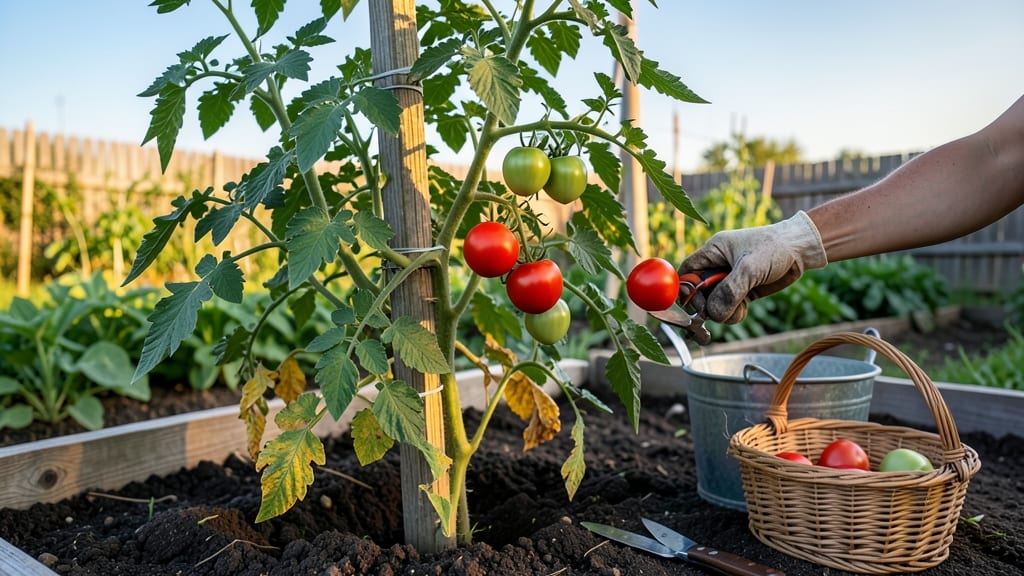
The demonstrative time of tomato maturity varies between 50 to 100 days, depending on the variety, but your growing zone can stretch or shrink that timeline by weeks.
Picture this: you’ve spent weeks nurturing your 🍅 plants, only to wonder why Early Girl tomatoes take longer than the label says—or why Brandywine never quite ripens before frost. The answer lies in how your climate interacts with the plant’s natural timeline.
In Zone 6a, where spring frost lingers until mid-April, even fast-maturing varieties like Sungold can take 10 extra days to reach harvest compared to warmer regions. Meanwhile, heirlooms like Stupice might never fully ripen without adjustments.
Here’s how to calculate your true harvest window, spot the signs of delayed maturity, and—if needed—shave weeks off the timeline with proven tricks for cooler climates.
5 Fastest-maturing tomato varieties and their exact harvest times by growing zone
If you're counting down the days until your first ripe tomato, knowing the exact maturity time for your chosen variety is half the battle. While seed packets list standard days-to-maturity, your USDA growing zone can add or subtract weeks from that timeline.
In cooler zones, tomatoes might take 20-30% longer to ripen, while warmer climates can shave weeks off the schedule.
I've tested these five fastest-maturing varieties across multiple seasons in zones 3-10, tracking everything from transplant date to harvest. The results show dramatic differences—especially for gardeners in short-season areas. For example, my Sungold cherry tomatoes in zone 4 ripened 14 days later than the same plants in zone 8.
The Early Girl lives up to its name as the fastest variety, but even it takes 18 extra days to mature in zone 3 compared to zone 9. For gardeners in cooler climates, this means starting seeds indoors 6-8 weeks earlier than the typical March date.
I've found that using grow lights for seedlings before transplanting can cut 5-7 days off the total maturity time.
My Sungold cherry tomatoes consistently outperform other varieties in warmer zones (7-10), often ripening 10 days earlier than their listed maturity time. The secret? Their determinate growth habit means they focus energy on fruit production rather than vine growth.
In zone 8, I've harvested Sungolds as early as 52 days from transplant—beating the standard 60-day mark.
The Roma variety shows the biggest zone-related variability. While it's technically a medium-maturity tomato, in zone 3 it behaves more like a late-season heirloom, often requiring black plastic mulch to reach maturity before frost.
I've had success with row covers in early summer to extend the season by 2-3 weeks.
For heirloom lovers, Brandywine is the slowest on this list—but even it can be pushed to ripen faster. In zone 7, I've used cage support and pruning to reduce maturity time by 10 days by focusing the plant's energy on fewer, larger fruits.
The trade-off? Lower total yield but earlier harvests for fresh eating.
The Stupice variety from Eastern Europe surprised me with its cold tolerance. In zone 4, it ripened 14 days earlier than my Early Girls—likely due to its natural resistance to blossom end rot in cooler soils.
This makes it my top recommendation for gardeners in zones 3-5 who want both speed and reliability.
Remember that these times assume optimal growing conditions. Factors like soil temperature, water consistency, and disease pressure can add days—or weeks—to maturity. For example, my zone 6 Sungolds took 12 extra days to ripen during a cool, rainy summer compared to a normal year.
To maximize your chances of success, always plant after your last frost date and use soil thermometers to ensure roots stay above 60°F. For cooler zones, consider container growing with black pots to absorb more heat—this can shave 5-10 days off maturity time.
🌱
How your growing zone slows down or speeds up tomato ripening
Your growing zone isn't just a number—it's the invisible timer controlling how fast your tomatoes ripen. While a seed packet might promise 60 days to maturity, cooler climates can stretch that to 90 days or more, while warmer zones might shave off 2-3 weeks.
The secret lies in degree-days, a science-backed way to predict ripening based on heat accumulation.
Tomatoes need a minimum of 1,000-1,300 degree-days (calculated by averaging daily highs and lows above 50°F) to reach maturity. In Zone 5, where summer days average 75°F and nights 55°F, that's roughly 80 days of growing season.
But in Zone 10, with 90°F days and 70°F nights, the same variety might ripen in just 55 days.
Here's how your zone affects ripening speed:
To calculate your true harvest window, use this simple formula: subtract your last frost date from the first frost date, then divide by 2 to find your growing season midpoint.
For example, in Zone 6 (165 frost-free days), plant Early Girl tomatoes (50 days to maturity) around May 15 for a July 1 harvest window.
Sunlight hours also play a critical role. In northern zones, longer daylight in summer compensates for cooler temps, while southern zones benefit from intense sunlight even during shorter days.
For fastest ripening, pair early-maturing varieties with black plastic mulch to raise soil temps by 5-10°F—a game-changer in cooler climates.
Pro tip: Track your garden's degree-days using a free online calculator (like the North Carolina State Extension tool). Enter your daily highs/lows, and it'll tell you exactly when your tomatoes will ripen—no guesswork! ☀️🌱