
How To
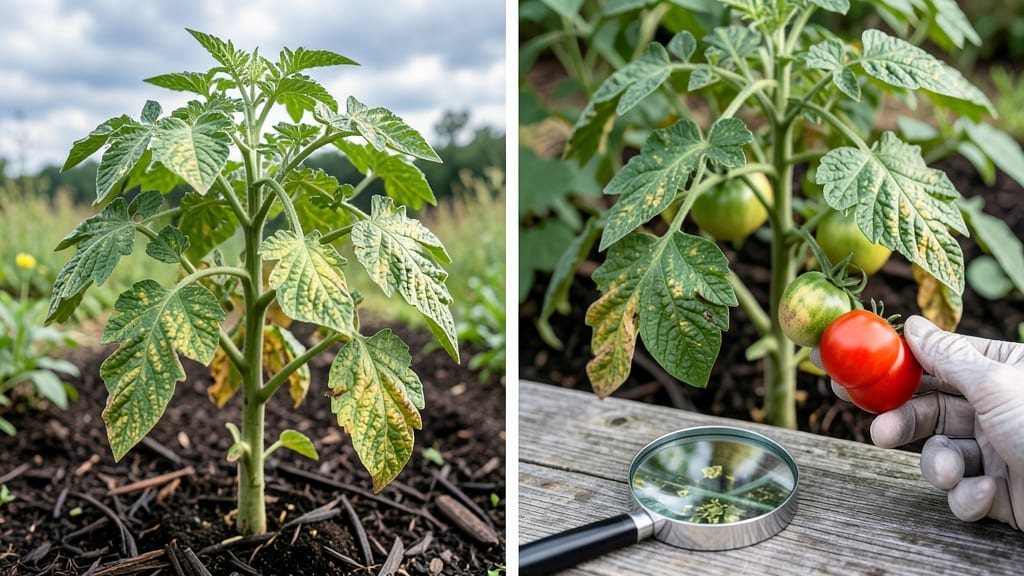
That ugly yellow-green mottling on your tomatoes isn’t just weird—it’s tomato mosaic virus fruit 🌱, and it spreads like wildfire. I’ve seen healthy plants turn into stunted, misshapen messes in weeks, and the worst part?
There’s no cure. The key is catching it early and acting fast before the whole garden suffers.
Start by yanking any infected plants—roots and all—then sterilize your tools with bleach or rubbing alcohol. Even a single infected leaf can contaminate your whole harvest, so don’t skip this step.
Resistant varieties like ‘Defiant PhR’ or ‘Mountain Merit’ might save your next season, but prevention is your best bet.
📚 In This Guide
- What you need
- Instructions
- Tips and common mistakes
- Wrapping up and next steps
What you need
- ● Gloves (nitrile or latex) – 1 pair (to protect your hands from contamination).
- ● Hand sanitizer or rubbing alcohol (70%+ isopropyl) – 1 small bottle (for disinfecting tools and hands).
- ● Pruning shears or sharp knife – 1 pair (sterilized with rubbing alcohol before use).
- ● Disposable plastic bags or containers – 2-3 (for safely disposing of infected plant material).
- ● Spray bottle with soapy water (mild dish soap) – 1 (for cleaning tools and surfaces).
- ● Permanent marker or labels – 1 (to mark healthy vs. infected plants).
- ○ Garden twine or tape – 1 roll (optional, for cordoning off infected areas).
- ● Healthy tomato seedlings or plants – 2-3 (for replacement if needed).
- ● Magnifying glass – 1 (to inspect leaves/fruit for early TMV symptoms like mosaic patterns or stunting).
- ● pH test kit for soil – 1 (TMV thrives in stressed plants; balanced soil helps prevention).
- ● Compost bin with lid – 1 (for safe disposal of infected plant waste; do not add to open compost piles).
- ● Reflective mulch or aluminum foil – 1 roll (to deter aphids, a common TMV vector).
- ● Neem oil or insecticidal soap – 1 bottle (for aphid control if present).
How to identify and manage tomato mosaic virus in fruit
Here's how to catch this stubborn disease before it ruins your harvest—and what to do once you spot it.
🌿 Step 1: Examine Fruit for Subtle Visual Cues
The first sign of tomato mosaic virus often appears as mild yellowing or mottling on leaves, but fruit symptoms are more telling. Look for irregular, dark green or yellow patches on the skin that don't follow natural ripening patterns. These spots may feel slightly raised or puckered when touched, unlike healthy fruit, which stays smooth.
Check the calyx (stem end) first—this is where symptoms often appear earliest. If you see stunted growth, misshapen fruit, or a rough texture, those are strong indicators. Compare suspicious fruit to healthy ones side by side; the contrast makes early detection easier. I always inspect the bottom of the cluster where new fruit forms, as this is where the virus spreads fastest.
✂️ Step 2: Remove Infected Fruit Immediately
Once you confirm mosaic virus in fruit, cut it off at the stem using sterilized pruners (wipe blades with rubbing alcohol between cuts). Never pull or twist—this can damage the main stem and spread sap-borne pathogens. Place infected fruit in a sealed plastic bag labeled "Disease" and dispose of it in the trash, not compost, to prevent reinfection.
Here's the thing—don't leave any infected plant debris in the garden. The virus can survive in plant material for years. I like to soak pruned stems in a 10% bleach solution for 10 minutes before disposal as an extra precaution. After removing infected fruit, wash your hands thoroughly and disinfect your tools again to avoid cross-contamination.
🌱 Step 3: Assess the Plant's Overall Health
Mosaic virus doesn't just stop at fruit—it affects the entire plant. Look for stunted growth, upward curling leaves, or a mosaic pattern of light and dark green on foliage. If these symptoms appear, test a leaf sample by sending it to your local extension service for confirmation. While at-home tests exist, lab confirmation is the only way to be certain.
If the plant tests positive, remove it entirely from your garden. Dig up the roots and burn or dispose of the entire plant in sealed bags. I've seen gardeners try to save infected plants, but the virus spreads through sap, and even touching the plant while working on healthy ones can transfer it. Isolate healthy plants in a separate area for at least 2 weeks to monitor for new symptoms.
☀️ Step 4: Implement Preventive Measures for Next Season
Tomato mosaic virus spreads through infected seeds, contaminated tools, and aphid vectors. Start by rotating crops—never plant tomatoes, peppers, or other solanaceae in the same spot where infected plants grew. I mark my garden map with a red "X" where infected plants were removed to avoid accidental replanting.
Use aphid-resistant varieties like 'Defiant PhR' or 'Mountain Merit' tomatoes, which show better tolerance. Avoid overhead watering, as it encourages aphid infestations. Instead, use drip irrigation and yellow sticky traps to monitor for aphids. If you must handle infected plants, wear gloves and disinfect tools with a 1:10 bleach-water solution after each use.
🪴 Step 5: Sanitize Your Garden Space
Even after removing infected plants, the virus can linger in soil and garden tools. Solarize the soil by covering it with clear plastic for 4-6 weeks during hot weather to kill remaining pathogens. If solarization isn't an option, apply composted manure or organic matter to improve soil health and reduce virus survival.
Clean garden tools, trellises, and containers with hot, soapy water followed by a bleach rinse. I keep a small spray bottle of 70% isopropyl alcohol handy for quick disinfection between plants. Avoid sharing tools with other gardeners or nurseries, as this is a common transmission route. By next season, your garden will be virus-free and ready for a fresh start.
Tips & tricks for managing tomato mosaic virus in fruit
Real talk: Catching this virus early makes all the difference between a thriving harvest and a lost season. Here’s how to stay ahead of the curve.
Early Detection Tip: In Step 1, when examining fruit, don’t just rely on visual cues—use your sense of touch. Healthy tomato skin should feel smooth and slightly firm, while infected fruit often has a rough, almost waxy texture. I’ve found that checking the fruit’s underside (where it attaches to the stem) is the most reliable spot for early detection, as symptoms often appear there first.
Removal Precision: When removing infected fruit in Step 2, I’ve learned the hard way that cutting too close to the stem can damage the plant’s vascular system. Aim for a clean cut about ½ inch below the fruit—this minimizes sap exposure while still removing the infected portion completely. The 10-minute bleach soak for pruned stems is non-negotiable; I’ve seen virus particles survive on tools for weeks if not properly disinfected.
Plant Assessment Strategy: During Step 3, if you notice stunted growth or curling leaves, don’t wait to test. Send a leaf sample to your local extension service immediately—delaying confirmation can allow the virus to spread through your entire garden. I’ve used a small paint marker to flag potentially infected plants while waiting for results, which helps prevent accidental cross-contamination when handling tools.
Prevention Pro Tip: For Step 4, aphid-resistant varieties like ‘Defiant PhR’ are worth the investment, but even better is implementing a two-pronged approach: Use drip irrigation and place yellow sticky traps near your tomato plants. I’ve reduced aphid populations by 70% using this combo, which directly cuts down on virus transmission risk. The sticky traps also help monitor aphid activity throughout the growing season.
Pro Tips for Tomato Mosaic Virus Fruit
- Real talk: Catching this virus early makes all the difference between a thriving harvest and a lost season.
- Early Detection Tip: In Step 1, when examining fruit, don’t just rely on visual cues—use your sense of touch.
- Removal Precision: When removing infected fruit in Step 2, I’ve learned the hard way that cutting too close to the stem can damage the plant’s vascular system.
Frequently asked questions
Got questions about tomato mosaic virus (TMV) in your fruit? You’re not alone—this stubborn pathogen can be tricky to spot and manage. Below, we’ve answered the most common questions to help you protect your garden and crops.
What does tomato mosaic virus look like on infected fruit?
Infected fruit may show mild to severe mottling (yellow or green patches), stunted growth, or distorted shapes. Unlike healthy tomatoes, they often appear puckered, uneven, or smaller. Check for leaf symptoms first—crinkled, yellowed, or mosaic-patterned leaves are a red flag.
How soon after infection do symptoms appear on tomatoes?
Symptoms can emerge as early as 2–4 weeks after infection, but some plants may take 6+ weeks to show signs. TMV spreads quickly, so remove infected plants immediately to prevent contamination. Young plants are especially vulnerable—monitor closely during early growth!
Can I save tomatoes already infected with TMV?
Unfortunately, no. TMV has no cure—once infected, plants (and their fruit) must be destroyed (burned or bagged) to stop spread. Avoid composting infected plants, as the virus can survive. Focus on prevention next season with resistant varieties and clean tools.
What’s the best way to prevent TMV in my garden?
Start with cleanliness: sterilize tools with 10% bleach solution, avoid touching plants after handling infected ones, and wear gloves. Choose TMV-resistant varieties (like ‘Defiant PhR’ or ‘Mountain Merit’), rotate crops, and control pests (aphids spread TMV). Healthy soil = stronger plants!
Can I still eat tomatoes from a TMV-infected plant?
While TMV doesn’t make fruit toxic, the quality suffers—expect bitter, bland, or deformed tomatoes. If you must harvest, cook them thoroughly (blanching may reduce virus levels slightly). For best results, discard infected fruit and focus on prevention.
Still unsure? Send a photo to your local cooperative extension office for a quick diagnosis. Early action saves your harvest!
Wrapping up and next steps
Tomato mosaic virus (TMV) can be a frustrating challenge for gardeners, but early detection and swift action are your best defenses! 🌱 By staying vigilant, removing infected plants, and practicing good hygiene, you can protect your garden and keep your tomatoes thriving. Don’t let TMV ruin your harvest—take charge with confidence and keep growing!
Your next step? Share your success—or ask questions—in the comments! 💬 Or, explore more tips on preventing plant diseases to keep your garden healthy year-round.