
Vegetables
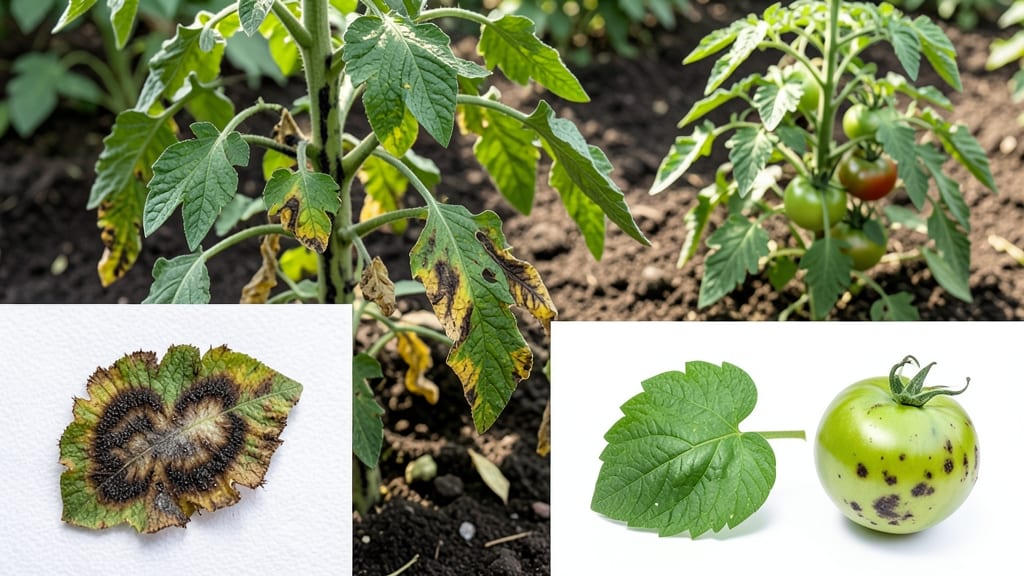
Alternaria tomato fruit rot can turn your hard-earned harvest into a sad, spotted mess—unless you know how to fight it. 🌱 I’ve lost entire tomato plants to this stubborn fungus, but I’ve also learned how to outsmart it with the right varieties, timing, and a few clever tricks that keep my tomatoes thriving even in humid summers.
The telltale signs—dark, sunken spots on leaves or stems, or fruit that rots before ripening—are easy to miss until it’s too late. The good news? Some tomato varieties naturally resist Alternaria, while simple cultural tweaks (like proper spacing and cleanup) can slash your risk by 80%.
I’ll show you exactly which varieties to plant and how to keep your garden healthy from the first seedling to the last harvest.
With the right approach, you’ll save more tomatoes than you lose—even in the worst seasons. We’re talking firm, unblemished fruit that ripens on the vine, not a sad pile of rejects.
The key is acting fast when you spot the first signs and giving your plants the support they need to fight back.
Whether you’re dealing with a fresh outbreak or just want to prevent future battles, these strategies work for home gardeners and small-scale growers alike. Let’s get those tomatoes growing strong and healthy—no fungus in sight!
Root Causes of Tomato Rot
Understanding why your tomatoes develop Alternaria fruit rot starts with peeling back the layers of environmental and biological factors that create the perfect storm for this fungal menace. Let’s break it down into the key culprits—because knowing the "why" is your first line of defense.
Tomatoes thrive in warm weather, but when temperatures climb above 85°F (29°C)—especially during fruit ripening—your plants become stressed. This stress weakens the tomato’s natural defenses, making it easier for Alternaria solani spores to latch on and infect the fruit.
- Why it happens:
- High heat disrupts the plant’s cuticle (its protective outer layer), creating tiny wounds where spores can enter.
- Humidity levels above 70% create a damp, sticky environment—ideal for fungal spores to germinate and spread.
- Poor air circulation (common in dense plantings or greenhouses) traps moisture against the fruit, accelerating infection.
💡 Pro Tip: If your area experiences prolonged heatwaves, consider shade cloth (30-50% coverage) to reduce stress without stifling growth. Mulching with straw or black plastic also helps regulate soil temperature and reduce splashing water onto fruits.
Water is essential, but how you water your tomatoes makes all the difference. Overhead irrigation (like sprinklers) or watering late in the day leaves droplets on leaves and fruit—essentially turning them into fungal buffets for Alternaria.
- Why it happens:
- Water droplets create a film of moisture on the plant surface, allowing spores to cling and infect.
- Wet foliage for prolonged periods (overnight) gives the fungus 24/7 access to penetrate the fruit.
- Splashing water from soil to leaves spreads spores from infected plant debris (like fallen leaves or stems) to healthy fruit.
💡 Pro Tip: Switch to drip irrigation or soaker hoses to deliver water directly to the soil. If you must water overhead, do it early in the morning so foliage has time to dry before evening.
Tomatoes love space—both above and below ground. When plants are overcrowded or pruned improperly, airflow stagnates, creating a humid microclimate where fungi flourish.
- Why it happens:
- Stagnant air prevents transpiration (the plant’s natural drying process), keeping moisture trapped near the fruit.
- Dense canopies block sunlight, weakening the plant’s immune response.
- Pruning too aggressively (or not at all) leaves wounds that serve as entry points for spores.
💡 Pro Tip: Space tomato plants 18-24 inches apart (or follow variety-specific guidelines). Prune suckers regularly to improve airflow, but avoid over-pruning—leave enough foliage to protect fruit from sun scald.
Even the toughest tomato varieties can fall prey to Alternaria if their skin is compromised. Physical damage—whether from hail, insects, or rough handling—opens the door for infection.
- Why it happens:
- Insects (like hornworms or aphids) chew on fruit, creating wounds.
- Hail or wind can bruise tomatoes, breaking the skin’s barrier.
- Overripe or cracked fruit (from uneven watering or soil moisture fluctuations) provides easy entry for spores.
💡 Pro Tip: Use row covers early in the season to protect against hail and pests. Harvest tomatoes gently and avoid stacking them in wet conditions—store them in a single layer with airflow.
Fungal spores are persistent. If your soil or gardening tools harbor Alternaria from previous seasons, your new plants are already at risk.
- Why it happens:
- Infected plant debris (like old tomato stems or leaves) left in the soil releases spores into the air or water.
- Reused tools (pruners, trellises, or stakes) can transfer spores from infected to healthy plants.
- Poor soil drainage keeps moisture levels high, encouraging fungal growth.
💡 Pro Tip: Practice crop rotation—don’t plant tomatoes (or other nightshades like peppers or eggplants) in the same spot for at least 3 years. Sterilize tools with 70% rubbing alcohol or a 10% bleach solution between uses.
How to Fix Fungal Fruit Issues
Fungal infections like Alternaria on tomato fruit can feel like a nightmare for gardeners, but don’t worry—there are practical, science-backed solutions to save your harvest. Below, we break down the root causes and match them with easy-to-follow fixes, plus prevention tips to keep your tomatoes healthy season after season.
Cause: Leaving infected tomatoes on the plant spreads spores, worsening the problem. Fix:
- 🍅🔪 Snip and toss: Use clean pruners to remove any fruit with dark, sunken spots or concentric rings (classic Alternaria signs). Place them in a sealed bag for disposal—never compost infected plant material.
- 🌱🚫 Sterilize tools: Wipe pruners with rubbing alcohol (70% or higher) between cuts to prevent cross-contamination.
- 🌿🌱 Prune lower leaves: Remove yellowing or diseased foliage near the soil to improve airflow and reduce humidity—a fungal buffet.
💡 Pro Tip: If the infection is severe, consider removing the entire plant and burning it (if safe) to stop the spread.
Cause: High humidity and poor airflow create the perfect breeding ground for Alternaria spores. Fix:
- 🌬️🌿 Space plants wisely: Give tomato plants 18–24 inches of space between rows. If growing in containers, ensure pots are at least 12 inches apart.
- 💨🌬️ Use fans: Place a small fan on a low setting near the plants to gently circulate air (especially in greenhouses or shaded areas).
- 🌞☀️ Optimize sunlight: Ensure tomatoes get 6–8 hours of direct sunlight daily. Shade cloth can help in scorching climates, but avoid excessive cover, which traps moisture.
✨ Prevention Hack: Mulch with straw or wood chips (not plastic) to keep soil moist but prevent splashing water onto leaves.
Cause: Fungal spores thrive when conditions are right—preventative sprays disrupt their lifecycle. Fix:
🌿 Organic Options (Safe for Edibles)
- 🍄💧 Copper fungicide: Mix 1 tbsp copper sulfate per gallon of water and spray every 7–10 days (start before symptoms appear). Copper disrupts fungal cell walls.
- 🌱🍃 Neem oil spray: Combine 1 tbsp neem oil + 1 tsp mild soap + 1 quart water. Spray weekly at dawn or dusk to avoid burning leaves. Neem oil smothers spores and inhibits growth.
- 🍅🌿 Baking soda spray: Mix 1 tsp baking soda + 1 quart water + a few drops of dish soap. Spray every 5–7 days—the alkaline environment fights fungi.
💊 Chemical Solutions (For Severe Cases)
- 🍄🔬 Chlorothalonil (e.g., Daconil): Follow label instructions for tomato-safe use. Apply every 10–14 days during wet conditions.
- 🛡️🍅 Azoxystrobin (e.g., Quadris): A systemic fungicide that penetrates plant tissue. Use as a preventative before symptoms appear.
🔥 Warning: Always wear gloves and a mask when applying chemicals. Rotate between organic and chemical sprays to prevent resistance.
Cause: Some tomato varieties are naturally more resistant to Alternaria, while planting the same crop yearly exhausts soil defenses. Fix:
- 🍅🌟 Plant resistant hybrids: Varieties like ‘Mountain Merit,’ ‘Defiant PhR,’ or ‘Heatmaster’ are bred to tolerate fungal diseases.
- 🌾🔄 Rotate crops: Avoid planting tomatoes (or nightshades like peppers/eggplants) in the same spot for 3+ years. Alternaria spores linger in soil.
- 🌱💨 Interplant with repellents: Grow marigolds, basil, or garlic nearby—they deter pests and improve soil health.
🎯 Long-Term Strategy: Keep a garden journal to track where you plant tomatoes each year and note any fungal outbreaks.
Cause: Overhead watering splashes spores onto leaves and fruit, accelerating infection. Fix:
- 💦🌱 Use drip irrigation or soaker hoses: Water at the base of plants, keeping leaves dry.
- 🕒⏰ Water early: Irrigate before 10 AM so foliage has time to dry in the sun.
- 🌧️🌿 Avoid wetting leaves: If overhead watering is unavoidable, use a nozzle with a fine mist setting and aim for the soil.
🌡️💡 Heat Tip: Mulch with black plastic or landscape fabric to warm soil and reduce surface moisture.
Cause: Poor soil health weakens plants, making them susceptible to fungal attacks. Fix:
- 📊🌱 Test soil pH: Aim for 6.0–6.8 (slightly acidic). Use lime to raise pH or sulfur to lower it if needed.
- 💪🌿 Add compost: Mix in 2–3 inches of well-aged compost before planting to boost beneficial microbes.
- 🍄🛡️ Use beneficial microbes: Sprinkle mycorrhizal fungi or Trichoderma granules into the soil to outcompete harmful pathogens.
Final Thought: Combining preventative care (resistant varieties, airflow, and smart watering) with targeted treatments (copper sprays, neem oil) gives you the best shot at a fungus-free tomato harvest. Start early, stay consistent, and your plants will thank you with juicy, disease-free fruit! 🍅✨
Frequently asked questions
What do Alternaria spots look like on tomato fruit?
Alternaria-infected tomatoes develop dark brown to black, sunken spots that often have concentric rings (like bullseye patterns). These spots may appear dry and leathery rather than soft and mushy like other rots. Check the stem end first—this is where spores often enter.
Can I still eat tomatoes with Alternaria spots?
Small, superficial spots can be cut off, but never eat fruit with deep lesions or concentric rings—these indicate systemic infection. For safety, discard any fruit showing signs of Alternaria. The fungus produces toxins that can cause digestive issues if consumed.
How fast does Alternaria spread on tomato plants?
Under ideal conditions (high humidity and warm temperatures), Alternaria can spread within 3-5 days from initial infection. The fungus thrives when nights stay above 70°F (21°C) and leaves remain wet for prolonged periods. Early detection is critical—remove infected leaves immediately to slow spread.
Will homemade sprays really prevent Alternaria?
Yes! Baking soda spray (1 tsp baking soda + 1 quart water + dish soap) or neem oil (1 tbsp neem + 1 tsp soap + 1 quart water) can reduce Alternaria by 50-70% when applied weekly. For best results, spray at dawn or dusk and avoid wetting leaves if possible.
Can I save a tomato plant already infected with Alternaria?
It depends on the severity. For early-stage infections, prune all infected leaves/fruit, improve airflow, and apply fungicide. If 50%+ of the plant is affected, removal may be best to prevent spread. Always sterilize pruners between cuts to avoid cross-contamination.