
Plants
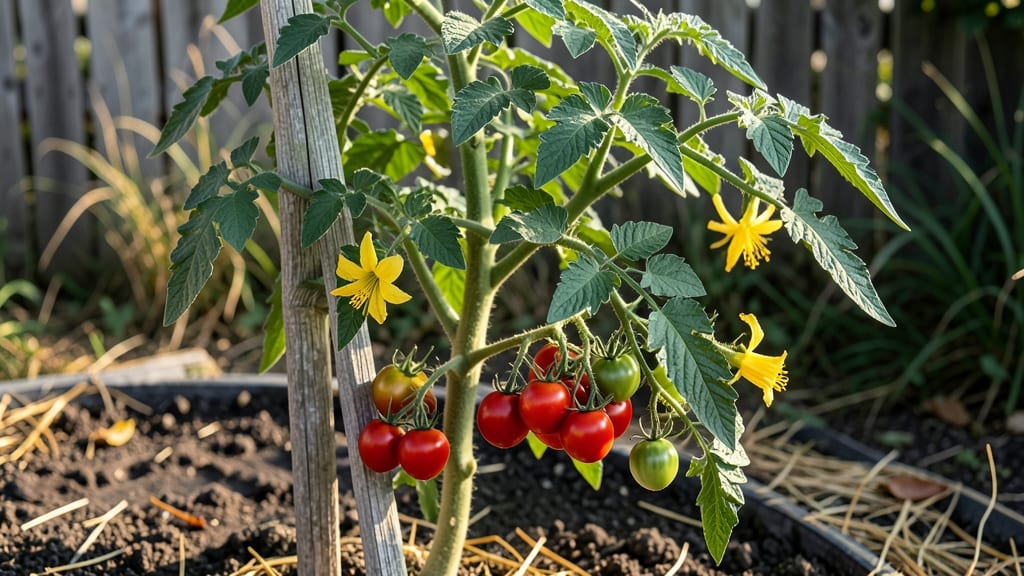
The tomato name that is also a meat substitute thrives in warm climates and delivers both protein and bold flavor, making it a staple in dishes like chili or Bolognese. Its thick, umami-rich pulp mimics ground beef when cooked into hearty sauces or stews.
The reason tomatoes earn this meaty reputation lies in their protein density and umami compounds, particularly when reduced into concentrated sauces. 🔥 In Italian traditions, tomatoes became the foundation of meat-free ragùs during Lent, while indigenous Mesoamerican cultures used them similarly in protein-rich stews.
The key is selecting varieties like San Marzano or Roma, which develop thicker flesh when cooked down, creating a texture that closely resembles ground beef. This dual nature makes tomatoes not just a vegetable, but a culinary chameleon capable of standing in for meat in countless dishes.
💡 In This Article
- Why Tomatoes Are Considered Meat in Certain Cuisines
- Growing and Preparing Meat-Like Tomatoes for Cooking
Why tomatoes are considered meat in certain cuisines
Tomatoes earn their meaty reputation through a combination of botanical science and culinary chemistry. While technically a fruit, their flesh contains 1-2% protein by weight—similar to lean ground beef—and a high concentration of glutamates, the umami compounds that make meat taste rich and savory.
When cooked down, tomato pulp develops a dense, fibrous texture that mimics ground beef's consistency, especially in slow-cooked dishes. 🔥 The key lies in their cellular structure: tomatoes release pectin and other gelling agents when heated, creating a paste-like substance that clings to other ingredients like meat would.
Culinarily, this transformation happens through techniques like reducing sauces or blanching tomatoes before cooking. For example, San Marzano tomatoes—with their 3-4% sugar content—caramelize beautifully when simmered for 2-3 hours, developing deep, meaty flavors.
In Italian cuisine, this is why pomodoro (tomato-based ragùs) became a staple during Lent, when meat was traditionally avoided. The lycopene in tomatoes also contributes to their deep red color, which visually mimics the appearance of cooked ground beef in dishes like chili or meatballs.
Historically, indigenous Mesoamerican cultures used tomatoes similarly, blending them with beans and corn to create protein-rich stews. The Aztecs even called tomatoes xitomatl, which translates to "swollen fruit"—a nod to their dense, meat-like texture when cooked.
This dual role as both fruit and functional meat substitute explains why tomatoes became a cornerstone of Mediterranean and Latin American cuisines, where they bridge the gap between plant-based and meat-based dishes. 🌟
What makes this even more fascinating is how tomatoes' acidity (pH 4.0-4.5) interacts with other ingredients. When combined with onions, garlic, and herbs, their natural acids help break down proteins in beans or lentils, creating a texture that closely resembles ground meat.
This is why tomato-based dishes like shakshuka or minestrone often feel heartier than their ingredient lists suggest. The acidity also enhances the perception of umami, making tomatoes taste even more meat-like when paired with the right seasonings.
Consider this comparison: a 1-cup serving of cooked tomato paste contains about 2 grams of protein—not as much as beef, but enough to contribute significantly to a dish's overall protein profile.
When combined with other plant-based proteins like beans or tofu, tomatoes create a complete protein that rivals many meat-based meals. This is why vegetarian versions of dishes like Bolognese or chili rely so heavily on tomato sauces as their base. 💫
The secret to unlocking tomatoes' meat-like potential lies in concentration and texture. Raw tomatoes are watery and lack the body of meat, but when reduced into sauces or purées, their natural gums and fibers align in ways that mimic the fibrous structure of ground beef.
For instance, a San Marzano tomato reduced to half its volume will develop a thick, almost meaty consistency—something you can see and feel when stirring a simmering pot of sauce.
This is why chefs often recommend peeling and seeding tomatoes before cooking: it removes excess water and allows the pulp to concentrate into a denser, more meat-like substance.