
Vegetables
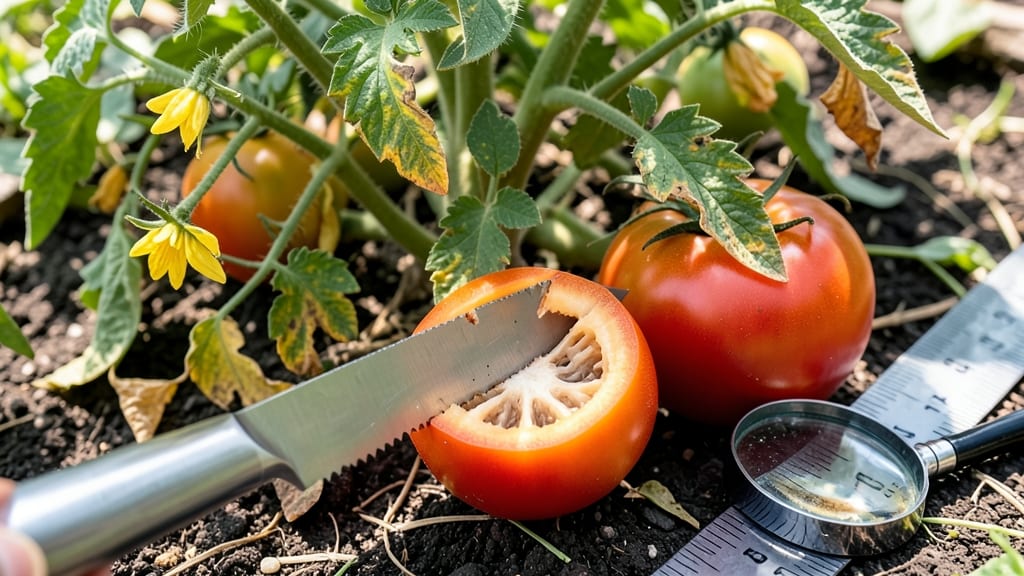
Your tomatoes are ripening—until you slice them open and find black, mushy centers. 🌱 That’s tomato pith necrosis, a frustrating but preventable issue that ruins fruit from the inside out.
I’ve salvaged dozens of tomatoes from this problem, and the key is catching it early and adjusting your growing habits before it spreads.
The blackened, hollow centers appear when bacteria or fungi invade through wounds, overripe fruit, or poor air circulation. Hot, humid weather makes it worse, and once it starts, it’s impossible to fix—only prevent.
The good news? You can stop it before it begins with simple adjustments to watering, pruning, and even which varieties you grow.
Start by removing infected fruit immediately and disinfecting pruners with rubbing alcohol. Choose varieties like ‘Mountain Merit’ or ‘Better Boy,’ which resist rot better, and space plants for airflow.
If you catch it early in the season, you can still salvage some fruit by harvesting firm, unblemished tomatoes before they overripe.
This isn’t a death sentence for your tomato plants—it’s a wake-up call to tweak your care routine. With these steps, you’ll enjoy juicy, cavity-free tomatoes all season long. Let’s get your harvest back on track.
Root Causes Of Core Rot
When your tomatoes develop a hollow, discolored center—often mistaken for overripe flesh—it’s usually a sign of pith necrosis. This condition doesn’t happen by chance; it’s the result of specific environmental, cultural, or physiological stresses.
Understanding these triggers is the first step to prevention. Let’s break down the key culprits and why they lead to a compromised tomato core.
Tomatoes are warm-season plants, but they have limits. When temperatures swing too high or too low during critical growth stages—especially fruit set and ripening—cells in the pith (the spongy center) start to break down.
- Heat Stress: Temperatures above 90°F (32°C) for prolonged periods disrupt enzyme activity, leading to oxidative damage in the fruit’s core. High heat also accelerates ethylene production, a natural plant hormone that can trigger premature senescence (aging) in the pith.
- Cold Stress: Nighttime temps below 50°F (10°C) can cause chilling injury, where cell membranes become leaky. This leads to waterlogging in the pith, creating the perfect conditions for necrosis.
- Fluctuating Temps: Rapid shifts (e.g., hot days and cool nights) confuse the plant’s metabolism, causing uneven ripening and internal collapse.
Actionable Fix: Use shade cloth in peak summer or row covers in early spring. Mulch with straw or black plastic to stabilize soil temps.
Water is life—or death—for tomatoes. Too much or too little disrupts the plant’s ability to transport nutrients and oxygen to the fruit’s core.
- Overwatering: Excess moisture drowns root cells, reducing oxygen availability. This leads to anaerobic conditions in the pith, where cells suffocate and turn brown.
- Underwatering: Drought stress forces the plant to prioritize leaf survival over fruit development. The pith becomes desiccated (dried out), losing structural integrity.
- Inconsistent Watering: Uneven moisture levels cause cracking and uneven ripening, creating entry points for pathogens that worsen necrosis.
Actionable Fix:
- Water deeply 1–2 times per week (1–1.5 inches total), aiming for the roots, not the leaves.
- Use drip irrigation or soaker hoses to avoid wetting foliage, reducing disease risk.
- Mulch heavily to retain soil moisture and prevent temperature swings.
The pith’s health depends on a balanced diet of nutrients. Too much or too little of certain elements throws the fruit’s development off-kilter.
- Calcium Deficiency: Calcium is the glue that holds cell walls together. Without enough (often due to high nitrogen or poor soil pH), the pith becomes soft and prone to collapse. This is why the condition is sometimes called "blossom-end rot’s sneaky cousin."
- Potassium Overload: Excess potassium can displace calcium in plant tissues, worsening pith weakness. This often happens with heavy fertilizer use or manure-heavy soils.
- Magnesium or Boron Shortages: These minerals help regulate enzyme activity in fruit development. Deficiencies lead to poor cell structure and necrosis.
Actionable Fix:
- Test your soil and amend with gypsum (calcium sulfate) if levels are low.
- Avoid high-nitrogen fertilizers during fruiting; switch to a balanced 5-10-10 or calcium-rich fertilizer.
- Add compost or worm castings for slow-release nutrients.
While pith necrosis is often physiological (not infectious), certain pathogens exploit stressed plants to accelerate rot.
- Fungal Infections: Pathogens like Fusarium or Phytophthora thrive in waterlogged soils and wounded fruit. They release enzymes that digest the pith’s cell walls, turning it to mush.
- Bacterial Soft Rot: Bacteria such as Erwinia enter through cracks or sunscald, fermenting the pith and producing foul odors.
- Viral Damage: Viruses like Tomato Bushy Stunt Virus disrupt the plant’s vascular system, starving the pith of nutrients and leading to necrosis.
Actionable Fix:
- Rotate crops to break disease cycles; avoid planting tomatoes in the same spot yearly.
- Use copper fungicides or bacillus-based sprays preventatively.
- Remove and destroy infected fruit immediately to prevent spread.
Not all tomatoes are created equal. Some varieties are genetically predisposed to pith necrosis, especially under stress.
- Heirloom & Indeterminate Types: Varieties like Brandywine or Cherokee Purple often have thicker pith but are more prone to collapse under heat or water stress.
- Hybrid Vulnerabilities: Some commercial hybrids are bred for high yield or disease resistance but sacrifice pith stability.
- Overripe or Harvested Too Late: Even healthy tomatoes left on the vine past peak ripeness will develop internal breakdown.
Actionable Fix:
- Choose pith-resistant varieties like Solar Fire or Mountain Merit if necrosis is recurrent.
- Harvest tomatoes when they’re fully colored but still firm (usually 70–80% ripe for best storage).
- Avoid overcrowding plants, which increases competition for nutrients and stress.
Fixing Tomato Pith Problems
If your tomatoes are developing soft, blackened centers or pith necrosis, don’t panic—this issue is often reversible with the right care. The key is identifying the root cause (whether it’s overwatering, uneven ripening, or poor pollination) and applying targeted fixes.
Below, we break down practical solutions for each common trigger, plus preventive tips to keep your next harvest healthy.
If your tomatoes are soggy at the core or wilting despite damp soil, they’re likely suffering from waterlogging or inconsistent moisture. Here’s how to correct it:
- 💧 Adjust Your Watering Routine
- Water deeply once or twice a week (depending on climate) rather than daily shallow sprinkles.
- Aim for 1–1.5 inches of water per week, delivered at the base of the plant (avoid wetting leaves to prevent disease).
- Use a moisture meter or the "finger test" (stick your finger 2 inches into the soil—if it’s dry, water).
- 🌱 Improve Soil Drainage
- Amend heavy clay soil with compost, perlite, or coconut coir to boost aeration.
- Raise containers off the ground if using pots to prevent water pooling.
- Pro tip: If your soil stays soggy for days, consider mulching with straw to regulate moisture and temperature. 🌡️
- 🌿 Prune for Better Airflow
- Remove lower leaves touching the soil to reduce humidity and fungal risks.
- Thin out crowded foliage to let air circulate—this helps excess moisture evaporate faster.
Tomatoes with green shoulders or patchy ripening often develop pith necrosis because they’re physiologically stressed from uneven sugar distribution. Try these fixes:
- 🍎 Boost Calcium for Cell Strength
- Calcium deficiencies weaken cell walls, making tomatoes prone to breakdown. Apply:
- Crushed eggshells (bake and grind) or calcium-rich compost around the base.
- A foliar spray of calcium nitrate (1 tsp/gallon of water) every 2 weeks.
- Pro tip: Water plants consistently—fluctuating moisture levels worsen calcium uptake. 💧
- Calcium deficiencies weaken cell walls, making tomatoes prone to breakdown. Apply:
- 🌞 Optimize Sunlight and Heat
- Move containers to a sunnier spot (tomatoes need 6–8+ hours of direct sun).
- Use black plastic mulch to warm soil faster in cool climates.
- If nights are chilly (<50°F/10°C), cover plants with frost blankets to prevent stunted growth.
- 🍅 Hand-Pollinate for Even Ripening
- If your tomatoes aren’t setting fruit well, gently shake plants in the morning or use a small brush to transfer pollen between flowers.
- Pro tip: Remove small, underdeveloped tomatoes to redirect energy to larger, healthier ones. ✨
If your tomatoes are small, misshapen, or rotting at the blossom end, they’re likely starving for key nutrients. Here’s how to feed them right:
| Symptom | Likely Cause | Solution |
|---|---|---|
| Blossoms drop before fruiting | Calcium or boron deficiency | Side-dress with:
|
| Leaves yellowing (especially older ones) | Nitrogen deficiency | Feed with:
|
| Stunted growth, weak stems | Phosphorus/potassium imbalance | Use:
|
Pro tip: Test your soil’s pH—tomatoes thrive in 6.0–6.8. If your soil is too acidic, add lime; if too alkaline, mix in sulfur or peat moss. 📊
Once you’ve revived your current crop, set yourself up for success with these long-term strategies:
- 🌱 Choose the Right Varieties
- Opt for determinate tomatoes (bush types) if you struggle with overwatering—they ripen faster and handle stress better.
- Avoid large heirlooms (like Beefsteak) in hot climates—they’re prone to pith necrosis.
- 📅 Plant at the Perfect Time
- Start seeds 6–8 weeks before last frost and transplant after soil reaches 60°F (15°C).
- In warm climates, use shade cloth during peak summer to prevent sunscald.
- 🌿 Monitor and Maintain
- Weigh your tomatoes occasionally—healthy ones should feel firm, not mushy.
- Harvest promptly when fully colored (even if slightly underripe) to prevent internal breakdown.
- Rotate crops yearly to avoid depleting soil nutrients.
With these fixes, your tomatoes should bounce back with juicy, pith-free flesh in no time. And remember: the best cure is consistent care—soil, water, and nutrients all play a part! 🍅✨
Frequently asked questions
Can I still eat tomatoes with pith necrosis?
Only if the affected area is small and the rest of the tomato is firm and ripe. Cut out the blackened center completely—it’s inedible—and enjoy the surrounding flesh. Discard any tomatoes with extensive internal rot or foul odors, as they may harbor harmful bacteria.
Why do some tomato varieties get pith necrosis more often?
Heirloom and large-fruited varieties like Beefsteak or Brandywine are more susceptible because their thick pith requires perfect growing conditions. Smaller, hybrid types (e.g., 'Mountain Merit') often handle heat and moisture stress better. Choose compact or disease-resistant varieties if you live in hot climates.
Will pruning my tomato plants help prevent pith necrosis?
Pruning improves airflow and reduces humidity around fruit, which prevents fungal infections that worsen necrosis. Remove lower leaves touching soil and thin crowded branches—this also helps direct energy to fewer, healthier tomatoes. Prune in the morning for best results.
How can I tell if my tomato plant has a nutrient deficiency?
Check the leaves: yellowing older leaves (especially between veins) signal nitrogen deficiency, while brown leaf edges indicate potassium issues. For calcium deficiency (common with pith necrosis), look for blossom-end rot on fruit. Test your soil and amend with compost or specific fertilizers like crushed eggshells for calcium.
Is pith necrosis contagious between plants?
No, it's not contagious—but stressed plants are more vulnerable to secondary infections. Remove and destroy infected fruit immediately to prevent bacterial/fungal spread. Disinfect pruners with rubbing alcohol between cuts, and practice crop rotation to break disease cycles in your garden.