
Pests
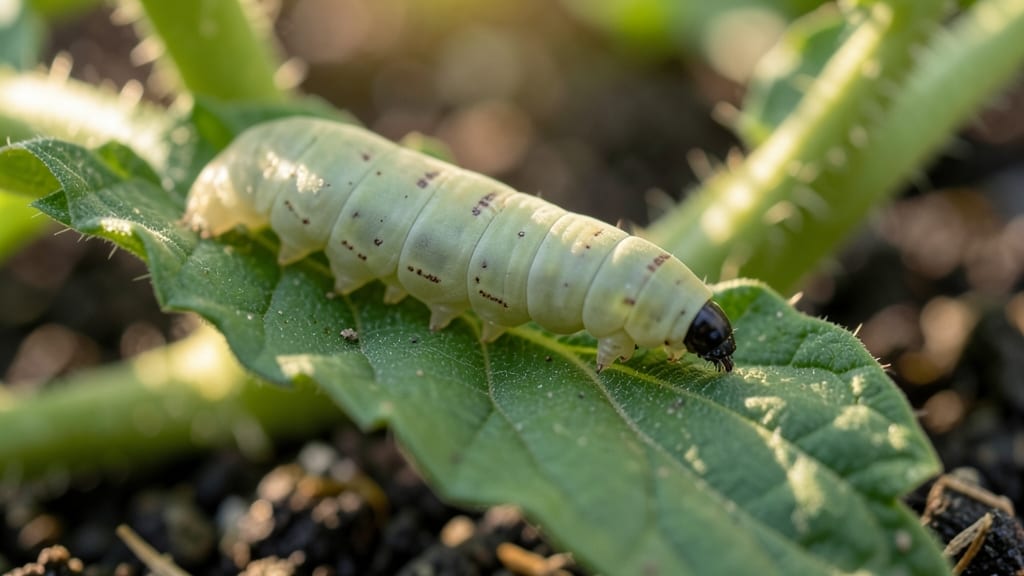
Tomato plant grubs are the silent harvest thieves—tiny, destructive, and impossible to spot until your plants look like they’ve been chewed by a swarm. 🌱 I learned the hard way when my prized heirloom tomatoes turned into a grub buffet, leaving behind ragged leaves and wilted stems.
The damage starts at the roots, where these pale, legless larvae munch on roots and stems, starving your plants from within.
You’ll know you’ve got grubs if your tomato plants suddenly wilt despite regular watering, or if you see sawdust-like frass (insect droppings) around the base. The worst part? These pests thrive in moist soil, so they’re often hidden until the damage is done.
The good news? Organic sprays like neem oil or insecticidal soap can disrupt their life cycle without harming your plants or the environment.
Prevention is your best bet—crop rotation, companion planting with basil or marigolds, and keeping your garden free of debris where grubs hide. If you catch an infestation early, hand-picking larvae (yes, it’s gross but effective) or applying beneficial nematodes can save your harvest.
The key is acting fast before the grubs turn your thriving plants into sad, stunted shadows.
For stubborn cases, a mix of diatomaceous earth and milk spray (yes, milk!) can deter grubs naturally. If your garden is overrun or the problem keeps coming back, it might be time to call in a local pest control expert who specializes in organic solutions.
The goal? A worm-free harvest that tastes as good as it looks.
Hidden Invaders Behind Your Tomato Troubles
When your tomato plants look like they’ve been through a grub attack, the culprits are often tiny but mighty pests lurking beneath the soil or inside the foliage. Understanding why these pests target your plants is the first step to reclaiming your garden.
Let’s dig into the science behind these unwelcome visitors and why they turn your thriving tomatoes into a buffet.
Many of the grubs ravaging your tomato roots are the larval stages of beetles—like the Japanese beetle or colorado potato beetle. These pests lay eggs in warm, moist soil, and once hatched, the larvae (grubs) feast on roots and lower stems. Here’s why they thrive:
- Rich, Organic Soil: Grubs adore nutrient-dense soil, especially if it’s amended with compost or manure. The more organic matter, the more appealing it is to their delicate palates.
- Overwatered Beds: Consistently soggy soil creates the perfect nursery for grubs. They can’t survive in dry conditions, so excess moisture keeps them happy—and hungry.
- Lack of Beneficial Predators: Healthy soil teems with natural enemies like nematodes, ground beetles, and birds. If these predators are missing, grub populations explode unchecked.
Pro Tip: 💡 Test your soil’s moisture levels—grubs love it when it’s damp but not waterlogged. Aim for 1 inch of water per week (including rainfall) and improve drainage with sand or gravel.
Some “grubs” are actually caterpillars—like the hornworm or tomato fruitworm—that chew through leaves, stems, and even fruits. These pests don’t burrow; they invade from above. Here’s their game plan:
- Young, Tender Plants: New tomato seedlings are a caterpillar’s dream because their soft leaves are easy pickings. Older plants with tougher foliage are less appealing.
- Scent Attraction: Tomato plants release volatile organic compounds (VOCs) when stressed or damaged. These scents call in moths that lay eggs, leading to a caterpillar infestation.
- Warm, Humid Climates: Caterpillars thrive in heat and moisture. If your garden is a steamy jungle, you’re basically rolling out the red carpet for them.
Pro Tip: ✨ Disrupt their life cycle by removing egg masses (tiny green clusters on undersides of leaves) and handpicking caterpillars in the early morning when they’re sluggish.
Not all grubs are beetle larvae—some are microscopic nematodes, tiny worms that penetrate roots, causing galls (knobby growths) that strangle your plant’s ability to absorb water and nutrients. These pests are sneaky because:
- They Hitchhike on Tools/Plants: Nematodes survive in soil for years and can be spread via contaminated gardening tools, water, or even wind.
- They Target Weakened Plants: Stressed tomatoes (from drought, poor soil, or disease) are more susceptible to nematode attacks.
- They Thrive in Monocultures: Planting tomatoes in the same spot year after year gives nematodes a permanent buffet. They specialize in tomato roots!
Pro Tip: 🌡️ Solarize your soil in late summer: Cover beds with clear plastic for 4–6 weeks to bake nematodes out of the soil (temperatures above 104°F kill them).
Now that you know who’s behind the damage, the next step is organic solutions to evict them for good. Stay tuned!
Quick Fixes for Tomato Plant Grubs
Got hungry pests munching on your tomatoes? Don’t panic—these organic, actionable solutions will help you reclaim your garden without harsh chemicals. Below, we’ve matched common causes of tomato plant grubs (like cutworms, hornworms, and root maggots) to easy, effective fixes—plus prevention tips to keep your plants thriving.
Before treating, spot the signs:
- Holes in leaves? Likely hornworms or beetles.
- Wilted stems at soil level? Cutworms or root damage.
- Yellowing leaves or stunted growth? Root maggots or grubs feasting underground.
Pro tip: 🌡️ Check at dawn or dusk—many grubs hide during the day but become active when it’s cooler.
👨🍳 Spicy pepper spray (for above-ground grubs)
Cause: Hornworms, beetles, or aphids. Fix: Blend 1 tbsp cayenne pepper + 1 tsp dish soap + 1 quart water. Strain, pour into a spray bottle, and coat leaves (avoid spraying flowers to protect pollinators).
Reapply every 3–4 days until pests vanish. Why it works: Capsaicin irritates soft-bodied insects, making them flee.
🥘 Neem oil solution (for eggs & larvae)
Cause: Cutworms, root maggots, or early-stage grubs. Fix: Mix 1 tbsp neem oil + 1 tsp mild castile soap + 1 quart water.
Spray under leaves and at the base of stems. Repeat weekly for 2–3 weeks. Pro tip: 🌿 Apply in the evening to avoid harming bees.
🔪 Diatomaceous earth (DE) barrier (for root & soil grubs)
Cause: Root maggots, grubs tunneling underground. Fix: Sprinkle food-grade DE (like Safer Brand) 1–2 inches deep around plant bases and in furrows.
Reapply after rain. Warning: DE loses potency when wet—keep it dry! Bonus: DE also deters slugs and ants.
🕷️ Handpick & drop (for large grubs)
Cause: Hornworms, cutworms, or beetles. Fix: Wear gloves, pluck pests into a soapy water bucket (1 tbsp dish soap + water) or drop them in a jar of soapy water.
Do this early morning when grubs are sluggish. Speed tip: 🎯 Use a flashlight at night—many grubs hide in leaves but become visible with light.
🥫 Beer traps (for cutworms & slugs)
Cause: Cutworms burrowing at soil level. Fix: Bury a small container (like a yogurt cup) filled with beer 1 inch deep near plants. The scent attracts grubs, which drown. Replace every 2–3 days.
🌱 Beneficial nematodes (for underground grubs)
Cause: Root maggots or grubs in the soil. Fix: Apply beneficial nematodes (like Steinernema carpocapsae) to moist soil.
These microscopic worms paralyze and kill grubs within 48 hours. Water lightly after application. Best time: 🌱 Early morning or late evening to keep soil moist.
💡 Companion planting (prevent future infestations)
Cause: Grubs thrive where tomatoes are isolated. Fix: Plant basil, marigolds, or nasturtiums nearby—their strong scents repel pests. Basil also improves tomato flavor! Layout tip: 🌿 Interplant every 2–3 feet for maximum protection.
- 🌱 Rotate crops—don’t plant tomatoes in the same spot yearly.
- 🌡️ Mulch with straw or grass clippings—this confuses grubs’ scent trails.
- 🌿 Keep garden beds weed-free—grubs love weeds as much as tomatoes!
- 🕰️ Plant early or late—avoid peak grub season (late spring to early summer).
- 💦 Water deeply but less often—grubs hate dry soil.
Final note: Consistency is key! Grubs return if you stop treatments midway. Check plants weekly and act fast—your tomatoes will thank you with juicy, pest-free harvests! 🍅✨
Frequently asked questions about tomato plant grubs
How do I tell if my tomato plants have grubs?
Look for wilted stems, ragged leaves, or sawdust-like frass (insect droppings) at the base. Check roots for pale, legless larvae or holes in stems. Early signs include yellowing leaves or plants that collapse when pulled gently—grubs weaken roots first.
What’s the fastest organic way to kill grubs already in my soil?
Apply beneficial nematodes (like Steinernema carpocapsae)—they kill grubs in 48 hours. For immediate results, sprinkle diatomaceous earth around plant bases (reapply after rain). Both methods are chemical-free and safe for your garden.
Can I use coffee grounds to repel tomato grubs?
Yes! Coffee grounds deter grubs while improving soil. Mix 1 cup per plant into the top 2 inches of soil. The caffeine disrupts their feeding patterns, and the gritty texture irritates their bodies. Reapply every 2–3 weeks for best results.
Why do grubs keep coming back even after treatment?
Grubs thrive in moist, organic soil—overwatering or compost-heavy beds attract them. Reduce irrigation to 1 inch per week, rotate crops, and remove weeds (their favorite hiding spots). Repeat treatments every 2–3 weeks during peak grub season (late spring to summer).
Are grubs harmful if I accidentally eat them?
No—grubs are not toxic to humans. They’re the larval stage of beetles (like Japanese beetles) and pose no health risks. However, they can contaminate soil and reduce plant health, so always treat infestations to protect your harvest.