
Pests
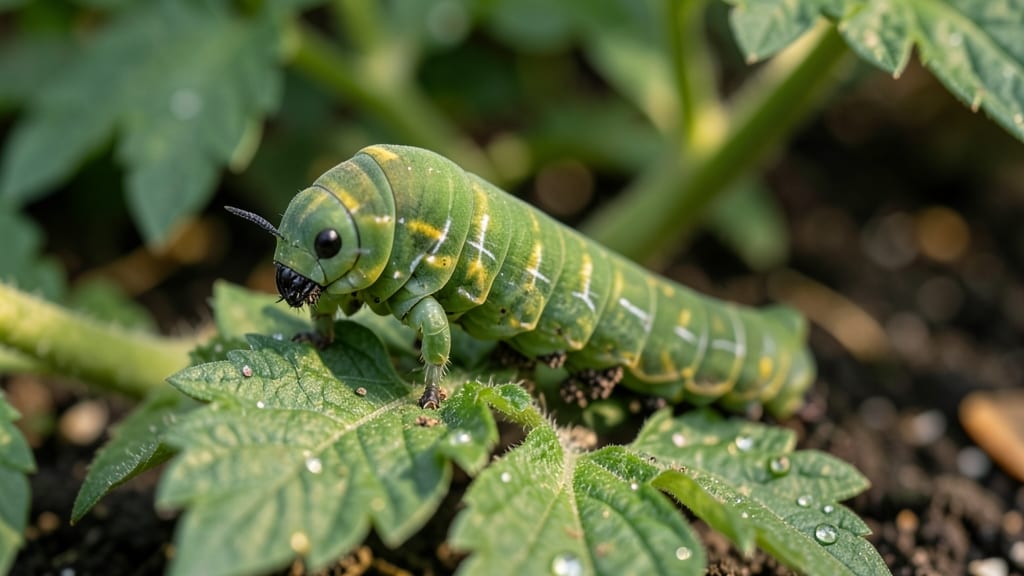
Finding tomato plant caterpillars munching your harvest is every gardener’s nightmare—but it doesn’t have to be a total loss. ✨ I’ve battled hornworms and loopers for years, and these three simple steps keep my plants thriving without harsh chemicals. The key? Acting fast and using nature’s own pest control.
Most caterpillars strike when plants are lush and healthy, so prevention starts with strong, balanced growth. A quick daily scan at dawn or dusk catches them early, before they skeletonize your leaves. I’ve saved entire plants by spotting just one egg mass—here’s how to do it too.
By the end of this, you’ll have a foolproof system to protect your tomatoes organically. No more wilted, chewed plants—just plump, red fruit ready to pick. The best part? These methods work for other veggies too, like peppers and eggplants.
Let’s tackle this step by step—your garden (and your tomatoes) will thank you.
Behind The Caterpillar Invasion
If your tomato plants are suddenly sporting chewed leaves, silken webs, or tiny, wriggly caterpillars, you’re not imagining things—these pests are deliberately targeting your garden. But why do they show up in the first place?
The answer lies in a mix of natural behaviors, environmental cues, and plant vulnerabilities. Understanding these triggers is the first step to outsmarting them. Let’s break down the key reasons your tomato plants become caterpillar buffets.
Caterpillars—especially hornworms and tomato fruitworms—are drawn to tomato plants like a steakhouse calls a hungry lion. Here’s why:
- Rich Nutrition: Tomato plants are packed with nitrogen, sugars, and proteins that caterpillars crave. A thriving tomato plant is essentially a five-star caterpillar restaurant.
- Volatile Compounds: When tomato leaves are damaged (even slightly), they release volatile organic compounds (VOCs) that act like a dinner bell, signaling nearby pests: “Fresh meal alert!”
- Soft, Tender Leaves: Young, tender tomato foliage is easier to munch than woody stems. Caterpillars prefer plants that haven’t toughened up with age or stress.
💡 Pro Tip: If your plants look too perfect—lush, dark green, and unstressed—you’re basically advertising to caterpillars. A little controlled stress (like light pruning or balanced fertilization) can make them less appealing.
Caterpillars don’t just appear out of thin air—they’re the offspring of moths that lay eggs with precision timing. Here’s how it works:
| Stage | What Happens | Why It Matters |
|---|---|---|
| Egg Laying | Adult moths (like the tomato hornworm moth) lay eggs on the undersides of leaves, often near growing tips. | Eggs hatch in 3–7 days, and caterpillars emerge ready to eat. |
| Hatching Peak | Warm nights and humid days trigger faster hatching. A single female moth can lay up to 2,000 eggs! | If you spot caterpillars in late spring to early summer, that’s their prime hatching window. |
| Rapid Growth | Caterpillars molt 5–6 times in 2–3 weeks, growing from tiny larvae to voracious monsters. | They must eat constantly to fuel their growth—your plants are their fuel source. |
🔥 Key Insight: The earlier you catch eggs (tiny white or yellow specks on leaves), the fewer caterpillars you’ll battle later. Check undersides of leaves every 2–3 days during peak season.
Caterpillars are weather-dependent—they thrive when conditions are just right. Here’s what invites them to your garden:
- Warm, Humid Nights: Temperatures between 70–85°F (21–29°C) and high humidity create the perfect caterpillar nursery. They hate dry, cold snaps.
- Long Growing Seasons: Regions with 6+ months of frost-free weather give caterpillars multiple generations to feast. In shorter seasons, they may only appear once.
- Rainfall Patterns: Light, frequent rains keep soil moist, which benefits tomato plants and the moths that lay eggs. Heavy downpours can wash away eggs, but gentle showers help them survive.
🌡️ Climate Hack: If you’re in a hot, humid zone, mulch around plants to retain moisture—but also prune lower leaves to reduce egg-laying real estate. Caterpillars prefer shaded, damp spots.
Stressed tomato plants might seem like easy targets, but some stressors actually attract caterpillars. Here’s how:
- Over-Fertilization (Especially Nitrogen): Too much nitrogen = soft, sappy leaves = caterpillar candy. A plant with 10%+ nitrogen in its soil is a magnet.
- Water Stress: While drought-stressed plants repel some pests, overwatered soil creates the perfect environment for moths to lay eggs. Soggy leaves = caterpillar condos.
- Pest Damage from Other Bugs: If aphids, spider mites, or whiteflies have already feasted on your plants, they may leave behind honeydew, which attracts ants—and ants protect caterpillars in exchange for their leftover meals.
✨ Balance Act: Aim for moderate fertility (a balanced 10-10-10 fertilizer) and consistent moisture—not too wet, not too dry. Healthy plants are less likely to send out distress signals that call caterpillars.
Sometimes, we accidentally invite the party. Common gardening mistakes that give caterpillars a leg up:
- Planting Too Close Together: Dense tomato plants create shaded, humid microclimates—ideal for moths to lay eggs and caterpillars to hide.
- Ignoring Garden Debris: Old plant stems, fallen leaves, and weeds harbor overwintering moths and eggs. A tidy garden = fewer surprises.
- Using Broad-Spectrum Pesticides: These kill beneficial predators (like ladybugs and parasitic wasps) that would eat caterpillars. Chemical sprays can backfire by removing natural checks.
- Late Planting: Starting tomatoes after the last frost but before the soil warms up can leave plants vulnerable during the caterpillar’s first generation.
🎯 Prevention Tip: Space plants 18–24 inches apart, remove garden debris in fall and spring, and use targeted organic sprays (like Bacillus thuringiensis) to protect good bugs.
Quick Fixes for Wormy Tomatoes
When tomato plant caterpillars strike, you don’t need to panic—just act fast! Below are practical, organic solutions tailored to the most common causes of caterpillar damage. Each fix includes prevention tips to keep your plants safe long-term.
Cause: Large caterpillars (like tomato hornworms or loopers) are easy to spot but can devour leaves overnight.
How to Fix It:
- 👨🍳 Scout Early: Check plants daily (especially in the morning or evening when caterpillars are active).
- 🔪 Drop Them in Soapy Water: Use gloves and pluck caterpillars off leaves or stems. Drop them into a bucket of soapy water (1 tbsp dish soap per gallon) to kill them instantly.
- 🌡️ Dispose Properly: Avoid tossing them back in the garden—this can attract more pests.
Prevention Tip: 💡 Train beneficial insects like praying mantises or parasitic wasps (they naturally hunt caterpillars). Plant dill, fennel, or marigolds nearby to attract them.
Cause: Tiny larvae (like armyworms or fruitworms) hide in foliage, making handpicking difficult.
How to Fix It:
- 🥘 Spray with BT (Bacillus thuringiensis): This organic bacteria kills caterpillars by disrupting their digestive systems. Mix 1 tsp BT per quart of water and spray evenly on leaves (especially undersides).
- ⏰ Best Time: Apply early morning or late evening to avoid harming bees.
- 🌿 Neem Oil Spray: Mix 1 tbsp neem oil + 1 tsp mild soap per quart of water. Spray every 5–7 days to repel and weaken caterpillars.
- 🍎 Beer Trap for Armyworms: Fill a shallow dish with beer and bury it near plants. Armyworms are attracted to the yeast and drown.
Prevention Tip: ✨ Rotate sprays every few days to prevent resistance. Avoid spraying directly on flowers to protect pollinators.
Cause: New seedlings are vulnerable to cutworms or tomato fruitworms before they’re established.
How to Fix It:
- 🧶 Collar Trunks with Cardboard: Wrap cardboard tubes around stems (bury 2 inches deep). Cutworms can’t crawl over the rough surface.
- 🥬 Row Covers: Use fine mesh netting (like agricultural fabric) over young plants. Secure edges with soil or stakes.
- 🍅 Cucumber Collars: Place plastic or foil collars around stems to block egg-laying moths.
Prevention Tip: 🎯 Interplant tomatoes with basil or thyme—their strong scents deter egg-laying moths.
Cause: Caterpillars thrive when natural predators (like birds or wasps) are absent.
How to Fix It:
- 🐦 Install Birdhouses: Attract robins, bluebirds, and sparrows—they love eating caterpillars.
- 🕷️ Welcome Parasitic Wasps: These tiny wasps lay eggs inside caterpillars, killing them naturally. Avoid pesticides to keep them around.
- 🐸 Add a Small Pond: Frogs and toads devour caterpillars—place a shallow water source to attract them.
Prevention Tip: 🔥 Avoid broad-spectrum pesticides (like malathion), which kill beneficial insects too.
| Action | How to Do It | When to Do It |
|---|---|---|
| Crop Rotation | Move tomatoes to a new spot yearly | Before planting season |
| Healthy Soil | Add compost & worm castings | Spring soil prep |
| Traps & Lures | Use pheromone traps for moths | Early planting season |
| Clean Debris | Remove fallen leaves & weeds | Weekly maintenance |
Final Tip: 💡 The key is consistency—check plants 3x a week, act at the first sign of damage, and combine methods for best results. With these steps, your tomato plants will stay worm-free and thriving! 🍅🌿
Frequently asked questions about tomato plant caterpillars
What are the most common types of caterpillars that attack tomato plants?
The worst offenders are tomato hornworms (green with white stripes), tomato fruitworms (small green or brown larvae), and loopers (caterpillars that move in an "S" pattern). Hornworms can grow over 3 inches long in just 2 weeks, while fruitworms hide inside blossoms or burrow into fruit.
Can I use coffee grounds to repel tomato caterpillars?
Yes! Sprinkle used coffee grounds around your tomato plants—the strong smell repels moths from laying eggs. For extra protection, mix 1 cup coffee grounds with 1 gallon water and spray on leaves (let dry before watering). Reapply every 3-4 days during peak caterpillar season.
How do I know if caterpillars are already inside my tomato fruit?
Check for small holes, brown frass (caterpillar poop), or wilting blossom ends. Cut open suspicious fruit—if you see tiny green/white larvae, they're likely fruitworms. Remove infested fruit immediately and drop it in soapy water to prevent further damage.
Are there any plants that naturally repel tomato caterpillars?
Plant basil, marigolds, or dill nearby—their strong scents confuse moths. You can also try nasturtiums (they act as trap crops). For extra defense, interplant tomatoes with garlic or onions, which deter egg-laying moths.
What should I do if I find caterpillar eggs on my tomato leaves?
Scrape them off with your fingernail or a soft brush and drop them in soapy water. Check leaf undersides daily—eggs look like tiny white/yellow specks. For prevention, spray leaves with neem oil (mix 1 tbsp neem + 1 tsp soap per gallon) every 5 days during moth season.