
Planting
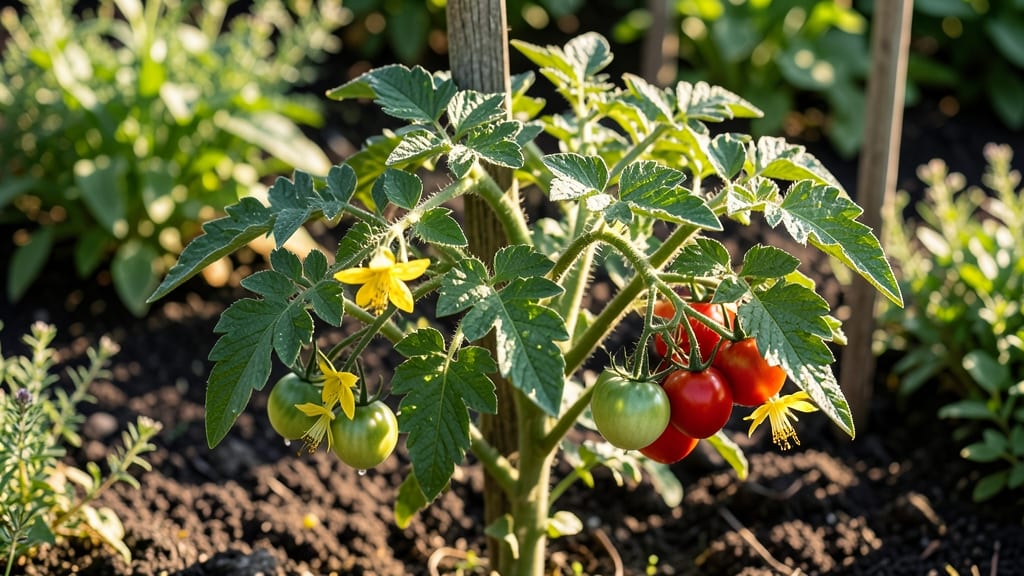
Your tomato plant’s leaves pointing straight up isn’t just a quirky growth habit—it’s a cry for help. 🌱 Whether it’s soggy roots, nutrient starvation, or pests gnawing at the roots, this upward curl means your plant is struggling to stay upright.
The good news? Most cases fix in days with the right action, and I’ll walk you through the exact steps to bring your tomatoes back to full, sturdy health.
Root stress is the #1 culprit, often from overwatering or poor drainage that drowns roots and starves them of oxygen. Nutrient deficiencies—especially nitrogen or magnesium—can also make leaves twist upward like a plant doing the wave.
Even hidden pests like root-knot nematodes or fungus gnats can wreak havoc below soil level. The key is checking the roots first: lift the plant gently and look for dark, mushy roots (overwatering) or gnarled, knobby roots (pests).
Here’s how to turn things around: Start by adjusting watering—let the top inch of soil dry out between drinks. Add a balanced fertilizer (10-10-10) or Epsom salt for magnesium, and repot if drainage is poor.
Prune any severely curled leaves to redirect energy. Within a week, you’ll see leaves flattening out and new growth pushing upright. The payoff? Plump, disease-resistant plants that produce heavier, tastier tomatoes all season.
This fix works for container tomatoes, raised beds, or in-ground plants—just adapt the approach to your setup. The worst mistake? Ignoring the problem. Your tomatoes are telling you exactly what they need; now it’s time to listen. Let’s get those leaves back to their natural, sun-loving position!
Root Stress Triggers Leaf Twisting
When your tomato plant’s leaves start pointing upward like eager cheerleaders, the most likely culprit is root stress. This issue stems from a disruption in the plant’s ability to absorb water and nutrients efficiently, often leading to a condition called hydropenia—a water deficiency despite moist soil.
Let’s break down the science behind this frustrating symptom and why your tomatoes might be sending up a distress signal.
Paradoxically, overwatering is one of the top causes of upward-pointing leaves. When soil stays soggy for too long, roots suffocate due to a lack of oxygen.
This forces the plant to prioritize survival over growth, causing leaves to twist upward in an attempt to maximize sunlight exposure and reduce water loss through transpiration.
- Why it happens: Waterlogged soil triggers anaerobic conditions, where harmful bacteria and fungi thrive, rotting roots and blocking nutrient uptake.
- Signs to watch for:
- Yellowing leaves (chlorosis) starting at the lower stems.
- Mushy, dark roots when inspected.
- Stunted growth despite frequent watering.
- Actionable fix: Let the top 1–2 inches of soil dry out between waterings. Amend heavy clay soil with compost or perlite to improve drainage. If your container lacks drainage holes, repot immediately.
On the flip side, chronic underwatering can also cause leaves to point upward as the plant conserves moisture. When roots struggle to pull water from dry soil, the plant enters a state of mild drought stress, leading to wilting and upward curling.
- Why it happens: Tomato plants are 90% water, and even slight dehydration triggers hormonal changes (like increased abscisic acid) that cause leaves to curl to reduce surface area and slow water loss.
- Signs to watch for:
- Crispy, brown leaf edges.
- Soil pulling away from pot edges.
- Leaves feeling dry or papery to the touch.
- Actionable fix: Water deeply until it runs out the drainage holes, then wait until the top inch of soil feels dry before watering again. Mulch with straw or shredded leaves to retain moisture.
Tomatoes are heat-loving plants, but rapid temperature swings—especially cold nights or scorching afternoons—can stress roots and disrupt their function. When roots are chilled or overheated, they struggle to transport water and nutrients, leading to upward-curling leaves.
- Why it happens: Cold soil (below 50°F/10°C) slows root activity, while extreme heat (above 90°F/32°C) can cook roots in containers. Both scenarios force the plant to prioritize survival over normal growth patterns.
- Signs to watch for:
- Leaves curling upward only during specific times of day (e.g., mornings after cold nights).
- Blossom end rot (black, sunken spots on fruit) despite regular watering.
- Stunted root growth in container-grown plants.
- Actionable fix:
- Use row covers or black plastic mulch to warm soil in spring.
- Move potted tomatoes to a shady spot during heatwaves.
- Insulate containers with bubble wrap in cold climates.
If your tomato plant’s roots are crowded or the soil is too dense, they can’t expand or absorb nutrients effectively. This physical stress forces the plant to redirect energy into survival mode, often manifesting as upward-pointing leaves.
- Why it happens: Roots grow in search of space and nutrients. In containers, this leads to root circling, where roots strangle each other. In garden beds, compacted soil restricts oxygen flow, suffocating roots.
- Signs to watch for:
- Roots growing out of drainage holes or circling the pot.
- Slow growth despite regular feeding.
- Leaves curling upward even after watering.
- Actionable fix:
- Repot root-bound plants into a container 2–3 inches larger with fresh potting mix.
- Loosen compacted garden soil with a fork or add compost to improve aeration.
- Prune circling roots gently before repotting to encourage outward growth.
💡 Pro Tip: If you suspect root stress, gently tug on the plant. If it resists easily, the roots are likely healthy. If it pulls out with minimal effort, the roots are rotting or stunted—time to intervene!
Fixing Upright Tomato Leaves Fast
Now that you know the likely culprits behind your tomato plant’s upward-pointing leaves—overwatering, root stress, nutrient deficiencies, or pests—it’s time to turn things around. The good news? Most fixes are simple and require minimal effort.
Below, we’ve broken down practical, step-by-step solutions for each common cause, plus prevention tips to keep your plants thriving. Let’s get those leaves flopping (or at least drooping) back into action!
If your tomato plant’s leaves are pointing straight up like a salute, root suffocation from overwatering is often the villain. Too much moisture cuts off oxygen, stunting growth and causing stress.
How to Fix It:
- 🔥 Pause Watering Immediately
- Let the top 1–2 inches of soil dry out before watering again. Stick your finger in the soil—if it’s damp, wait another day.
- 🍳 Improve Drainage
- If your pots lack drainage holes, add them or repot into containers with better airflow. For in-ground plants, amend the soil with perlite, sand, or compost to loosen it up.
- 👨🍳 Water Deeply but Less Often
- Instead of daily light sprinkles, water deeply 2–3 times per week (adjust for climate). Aim for the roots, not the leaves, to prevent fungal issues.
- ⏰ Check Your Watering Schedule
- Mornings are best—watering in the evening can trap moisture, inviting diseases. Use a moisture meter if you’re unsure.
💡 Prevention Tips:
- Use well-draining soil mixes (like 60% potting soil + 30% perlite + 10% compost).
- Mulch around the base (2–3 inches of straw or shredded leaves) to regulate soil moisture.
- Avoid saucer-style pots—opt for containers with drainage or elevated bases.
Compacted or damaged roots struggle to absorb water and nutrients, forcing leaves to reach upward for sunlight—a classic sign of root-bound stress.
How to Fix It: 1. 🔪 Gently Loosen the Roots (For Potted Plants) - Remove the plant from its container and tease apart the roots with your fingers.
Trim any black, mushy roots (signs of rot). - Repot in fresh, airy soil with a handful of worm castings or mycorrhizal fungi to boost root health.
- 🥘 For In-Ground Plants: Aerate the Soil
- Use a garden fork to poke holes around the base of the plant, breaking up compacted soil. Mix in compost or aged manure to revitalize nutrients.
- 🌡️ Monitor Soil Temperature
- Cold, waterlogged soil slows root activity. If temps dip below 55°F (13°C), use black plastic mulch or a cloche to warm the roots.
💡 Prevention Tips:
- Repot every 1–2 years to prevent root binding.
- Avoid walking on garden beds—compaction kills roots.
- Test your soil’s drainage—if water pools after 30 minutes, amend it.
Upright leaves can also signal a hungry plant. Yellowing between veins (magnesium), purple stems (phosphorus), or stunted growth (nitrogen) often accompany this issue.
How to Fix It: 1. 📊 Soil Test First - Grab a DIY soil test kit (or send a sample to your local extension office) to identify deficiencies.
Common fixes: - Nitrogen (yellow leaves): Side-dress with blood meal or fish emulsion. - Potassium (weak stems): Use banana peel tea or greensand. - Magnesium (yellow patches): Sprinkle Epsom salt (1 tbsp per gallon of water) every 2 weeks.
- 🍎 Boost Organic Matter
- Mix compost or worm castings into the top 6 inches of soil. Avoid synthetic fertilizers—they can burn roots if overused.
- 🌿 Foliar Feed for Quick Relief
- Spray diluted seaweed extract or liquid kelp on leaves for an instant nutrient boost.
💡 Prevention Tips:
- Fertilize regularly but lightly—tomatoes prefer balanced feeds (like 5-5-5 or 10-10-10).
- Rotate crops to prevent nutrient depletion.
- Use slow-release fertilizers (like osmacote) to avoid spikes.
Hidden pests (like aphids, spider mites, or root-knot nematodes) or fungal infections (e.g., early blight) can stress plants, causing leaves to point upward as they conserve energy.
How to Fix It:
- 🔍 Inspect for Pests
- Shake leaves over a white tray—tiny bugs or webbing mean mites or aphids. Blast them off with water or use neem oil spray (1 tbsp neem oil + 1 tsp mild soap per quart of water).
- 🌡️ Treat Fungal Issues
- For early blight (brown spots on lower leaves), remove infected foliage and spray with copper fungicide or baking soda mix (1 tsp baking soda + 1 quart water + a drop of soap).
- 🌱 Strengthen the Plant
- Prune damaged leaves to redirect energy. Add a balanced fertilizer (like 10-10-10) to help recovery.
💡 Prevention Tips:
- Rotate planting spots yearly to break pest/disease cycles.
- Encourage beneficial insects (ladybugs, lacewings) with dill or marigolds nearby.
- Water at the base (not overhead) to prevent fungal spores from splashing onto leaves.
No matter the issue, these quick fixes can help your tomato plant bounce back:
- 🌿 Trim back upward leaves to encourage bushier growth (but leave the top 2–3 leaves for energy).
- 🍅 Support the plant with a cage or stake to reduce stress on stems.
- 🌞 Ensure 6–8 hours of sunlight—shady spots worsen nutrient deficiencies.
- 💦 Avoid fertilizing stressed plants—wait until new growth appears.
Remember: Tomato plants are resilient! With the right care, your leaves will flop back into place—and soon, you’ll be harvesting juicy, vine-ripened tomatoes instead of debugging upward-pointing foliage. 🍅🌿
Frequently asked questions
Why do my tomato plant leaves point up suddenly?
This is usually a sign of root stress from overwatering, underwatering, or poor drainage. When roots can't absorb enough water or nutrients, the plant conserves moisture by curling leaves upward. Check soil moisture—if it's soggy or bone-dry, your watering routine needs adjustment.
Can upward-pointing leaves mean my tomato plant is dying?
Not necessarily! While severe cases can indicate root rot or advanced disease, mild curling often responds quickly to proper care. Focus on drainage, nutrients, and pests first. If the stems feel mushy or the plant easily pulls from the soil, you may have a more serious issue needing immediate attention.
How can I tell if it's overwatering vs. underwatering?
For overwatering, check for yellowing leaves, mushy roots, and soil that stays wet for days. For underwatering, look for crispy edges, dry soil pulling from pot edges, and leaves that feel papery. The key difference: overwatered plants often have stunted growth despite frequent watering.
Will pruning upward leaves help my tomato plant?
Yes, but selectively! Remove only the most severely curled lower leaves to redirect energy to healthier growth. Never prune more than 1/3 of the plant at once. Focus on leaves that are yellowing or completely upright—this encourages bushier, more productive growth while reducing stress on the plant.
Could my tomato plant's upward leaves be from pests?
Root-knot nematodes, aphids, or spider mites can all cause this symptom by damaging the plant's ability to absorb nutrients. Check the undersides of leaves for tiny bugs or webbing. For hidden root pests, gently wash roots in water—if you see gnarled, knobby roots, repot with fresh, sterile soil and consider organic nematicides.