
Plants
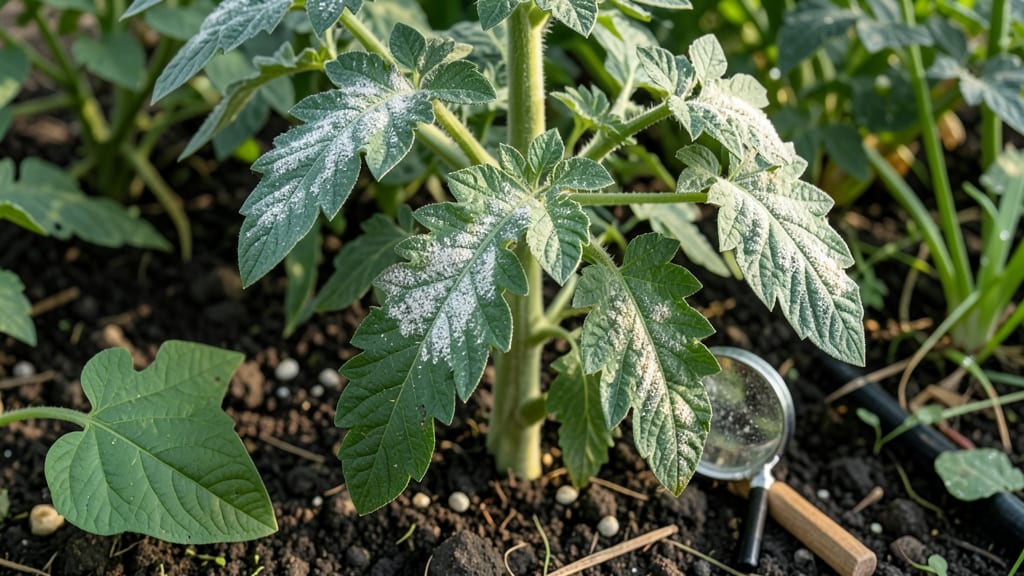
Your tomato plant leaves turning white isn’t just unsightly—it’s a cry for help from your plants. 🌱 I’ve seen this happen after a humid summer, and the good news is that fixing it doesn’t require drastic measures.
The most common culprit is powdery mildew, but nutrient imbalances or even overwatering can trigger it too. What starts as a few white spots can quickly take over if ignored, but with the right approach, your plants bounce back stronger than ever.
The first step is identifying the cause: check the undersides of leaves for fuzzy white patches (powdery mildew) or yellowing between veins (nutrient issue). If it’s mildew, prune affected leaves immediately and improve airflow by spacing plants farther apart.
For nutrient problems, a balanced fertilizer with more phosphorus helps, but don’t overdo it—too much can burn roots. The key is acting fast before the fungus spreads or the plant weakens.
Once you’ve treated the issue, prevention is about consistency. Water at the base in the morning to keep foliage dry, and add a layer of mulch to reduce soil splashing. A weekly spray of neem oil or baking soda mix (1 teaspoon per quart of water) keeps mildew at bay.
Within two weeks, you’ll see new growth pushing through, and those white spots will be a distant memory. Your tomatoes will thank you with bigger, healthier fruit by harvest time.
If the problem persists after a month or spreads to stems, it might be time to call in a local extension service. They can test for specific fungal strains and recommend targeted treatments.
But in most cases, these simple steps work wonders—just like they did for my plants after that humid July. The earlier you act, the easier the fix.
Root Causes Behind White Tomato Leaves
When your tomato plant’s leaves start turning white, it’s usually a cry for help from your garden’s star performer. The issue can stem from a mix of environmental stressors, pests, or even hidden diseases.
Understanding the why behind the whiteness is the first step to reviving your plant. Let’s break down the most common culprits and what they mean for your tomato’s health.
Tomatoes love warmth, but too much of it—especially combined with intense sunlight—can cause leaves to bleach out. When temperatures soar above 90°F (32°C), the plant’s protective pigments (like chlorophyll) degrade, leading to white or yellow patches. This is often called sun scorch.
Look for these clues:
- ✅ Symptoms: White or pale areas on upper leaves, often on the side facing direct sun.
- ✅ Timing: Peaks in late summer or early fall during heatwaves.
- ✅ Other signs: Leaves may feel dry or crispy to the touch.
Why it happens: Excessive sunlight breaks down chlorophyll faster than the plant can replace it. Without proper cooling (like shade or airflow), the damage accelerates.
Tomatoes hate soggy feet. When roots sit in waterlogged soil, they struggle to absorb oxygen, leading to root rot or nutrient deficiencies. This stress triggers white, mushy leaves—sometimes with yellowing edges.
Watch for:
- ✅ Symptoms: White or pale leaves paired with yellowing between veins (a classic sign of nutrient starvation).
- ✅ Soil check: Damp soil that stays wet for days after watering.
- ✅ Root test: Gently dig near the base—if roots smell rotten or look black/mushy, drainage is the issue.
Why it happens: Overwatering suffocates roots, preventing them from accessing nitrogen and other nutrients. The plant prioritizes survival over leaf pigmentation, causing whitening.
Fungal diseases are the sneaky villains behind white tomato leaves. Powdery mildew coats leaves in a chalky white film, while early blight causes concentric white or tan spots with dark borders.
Spot the difference:
Powdery Mildew
Early Blight
Why it happens: Fungi spores spread via wind, water, or contaminated tools. Powdery mildew loves poor airflow, while early blight thrives in wet foliage. Both steal nutrients, causing leaves to bleach as the plant fights infection.
Tiny invaders like aphids, spider mites, or whiteflies suck sap from leaves, leaving behind white, sticky residue (honeydew) or webbing. Their feeding weakens the plant, reducing chlorophyll and turning leaves pale.
How to ID the culprits:
- ✅ Aphids: Clustered on undersides of leaves; leave sticky honeydew and curled leaves.
- ✅ Spider mites: Tiny white dots or webbing on leaves (common in dry heat).
- ✅ Whiteflies: Small white moth-like insects that flutter when disturbed.
Why it happens: Pests inject toxins while feeding, disrupting the plant’s ability to produce chlorophyll. Heavy infestations lead to stunted growth and white, crunchy leaves.
A lack of key nutrients can turn tomato leaves white or pale. Nitrogen fuels leaf growth, while magnesium (part of chlorophyll) keeps them green.
Deficiency signs:
- ✅ Nitrogen: Older leaves turn pale yellow or white first (a process called chlorosis).
- ✅ Magnesium: Interveinal whitening (white areas between green veins) on older leaves.
- ✅ Potassium: White or brown edges on leaves (often with yellowing).
Why it happens: Poor soil, overwatering (which leaches nutrients), or compacted soil prevents roots from accessing minerals. Tomato plants are heavy feeders—if the soil lacks balance, leaves suffer first.
Fix White Tomato Leaves Fast
Now that you’ve identified the cause behind your tomato plant’s white leaves—whether it’s fungal blight, powdery mildew, or environmental stress—it’s time to take action. The good news? Most of these issues are reversible with the right steps.
Below, we’ll break down practical, step-by-step solutions tailored to each root cause, plus prevention tips to keep your plants thriving.
If your tomato leaves are covered in white, powdery patches or dark spots, fungal infections are likely the culprit. Act quickly to prevent the disease from spreading to other plants.
🔥 Step 1: Prune Infected Leaves Immediately
- 👨🍳 Use clean, sharp pruners (disinfect with rubbing alcohol between cuts).
- 🔪 Remove all white or spotted leaves—don’t leave them on the ground.
Toss them in the trash (not compost) to prevent reinfection. - ⏰ Do this in the morning when humidity is lower, reducing spores from spreading.
🍳 Step 2: Apply a Fungicide (Natural or Store-Bought)
For mild cases, try these DIY sprays: - 🥘 Baking soda spray: Mix 1 tsp baking soda + 1 tbsp vegetable oil + 1 tsp dish soap + 1 gallon water.
Spray both sides of leaves every 7–10 days. - 🌿 Neem oil solution: Combine 1 tbsp neem oil + 1 tsp mild soap + 1 quart water.
Shake well and spray at dusk (avoid direct sun, which can burn leaves). - 💡 Pro tip: Add 1 tsp hydrogen peroxide (3%) to your spray mix for extra antifungal power.
For severe infections, use a copper-based fungicide (like copper sulfate) or a sulfur spray, following label instructions.
🌡️ Step 3: Improve Airflow & Reduce Humidity
- 🎯 Space plants 18–24 inches apart to allow airflow.
- ✨ Use a fan on low speed near plants (3–5 hours/day) to dry leaves faster.
- 🌧️ Water at the base (not overhead) and avoid evening watering to prevent moisture buildup.
💡 Prevention for Next Season
- 🌱 Choose resistant varieties: Opt for tomato types like ‘Mountain Merit’ or ‘Defiant PhR,’ bred to resist fungal diseases.
- 🍅 Rotate crops: Don’t plant tomatoes in the same spot yearly—fungi linger in the soil.
- 🌿 Mulch properly: Use straw or grass clippings (not wood chips) to keep soil moist but prevent splashing spores onto leaves.
If white leaves are due to heat stress, nutrient deficiency, or overwatering, the fix is simpler but requires consistency.
🔥 Step 1: Adjust Watering Habits
- 💧 Check soil moisture: Stick your finger 1–2 inches deep—water only if dry.
- 🚰 Use drip irrigation or soaker hoses to deliver water directly to roots (avoid wetting leaves).
- ⏰ Water early morning (6–9 AM) to let foliage dry before nighttime humidity spikes.
🍳 Step 2: Feed Your Plants Properly
White leaves from nutrient deficiency (especially nitrogen or magnesium) need a quick boost:
- 🥗 For nitrogen: Use a balanced fertilizer (10-10-10) or fish emulsion (follow package rates).
- 🍎 For magnesium (yellowing between veins): Apply Epsom salt (1 tbsp per gallon of water) every 2 weeks.
- 📊 Pro tip: Test your soil with a DIY kit (available at garden centers) to confirm deficiencies.
🌡️ Step 3: Shield from Extreme Conditions
- 🌞 For heat stress: Provide shade cloth (30–50%) during peak sun (10 AM–4 PM).
- 🌡️ For cold stress: Use row covers or move potted tomatoes to a sheltered spot if temps drop below 50°F (10°C).
- 💡 Prevention: Acclimate young plants to outdoor conditions over 7–10 days before transplanting.
If white, cottony patches or tiny insects are the issue (like spider mites or whiteflies), here’s how to evict them:
🔥 Step 1: Isolate the Plant
- 🚫 Move the tomato plant away from others to prevent pest spread.
- 🕷️ Check for pests: Look under leaves for white webs (spider mites) or tiny white flies (whiteflies).
🍳 Step 2: Blast Them Away
- 💦 Spray with water: Use a strong hose stream to knock off pests (do this early morning).
- 🌿 Neem oil or insecticidal soap: Spray every 5–7 days until pests disappear.
- 🕸️ For spider mites: Wipe leaves with a damp cloth dipped in rubbing alcohol (1:1 with water).
✨ Step 3: Attract Beneficial Predators
- 🐞 Ladybugs & lacewings love whiteflies—buy them online or plant dill, fennel, or marigolds nearby to attract them.
- 🌱 Companion planting: Grow basil or garlic near tomatoes to repel pests naturally.
💡 Prevention Tips
- 🌿 Inspect new plants before bringing them home.
- 🍅 Rotate crops to disrupt pest life cycles.
- 🌱 Use reflective mulch (like aluminum foil) to confuse whiteflies.
🎯 Final Reminder: Consistency is key! Check your plants daily for new signs of stress or pests, and stick to your treatment plan for at least 2–3 weeks to see full recovery.
With these steps, your tomato plant will bounce back—and you’ll be back to harvesting juicy, red tomatoes in no time! 🍅🔥
Frequently asked questions
Can I still harvest tomatoes if the leaves are turning white?
Yes, but focus on the healthiest fruit first. Mature tomatoes already on the vine can be picked and ripened indoors, even if leaves show signs of disease or stress. Just avoid eating leaves or severely infected fruit. The plant will redirect energy to ripening existing tomatoes while you work on fixing the leaf issue.
How do I tell if white leaves are from fungus or just heat stress?
Check the leaf texture: fungal issues like powdery mildew create a powdery, chalky coating that rubs off, while heat stress leaves feel dry and crispy with no residue. Also look at the timing—fungus thrives in humid conditions, while heat stress peaks in afternoon sun during hot spells.
Will pruning white leaves help or hurt my tomato plant?
Pruning helps only if the white leaves are from disease or pests. Remove entire infected leaves (don't leave stems) to stop spread, but avoid over-pruning—never remove more than 20% of the plant's foliage at once. Healthy leaves provide energy for fruit production, so balance is key!
How often should I spray neem oil for white leaves?
Apply neem oil every 5-7 days for fungal issues, or once a week for pest prevention. Always spray at dusk to avoid leaf burn from sunlight. Mix 1 tbsp neem oil + 1 tsp mild soap + 1 quart water—repeat until you see new green growth emerging.
Can I use hydrogen peroxide on tomato plants?
Yes! A 3% hydrogen peroxide solution (1 part peroxide to 3 parts water) is safe and effective. Spray it every 10-14 days to prevent fungal growth or boost root health. It also helps disinfect pruning tools—just soak them for 10 minutes before use!