
Planting
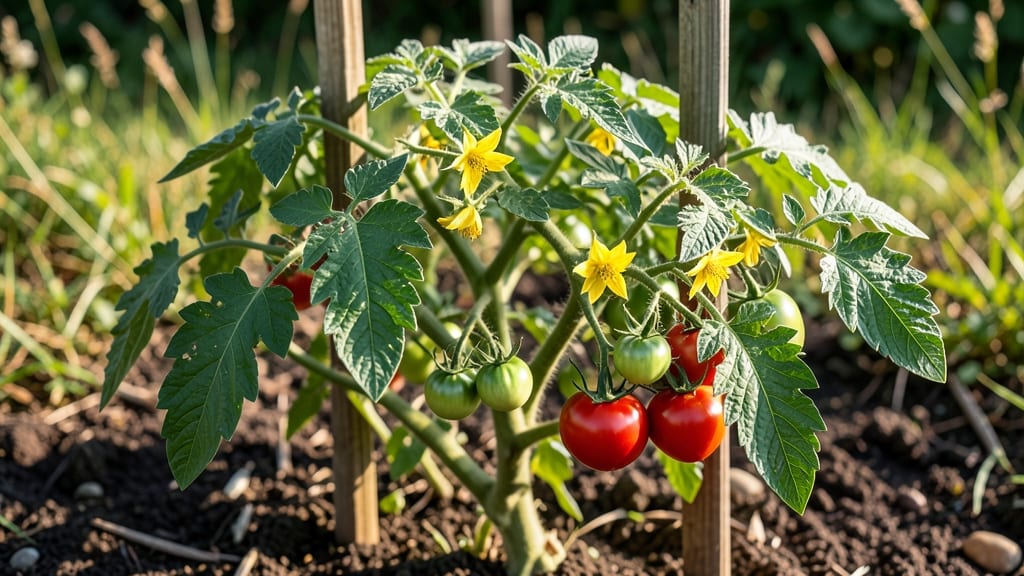
Understanding a tomato plant's lifespan helps you plan for a productive harvest window of 60 to 120 days from seed to fruit, though some heirloom varieties may stretch to 150 days before natural decline sets in.
A tomato plant's lifespan isn't just about days—it's about growth stages. 🌱 The first 30 days focus on seedling development, where proper sunlight and warmth are critical. Once flowering begins (around 45 days in), the plant shifts its energy to fruit production, which typically lasts 60-90 days depending on variety.
What many gardeners miss is how pruning or environmental stress can shorten this cycle, while consistent care can sometimes extend the fruiting phase by 2-4 weeks.
This timeline varies by tomato type—determinate varieties (like Roma) have a tighter 80-90 day window, while indeterminate types (like Cherry) keep producing until frost kills them. The key to maximizing your harvest lies in monitoring these stages and adjusting care accordingly.
For example, I've found that providing afternoon shade in hot climates can prevent early flowering and prolong the fruiting period by 10-15 days.
💡 In This Article
- Tomato Growth Stages and Their Duration
- Extending Tomato Plant Productivity Beyond Natural Lifespan
Tomato growth stages and their duration
Tomato plants go through four distinct growth phases, each with specific duration requirements and environmental triggers. The journey begins with germination, which typically takes 5-10 days at optimal soil temperatures of 70-85°F.
During this stage, seeds absorb moisture and begin cellular division, with the first leaves (cotyledons) emerging when the seedling has absorbed about 50% of its seed weight in water.
What many gardeners overlook is that cooler soil temperatures (60°F) can double germination time, while excessive heat (> 90°F) may cause uneven sprouting or seedling death.
The seedling stage lasts 2-3 weeks and focuses on developing the plant's first true leaves and root system. This is when you'll notice the plant's stem thickening and the appearance of 1-2 inches of new growth per week under ideal conditions (full sun, 6-8 hours/day, and consistent moisture).
The plant's energy is directed toward establishing a robust root network capable of supporting future fruit production. At this stage, proper spacing (12-18 inches apart) becomes crucial to prevent competition for nutrients and reduce disease spread.
Transitioning to the vegetative stage (weeks 4-6), the plant shifts focus to leaf and stem growth, which can add 6-12 inches of height weekly in indeterminate varieties. This phase is heavily influenced by nitrogen availability—plants with 3-4% nitrogen in their soil will show rapid, lush growth but may delay flowering.
The plant's hormonal balance shifts when day lengths increase (a process called photoperiodism), signaling the transition to flowering. Interestingly, some tropical varieties remain vegetative indefinitely under short-day conditions, which is why gardeners in northern climates often use artificial lighting to trigger flowering.
The flowering and fruiting stages begin around 45-60 days and represent the plant's most energy-intensive phase. Flowers appear in clusters, and each cluster requires 20-30 days to develop into a ripe tomato. The plant's metabolic rate increases dramatically, with up to 40% of its energy directed toward fruit development.
During this time, consistent watering (especially during pollination) and phosphorus-rich fertilizer (like bone meal) become critical. Temperature fluctuations during this stage can cause blossom drop—a common issue where flowers fail to set fruit due to stress.
Finally, the ripening phase lasts 2-6 weeks depending on variety and environmental conditions. This is when the plant's chlorophyll breaks down, revealing the fruit's true color through a process called de-greening. The fruit's sugar content increases from 2-3% to 4-6% during this time, significantly enhancing flavor.
What's fascinating is how ethylene gas—produced by the ripening fruit itself—triggers further ripening in nearby tomatoes. This natural chemical signal explains why storing tomatoes with apples or bananas can speed up the ripening process.
Each of these stages interacts with environmental factors in complex ways. For example, indeterminate varieties like 'Sungold' can continue flowering and fruiting for months, while determinate types like 'Celebrity' produce a single massive harvest before declining. Understanding these interactions helps gardeners anticipate plant behavior and adjust care strategies accordingly. 🌿