
Vegetables
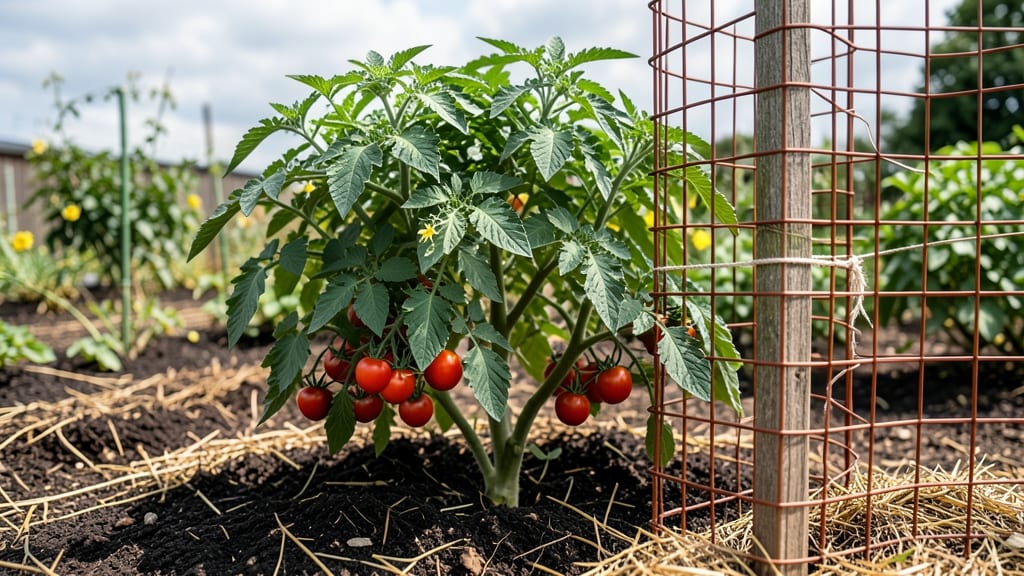
Sweet 100 tomato varieties come in determinate (bush) or indeterminate (vining) types, with determinate plants producing compact harvests in one flush while indeterminate varieties yield continuously throughout the season. Choose determinate for smaller spaces or early harvests, indeterminate for extended production and trellising.
Determinate tomatoes grow as compact bushes, reaching maturity quickly and setting fruit all at once, making them ideal for canning or early-season harvests. 🌱 Indeterminate types, however, keep growing and producing fruit until frost, perfect for gardeners who want a steady supply through summer and fall.
The choice depends on your space, time commitment, and how you plan to use the tomatoes—whether you need a quick harvest or a prolonged one.
For example, if you have limited garden space or want to maximize early yields, determinate varieties like 'Sweet 100 Bush' are your best bet.
On the other hand, if you're willing to invest in trellising and want tomatoes from midsummer until the first frost, indeterminate types like 'Sweet 100 Staked' will keep you in fruit longer. Understanding these differences helps you plan your garden layout and harvest strategy effectively.
💡 In This Article
- Growth Habits and Structural Differences in Sweet 100 Tomatoes
- Best Sweet 100 Varieties for Determinate vs Indeterminate Gardens
Growth habits and structural differences in Sweet 100 tomatoes
The fundamental difference between determinate and indeterminate Sweet 100 tomatoes lies in their growth patterns. Determinate varieties develop a central stem that stops growing after reaching 3-5 feet tall, producing a bushy shape with limited branching.
This growth habit is controlled by a genetic mechanism called apical dominance, where the terminal bud (top of the plant) eventually stops producing hormones that stimulate vertical growth. 🌱 Once this happens, the plant focuses its energy on ripening fruit already set, resulting in a single, concentrated harvest window.
Indeterminate Sweet 100 tomatoes, however, continue growing indefinitely until frost, reaching heights of 6-10 feet or more with continuous branching. Their growth is fueled by an ongoing production of auxin hormones that promote vertical stem elongation. This creates a vining structure that requires support like trellises or cages.
The key difference is their fruit production pattern: indeterminate plants produce flowers and fruit along the entire stem length throughout the growing season, while determinate plants set all their fruit at once near the plant's top.
Root system development also varies significantly. Determinate plants form a shallow, wide root network that spreads horizontally, ideal for absorbing nutrients quickly during their short growing window. Indeterminate varieties develop deeper, more extensive root systems that support their prolonged growth and continuous fruiting.
This structural difference means indeterminate plants can access moisture and nutrients from deeper soil layers, making them more drought-tolerant once established. 💧
The seasonal impact of these growth habits is profound. Determinate Sweet 100 varieties typically mature in 60-70 days from transplant, delivering a 3-4 week harvest window perfect for canning or early-season markets.
Indeterminate types may take 70-85 days to produce their first fruit but continue yielding until first frost, often providing tomatoes for 3-4 months in warm climates. This extended production makes indeterminate varieties ideal for gardeners who want a steady supply of fresh tomatoes throughout summer and fall.
Another critical structural difference is their fruit-bearing zones. Determinate plants concentrate their fruit production near the top, creating a single harvest cluster that ripens simultaneously. Indeterminate varieties, however, produce fruit along every stem and branch, requiring more careful monitoring and harvesting to prevent overripe fruit from spoiling.
This continuous fruiting pattern also means indeterminate plants benefit from pruning practices to manage growth and improve air circulation, reducing disease risk.
Consider the practical implications for your garden space. Determinate Sweet 100 plants can be spaced 18-24 inches apart in rows 2-3 feet apart, making them perfect for small gardens, containers, or urban farming.
Indeterminate varieties need 3-4 feet between plants and 4-5 feet between rows when trellised, requiring more planning but offering higher long-term yields. The choice between these growth habits fundamentally shapes your garden's layout, maintenance requirements, and harvest timeline. ✨