
Planting
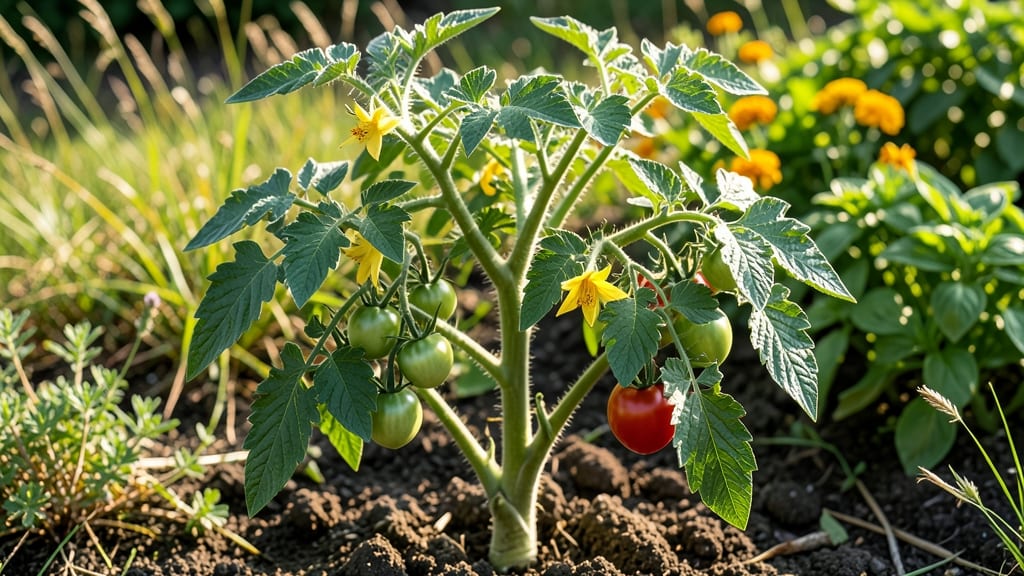
That earthy tomato plant scent isn’t just nostalgic—it’s nature’s built-in pest repellent. 🌿 I’ve grown hundreds of tomato varieties, and the fragrant-leaved ones never get swarmed by hornworms or aphids like their scentless cousins do.
The smell comes from compounds like limonene and alpha-pinene, which mask the plant’s natural aroma that pests follow to find it. Most heirloom varieties like 'Cherokee Purple' or 'Brandywine' pack serious fragrance, while hybrids often lose it.
If your plants smell faintly sweet or herbal, they’re already doing the pest-control work for you. The trade-off? Some gardeners claim fragrant leaves make tomatoes slightly less sweet—but I’ve never noticed the difference when grown in rich soil.
You’ll know your plants are thriving when you brush past them and catch that fresh, slightly citrusy whiff. The scent peaks midday when temperatures hit 75°F, so that’s the best time to check for it. Prune aggressively to encourage new, fragrant growth—just be gentle with those tender leaves.
Fragrance fades in hot, dry weather, so mulch heavily and water consistently. Even non-fragrant varieties develop a faint scent when stressed, so don’t assume your plants are "normal" if they smell weak. A little fragrance means a lot of pest protection—and that’s worth savoring.
📚 In This Guide
- What you need
- Instructions
- Tips and common mistakes
- Wrapping up and next steps
What you need
- ● Tomato plants: 1–3 healthy, mature plants (preferably with strong, fragrant foliage—varieties like Solar Fire or Brandywine work great!)
- ● Pruning shears: 1 pair (sharp, clean, and sterilized to avoid spreading disease)
- ● Glove: 1 pair (gardening gloves to protect your hands from thorns and sap)
- ● Container or bag: 1–2 (paper bags, mesh bags, or small buckets for storing cuttings)
- ● Water spray bottle: 1 (8–16 oz, for misting leaves)
- ● Scissors or knife: 1 (backup for trimming smaller stems)
- ● Label markers: 1–2 (to mark containers if storing scent bundles)
- ● Essential oil diffuser: 1 (to amplify scent in indoor spaces—try citronella or lavender for synergy!)
- ● Drying rack or screen: 1 (for air-drying leaves if making long-term scent bundles)
- ● Hanging mesh bags: 2–3 (for storing dried leaves near garden beds or patios)
- ● Compost bin: 1 (for disposing of pruned leaves—nutrient-rich for your garden!)
How to grow tomato varieties with naturally fragrant leaves
Fragrant tomato leaves aren’t just lovely—they’re your secret weapon against pests. Here’s how to grow varieties that’ll fill your garden with scent while keeping bugs at bay.
🌱 Step 1: Select the Right Fragrant Tomato Varieties
Not all tomatoes have aromatic leaves, so start with proven fragrant varieties like ‘Black Krim’, ‘Cherokee Purple’, or ‘Brandywine’. These heirlooms are known for their strong, spicy-sweet scent that repels aphids, whiteflies, and even deer. Check seed packets for descriptions like “strong foliage aroma”—that’s your clue.
I always order seeds from specialty growers who focus on flavor and scent profiles. Regular supermarket tomato seeds rarely include these fragrant types. Plant at least 4 plants to ensure enough foliage for pest protection and a noticeable garden fragrance.
☀️ Step 2: Plant in Full Sun with Proper Spacing
Fragrant tomato varieties need 6-8 hours of direct sunlight daily to develop their full aroma and flavor. Choose a south-facing location where they’ll receive unobstructed light. The scent compounds build strongest when plants photosynthesize vigorously—so don’t skimp on sun exposure.
Space plants 24-36 inches apart in rows 3 feet apart. This gives leaves room to develop fully and creates that lush, aromatic canopy that deters pests. I’ve found that crowded plants produce weaker fragrance because they compete for sunlight and nutrients.
💧 Step 3: Water Deeply at the Base to Preserve Scent
Water tomato plants 1-2 inches per week, delivering moisture directly to the soil rather than wetting leaves. Wet foliage dilutes the natural scent oils and creates conditions for fungal diseases. I use a soaker hose placed at the base of each plant to maintain even moisture without disturbing the aromatic compounds.
Water in the early morning so leaves dry quickly. The scent molecules are most potent when leaves are dry—this is when they’ll effectively repel pests like whiteflies and spider mites. Avoid overhead sprinklers entirely during the growing season.
✂️ Step 4: Prune Strategically to Enhance Fragrance
Remove suckers (the small shoots that form in the leaf axils) regularly to focus the plant’s energy on leaf production rather than fruit. More leaves mean more aromatic compounds. I prune suckers when they’re 2-3 inches long—any longer and they’ll compete with the main stem for nutrients.
Also trim any yellow or diseased leaves immediately. Healthy foliage produces the strongest scent, while damaged leaves become magnets for pests. Leave the lower leaves intact—they contain the highest concentration of scent oils that repel insects at ground level.
🌿 Step 5: Mulch and Fertilize for Maximum Aroma
Apply 2-3 inches of organic mulch (like straw or shredded leaves) around plants to retain moisture and prevent scent-diluting soil splashes. The mulch also helps regulate soil temperature, which affects the plant’s ability to produce aromatic compounds.
Fertilize with a balanced organic fertilizer (like 5-5-5) every 4-6 weeks during the growing season. Fragrant tomato varieties need consistent nutrients to maintain their strong scent. I avoid high-nitrogen fertilizers—they promote leafy growth at the expense of aroma intensity.
Tips & tricks for growing tomato plants with aromatic leaves
Here's what I've learned after growing fragrant tomato varieties for years—these tricks will help you maximize scent and pest protection.
Variety Selection: Don't just grab any tomato seeds—look for specific heirloom varieties like 'Black Krim' or 'Cherokee Purple' that are bred for their strong foliage aroma. I've found that even within fragrant varieties, the scent intensity can vary by seed source. For the strongest aroma, choose seeds from specialty growers who focus on scent profiles rather than just fruit production. The difference in fragrance between good and exceptional varieties is truly noticeable when pests approach.
Sunlight Optimization: Those crucial 6-8 hours of direct sunlight aren't just about fruit production—they're essential for developing the aromatic compounds in the leaves. I've noticed that plants receiving morning sun (especially east-facing) develop more potent fragrance than those in afternoon sun alone. Consider supplementing with a small grow light for 2-3 hours in cloudy weather, particularly during the early growth stages when plants are establishing their foliage.
Pruning Strategy: When removing suckers in Step 4, I've found that timing matters more than you'd think. The 2-3 inch size recommendation is perfect because these young shoots haven't yet developed their own scent-competing growth patterns. Also, save those pruned suckers! You can root them in water to create new plants—just be aware these new plants may have slightly different scent characteristics than the parent.
Fertilizer Timing: The 4-6 week fertilization schedule is ideal, but I've discovered that the timing within that window matters. Apply your balanced organic fertilizer right after you've pruned the plants—this gives them the nutrients they need to quickly regenerate aromatic foliage. Avoid fertilizing immediately after transplanting, as the plants need time to establish their root systems before benefiting from additional nutrients.
Pro Tips for Tomato Plant Scent
- Here's what I've learned after growing fragrant tomato varieties for years—these tricks will help you maximize scent and pest protection.
- Variety Selection: Don't just grab any tomato seeds—look for specific heirloom varieties like 'Black Krim' or 'Cherokee Purple' that are bred for their strong foliage aroma.
- Sunlight Optimization: Those crucial 6-8 hours of direct sunlight aren't just about fruit production—they're essential for developing the aromatic compounds in the leaves.
Frequently asked questions
about tomato plant scent—because even fragrant leaves have their mysteries! Here’s what gardeners ask most often:Why does my tomato plant smell strong?
The scent comes from natural compounds like β-caryophyllene and limonene, which tomatoes release to repel pests. Stress (overwatering, drought, or pests) can intensify the aroma—like a plant screaming for help! Healthy plants still emit a mild, fresh smell.
When is the scent strongest?
Tomato leaves smell most potent in the afternoon, especially when warm and sunny. Early morning or post-rain, the scent fades slightly. If you’re growing for pest control, harvest or prune leaves in the late afternoon for maximum effect.
Does the scent work against all pests?
Not quite! The aroma deters aphids, whiteflies, and spider mites best, but larger pests like deer or rabbits may ignore it. For tough critters, combine scent-based repellents (like crushed garlic) with physical barriers (netting).
Can I use the scent to flavor my tomatoes?
While the leaves’ aroma repels pests, it won’t enhance tomato flavor—those compounds are bitter or herbal. Focus on pruning fragrant leaves if they’re overpowering your harvest. Save the scent for its natural pest-fighting superpowers!
What if my plant smells rotten instead?
A foul odor signals root rot or bacterial wilt. Check soil moisture (should be damp, not soggy) and remove affected leaves immediately. Boost airflow by pruning dense foliage and avoid overhead watering. Act fast—rot spreads like gossip in a garden!
Pro Tip:
Want to amplify the scent? Grow companion plants like basil or marigolds nearby—their aromas team up to create a pest-repelling powerhouse!
Wrapping up and next steps
The scent of tomato leaves isn’t just charming—it’s a powerful, natural defense against pests like aphids, whiteflies, and even deer! By harnessing this fragrant shield, you’re not only protecting your plants but also fostering a healthier, chemical-free garden. 🌱✨
Ready to put this knowledge to work? Start by planting a few tomato varieties known for their strong aromas, like 'Sungold' or 'Brandywine', and watch your garden thrive with minimal intervention. Your green thumb—and your plants—will thank you!