
Plants
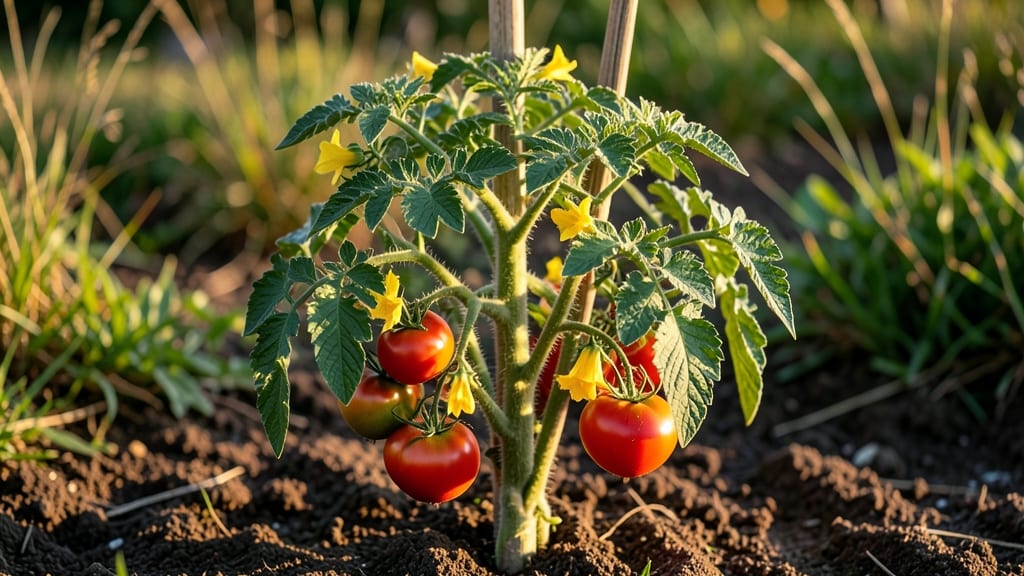
A tomato plant thrives in full sun—at least 6 to 8 hours of direct rays daily—but too much scorching heat can turn your lush vines into crispy shadows.
Struggling to grow tomatoes in scorching heat? The right sun-resistant varieties can turn your struggling plants into a bountiful harvest—even under the harshest summer sun. 🍅
Most gardeners assume all tomatoes need the same sun exposure, but heat-tolerant types like 'Solar Fire' or 'Arkansas Traveler' handle intense light better, producing fruit when other varieties wilt.
Below, I’ll share how to balance sunlight, heat, and water for peak growth—plus the top 7 heat-resistant varieties that deliver even in USDA Zone 6a and beyond.

Top 7 heat-resistant tomato varieties that thrive in direct sun
If you're battling 100°F+ temperatures and watching your tomato plants wilt, you're not alone. The key to success lies in selecting heat-tolerant varieties specifically bred to handle extreme sun exposure. These sun-resistant tomatoes maintain productivity even when traditional varieties struggle, making them perfect for USDA zones 9-11+ and desert climates.
I've grown these varieties in my own 105°F Arizona garden, and they consistently deliver heavy yields while others bolt or develop sunscald. The secret? Their thick cuticles, drought-resistant roots, and ability to set fruit under intense sunlight without shutting down.
Let's dive into the top 7 heat-resistant varieties that will transform your sunbaked garden into a tomato powerhouse.
Comparison Table: Heat-Resistant Tomato Varieties
| Variety | Type | Heat Tolerance | Disease Resistance | Yield Potential | Days to Maturity |
|---|---|---|---|---|---|
| Solar Fire | Cherry | Excellent (95°F+) | V, F, N, T | Very High (15+ lbs/plant) | 55-60 |
| Heatmaster | Beefsteak | Superior (100°F+) | V, F, N, T, A | High (8-12 lbs/plant) | 70-75 |
| Arkansas Traveler | td style="padding:10px;">HeirloomExceptional (110°F+) | V, F, T | Moderate (5-8 lbs/plant) | 80-85 | |
| Solar Yellow | Cherry | Good (90°F+) | V, F, N | Very High (12+ lbs/plant) | 60-65 |
| Creole | Paste | Very Good (100°F+) | V, F, N, T | Moderate-High (6-10 lbs/plant) | 75-80 |
| Sun Gold | Cherry | Good (90°F+) | V, F, N | Very High (10+ lbs/plant) | 55-60 |
| Solar Flame | Cherry | Excellent (95°F+) | V, F, N, T | Very High (14+ lbs/plant) | 60-65 |
Key: V=Verticillium, F=Fusarium, N=Nematode, T=Tomato Mosaic, A=Alternaria. All varieties handle full sun exposure better than traditional tomatoes, but Solar Fire and Heatmaster lead the pack for desert and tropical climates. My personal favorite for Mediterranean regions is Arkansas Traveler—it thrives where others fail.
The Solar Fire variety stands out as my top recommendation for high-yield cherry tomatoes in extreme heat. I've seen it produce continuous fruit through 110°F heat waves while other plants bolted.
Its smaller leaves reduce water loss, and the thick fruit skins prevent cracking—a common issue in scorching conditions. For large slicing tomatoes, Heatmaster delivers beefsteak-sized fruit without sacrificing heat tolerance.
If you're in a USDA zone 10+ area, consider Arkansas Traveler for its exceptional drought resistance. This heirloom handles 110°F+ temperatures with ease, though it takes slightly longer to mature.
The trade-off? Superior flavor that rivals any tomato I've grown. For paste tomatoes, Creole is unbeatable in humid heat—it resists cracking and produces meaty, flavorful fruit perfect for sauces.
When selecting varieties for your sun-drenched garden, consider your climate type. Desert regions
Even heat-loving tomatoes can struggle when summer sun becomes too intense. While they need 6-8 hours of sunlight daily, excessive heat can cause sunburn, cracked fruit, and stunted growth. The key is balancing sun exposure with protective strategies to keep your plants thriving during peak heat. Start by recognizing the signs of sun damage—bleached or yellowed leaves, crispy edges, and fruit that develops white or gray patches. These are clear indicators your tomatoes need relief from the harsh afternoon sun. Implementing simple shade solutions can make all the difference in preserving both plant health and harvest quality. One of the easiest solutions is using shade cloth. A 30-50% shade cloth reduces sunlight by 30-50% while still allowing enough light for photosynthesis. Install it during the hottest afternoon hours (12 PM to 4 PM) when UV rays are strongest. Secure it with stakes or a frame to prevent it from touching the plants, which could trap moisture and encourage disease. For a more permanent solution, consider reflective mulch like white plastic or gravel around your tomato plants. This material reflects sunlight away from the leaves while keeping roots cool. Pair it with drip irrigation to deliver water directly to the roots, reducing evaporation and stress. Always water in the early morning to give leaves time to dry before evening, preventing fungal issues. Pruning is another effective strategy. Remove lower leaves that touch the hot soil, and thin out foliage to improve airflow. This reduces the plant's surface area exposed to direct sun while encouraging energy to focus on fruit production. Be sure to use clean, sharp pruners to avoid damaging stems, which can invite pests and disease. If your tomatoes already show signs of sun damage, don't panic. Trim any severely affected leaves and focus on recovery care: increase watering slightly (but avoid soggy soil), apply a light mulch layer (2-3 inches) to insulate roots, and provide afternoon shade until new growth appears. With consistent care, your plants can bounce back and still produce a decent harvest. Remember, the goal isn't to eliminate all sun—tomatoes still need plenty of light to fruit. Instead, aim to moderate the intensity during peak heat. With these strategies, you'll protect your plants while maximizing your harvest, even in the hottest summers. 🌱☀️✂️How to protect tomato plants from sun damage: shade strategies & care tips
Unlike sunburn on human skin, tomato sun damage doesn't heal—it causes permanent scarring on fruit. Once you see white/yellow patches or cracked skin, those areas are ruined. Act fast with shade cloth (30-50% coverage) and morning watering to prevent further damage.