
Planting
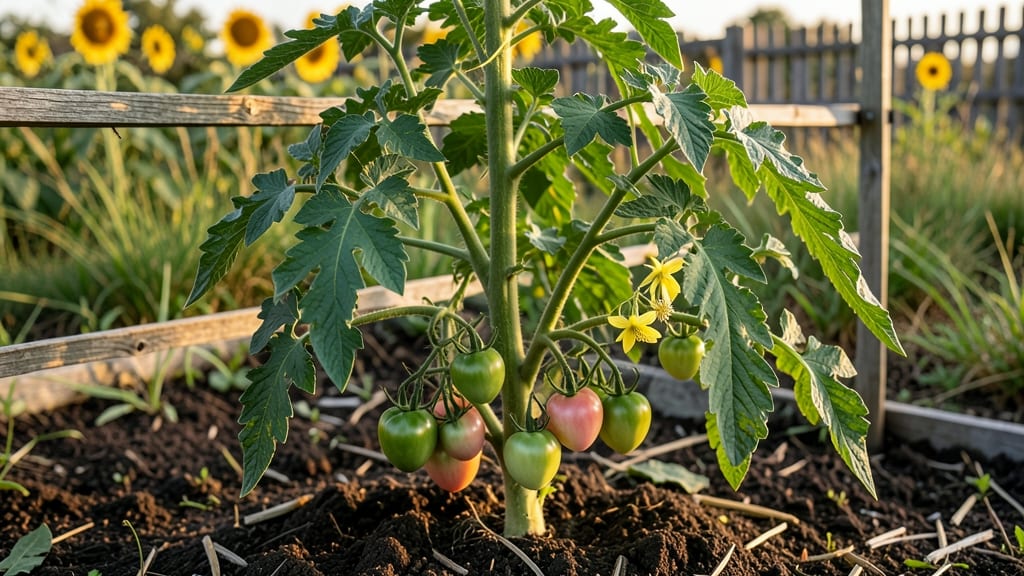
Maintaining tomato plant maintenance during summer's brutal heat keeps them producing fruit instead of wilting. 🌞 I've learned the hard way that consistent care—watering, pruning, and support—transforms struggling plants into prolific producers, even when temperatures hit 95°F. The right heat-resistant varieties like 'Solar Fire' or 'Heatmaster' make all the difference, but proper maintenance is what keeps them thriving.
Your maintenance toolkit should include sharp pruners, a sturdy cage or stakes, and a drip irrigation system or soaker hose. Prune suckers weekly to improve airflow, and remove lower leaves as plants grow taller to prevent soil-borne diseases.
Fertilize every 2-3 weeks with a balanced 10-10-10 mix, but cut back when fruit sets to avoid overfeeding.
By late summer, you'll see plants pushing out new growth even in the heat, with fruit ripening steadily. The key is watching for stress signs—yellowing leaves, blossom drop—and adjusting water immediately. Container-grown tomatoes need daily watering, while in-ground plants can handle slightly less frequent deep watering.
This routine works year-round in frost-free zones, but even in colder climates, the same principles apply to greenhouse or overwintered plants. The payoff? Heavy vines loaded with ripe tomatoes when others' plants have given up.
📚 In This Guide
- What you need
- Instructions
- Tips and common mistakes
- Wrapping up and next steps
What you need
- ● Tomato Seeds or Seedlings: Heat-resistant varieties like Solar Fire, Heatmaster, or Arkansas Traveler (check seed packets for heat tolerance ratings). Pro tip: Start seeds indoors 6-8 weeks before last frost or buy sturdy transplants from a nursery!
- ○ Containers or Garden Beds: Containers: 5-gallon pots or larger (tomatoes need depth—at least 12" deep and 18" in diameter) with drainage holes. Optional: Self-watering pots for drought-prone areas.
- ● Garden Beds: Loose, well-draining soil with a pH of 6.0–6.8. Amend with compost or aged manure if soil is heavy.
- ● Potting Mix or Soil: Lightweight, organic-rich mix (avoid garden soil—it compacts!). Pro tip: Add perlite or vermiculite (10–20%) to improve aeration in containers.
- ● Fertilizer: Balanced Starter Fertilizer: 10-10-10 or 5-5-5 (follow label rates).
- ● Slow-Release Granules: 14-14-14 or organic options like bone meal (for flowering) or fish emulsion (for foliage).
- ● Support Structures: Cages: Sturdy 5–6 ft tall tomato cages (galvanized steel or heavy-duty plastic).
- ● Trellis/Stakes: 6–8 ft bamboo stakes or wooden posts (for indeterminate varieties).
- ● Twine: 100 ft of soft plant twine (for tying vines).
- ● Hand Trowel: For transplanting and soil amendments.
- ● Pruning Shears: Sharp, sterilized shears (7–9" blades) for trimming suckers and dead leaves.
- ● Watering Can or Hose: Drip irrigation or a soaker hose (to avoid wetting foliage and prevent disease). Pro tip: Early morning watering (before 10 AM) reduces evaporation!
- ● Mulch: Straw, shredded leaves, or black plastic (to retain moisture and regulate soil temp).
- ○ Shade Cloth (Optional): 30–50% shade fabric for seedlings or extreme heat spikes (100°F+).
- ○ Thermometer (Optional): Soil or air thermometer to monitor heat stress (ideal soil temp: 70–85°F).
- ● Sunlight: Full sun (6–8+ hours daily). South-facing windows or a greenhouse work in cooler climates.
- ● Water Access: Consistent moisture (1–2 inches per week). Drought? Group plants together to create a microclimate.
- ● Pest/Disease Prevention: Neem oil or copper fungicide (for fungal diseases like blight).
- ● Yellow sticky traps (for aphids or whiteflies).
- ● Patience: Heat-resistant varieties may take longer to fruit in extreme heat—stay consistent with care!
Step-by-Step guide to maintaining heat-resistant tomato plants
Here's how I keep my heat-tolerant tomato varieties thriving through summer's peak—no wilting, no fruit drop, just steady production.
💧 Step 1: Water Deeply at Soil Level During Heatwaves
Tomatoes in extreme heat need 1-2 inches of water per week, delivered directly to the soil—not overhead. I use a soaker hose buried 2 inches deep along the plant base to prevent evaporation and fungal splash. Water in the early morning so foliage dries before evening humidity peaks.
Check moisture by pushing a finger 2 inches deep—if dry, water again. Shallow watering stresses roots and encourages surface crusting. Mulch with 2-3 inches of straw immediately after watering to lock in moisture and keep roots cool.
☀️ Step 2: Provide Strategic Shade During Midday Heat
Heat-resistant varieties like 'Solar Fire' or 'Heatmaster' still need protection from 100°F+ temperatures. Set up shade cloth (30-50%) between 11 AM and 3 PM, or train plants to grow vertically under a row cover supported by stakes. Watch for wilting leaves—if they droop but recover by evening, shade is sufficient.
Never remove shade abruptly. Gradually reduce coverage over 3-5 days as temperatures drop. I also avoid pruning during heatwaves—removing foliage increases stress and reduces the plant's ability to cool itself through transpiration.
✂️ Step 3: Prune for Airflow and Fruit Support
Prune only when temperatures dip below 85°F to minimize stress. Remove suckers (side shoots) up to 12 inches from the stem—these compete for energy during heat. Leave 3-5 main stems for determinate varieties, or 1-2 for indeterminates, to focus resources on fruit development.
Install tomato cages or stakes immediately after pruning to support heavy clusters. Tie stems with soft plant ties every 6-8 inches—heat causes rapid growth, and unsupported branches snap easily. Remove lower leaves touching the soil to prevent disease and improve airflow.
🌿 Step 4: Fertilize for Heat Tolerance and Fruit Set
Switch to a low-nitrogen, high-phosphorus fertilizer (like 5-10-10) when temperatures exceed 80°F. I apply ½ teaspoon per plant every 2 weeks, working it into the soil around the drip line. Heat reduces nutrient uptake, so avoid high-nitrogen feeds—they promote leafy growth at the expense of fruit.
Add 1 tablespoon of Epsom salt per gallon of water monthly to boost magnesium, which prevents blossom-end rot in heat. Watch for yellowing between leaf veins—a sign of magnesium deficiency. If fruit sets but drops, reduce water slightly and increase shade for 2-3 days to stabilize flowers.
🪴 Step 5: Monitor for Heat Stress and Adjust Care
Heat stress shows as silvering or scorch on leaves, curled edges, or premature fruit ripening. If you see these signs, move plants to partial shade immediately and increase watering frequency to every other day. Avoid fertilizing until symptoms improve—stressed plants can't process nutrients.
Harvest overripe tomatoes regularly to reduce stress on the plant. Unripe fruit left on the vine competes for water and energy. I also hand-pollinate flowers on cloudy days by gently shaking plants—heat reduces bee activity, leading to poor fruit set.
Tips & tricks for perfect heat-resistant tomato care
Between us, growing tomatoes in extreme heat is all about balance—too much water and you drown the roots, too little and the plant wilts. Here's how I keep mine thriving even when the thermometer hits triple digits.
Soil Moisture Secret: That 2-inch deep finger check in Step 1 is non-negotiable. I've learned the hard way that surface moisture only creates a crust that blocks oxygen to roots. For extra insurance, I bury my soaker hose 3 inches deep—not just 2 inches—and run it for 20 minutes every other morning during 100°F+ days. The goal is to keep the soil consistently damp, not soggy, especially for those heat-resistant varieties that need steady hydration without waterlogging.
Shade Transition Strategy: The 3-5 day gradual reduction of shade cloth in Step 2 is crucial, but here's what nobody tells you—the timing matters just as much as the method. I always start reducing shade when evening temperatures drop below 85°F consistently for 3 nights in a row. This gives the plants time to acclimate without shocking their systems. Pro tip: Use a white shade cloth (30-50%) rather than black—it reflects more light and heat while still providing protection.
Pruning Timing Matters: I wait until temperatures dip below 85°F before pruning, but there's a specific window I watch for: the 2-hour period just after sunset when ambient temps are cooling. This is when the plants are least stressed and can recover fastest. For indeterminate varieties, I leave that extra main stem (2 instead of 1) during peak heat—it gives them more surface area for transpiration cooling, which is their natural air conditioning system.
Fertilizer Timing Tweak: The 2-week interval for that low-nitrogen, high-phosphorus fertilizer in Step 4 works, but I've found a better rhythm: apply it right after a heavy rain or deep watering session. The nutrients absorb more efficiently when the soil is already moist. And here's a game-changer—I mix in 1 tablespoon of coffee grounds with each fertilizer application. The acidity helps prevent blossom-end rot while adding organic matter that improves soil structure during those long, hot summers.
Pro Tips for Tomato Plant Maintenance
- Between us, growing tomatoes in extreme heat is all about balance—too much water and you drown the roots, too little and the plant wilts.
- Soil Moisture Secret: That 2-inch deep finger check in Step 1 is non-negotiable.
- Shade Transition Strategy: The 3-5 day gradual reduction of shade cloth in Step 2 is crucial, but here's what nobody tells you—the timing matters just as much as the method.
Frequently asked questions
Got questions about keeping your tomato plants thriving? Here are some of the most common ones—and their answers—to help you grow like a pro!
How often should I water tomato plants in extreme heat?
In scorching weather (above 90°F/32°C), water your tomato plants deeply 1–2 times per day, especially in the early morning or late afternoon. Aim for 1–2 inches of water per week, but adjust based on soil dryness. Mulch with straw or grass clippings to retain moisture and cool roots.
Can tomato plants survive a light frost?
Most tomato varieties are frost-sensitive—even a light freeze (below 32°F/0°C) can damage leaves or kill plants. If frost is forecasted, cover plants with frost blankets or move potted tomatoes indoors. Heat-resistant varieties (like 'Solar Fire' or 'Heatmaster') tolerate heat better but still need protection from frost.
Why are my tomato leaves turning yellow?
Yellow leaves often signal overwatering, nutrient deficiency, or disease. Check the soil—it should be moist but not soggy. If lower leaves yellow first, it’s likely normal aging. For upper leaves, test for nitrogen deficiency (use a balanced fertilizer) or fungal issues (prune affected areas and improve airflow).
What’s the best alternative if my tomatoes won’t fruit?
If your tomatoes flower but drop blossoms, it’s often due to temperature stress (below 55°F/13°C or above 95°F/35°C), poor pollination, or over-fertilizing with nitrogen. Try:
- Hand-pollinate with a small brush if bees are scarce.
- Use phosphorus-rich fertilizer (like 5-10-10) to encourage flowering.
- Plant heat-tolerant varieties like 'Arkansas Traveler' or 'Celebrity'.
When is the best time to prune tomato plants?
Prune indeterminate tomatoes (vining types) weekly during the growing season to remove suckers (side shoots) and improve airflow. For determinate tomatoes (bush types), minimal pruning is needed—just trim dead or diseased leaves. Never prune in frost risk or during flowering/fruiting (unless removing diseased parts).
How do I protect tomato plants from pests like hornworms?
Hornworms (and other pests) can devastate tomato plants in days! Handpick them early in the morning (they’re sluggish then) or use neem oil as a natural repellent. For prevention:
- Plant basil or marigolds nearby to deter pests.
- Use row covers for young plants.
- Encourage beneficial insects like ladybugs and lacewings.
Wrapping up and next steps
Mastering tomato plant maintenance—especially with heat-resistant varieties—is all about consistency, observation, and a little love! 🌱 From choosing the right soil to protecting your plants from frost, every step ensures a bountiful harvest.
Remember, even the toughest varieties need care, but with these tips, you’re well on your way to thriving tomatoes.
Now that you’re armed with knowledge, roll up your sleeves and get growing! Start by planting those resilient seeds or seedlings this season—your future juicy, sun-ripened tomatoes are waiting. Happy gardening! 🍅✨