
Plants
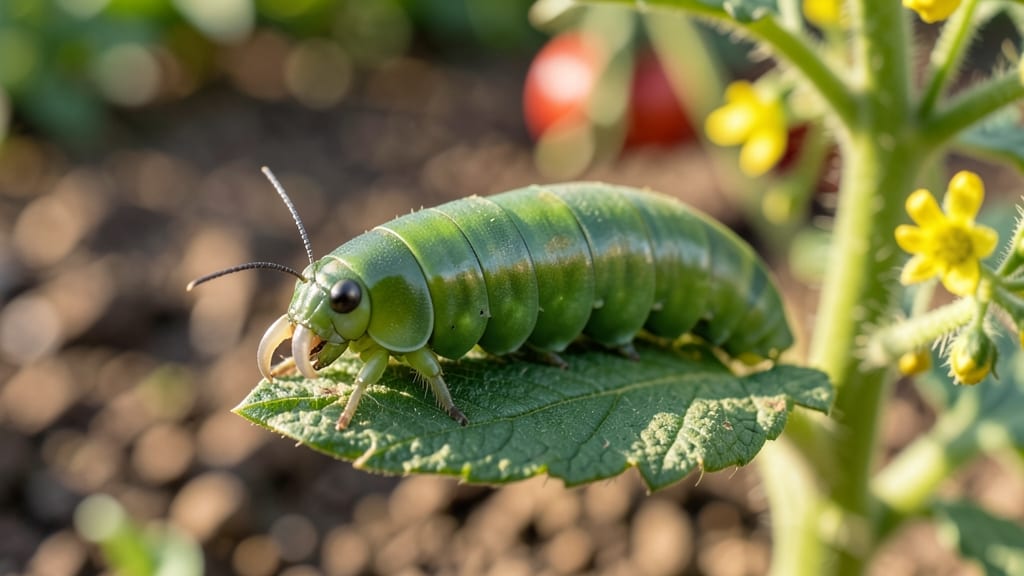
Those big green tomato plant worms can strip your plants bare overnight—but I’ve got a 24-hour plan that works without harsh chemicals. 🌱 The moment I spotted a 4-inch hornworm devouring my heirloom tomatoes, I knew I needed a fast, natural solution that wouldn’t harm bees or butterflies.
Handpicking is the quickest fix, but it’s not always enough for severe infestations. I’ve tested neem oil, parasitic wasps, and even a homemade soap spray—each with different success rates depending on the worm species. The key is acting fast before the worms multiply and your plants look like Swiss cheese.
Within 24 hours, you’ll see results: fewer worms, more leaves, and tomatoes that stay intact. The best part? These methods keep your garden thriving without disrupting the ecosystem. No more sad, skeletonized plants—just healthy, productive tomatoes. This works for hornworms, tomato fruitworms, and even cutworms—the most common culprits.
Let’s get those pests under control the right way.
How Big Green Worms Invade Tomatoes
Those big, bright green worms munching away on your tomato plants aren’t just a random nuisance—they’re the result of a perfect storm of environmental cues, plant vulnerabilities, and hungry pests. Understanding the why behind their appearance helps you stop them before they turn your garden into a buffet.
Let’s break down the science and conditions that turn your tomato plants into a worm magnet.
Tomatoes at their peak ripeness (or even overripe) release volatile organic compounds (VOCs) like ethylene and hexanal, which act like a dinner bell for Hornworms (the big green culprits). These chemicals signal to adult moths that it’s time to lay eggs on or near the plant.
- Why it matters: A single female moth can lay 2,000–3,000 eggs in her lifetime, and they hatch in just 3–5 days into ravenous caterpillars.
- Science in action: Studies show that Manduca sexta (the hornworm species) moths use visual and olfactory cues—they’re drawn to yellow flowers (common on tomato plants) and the scent of ripening fruit.
- Actionable fix:
- Pick overripe tomatoes daily to remove the scent signal.
- Use yellow sticky traps near plants to catch moths before they lay eggs.
Hornworms and other tomato-chewing worms prefer stressed plants because their cell walls are softer and easier to digest. Stressors like drought, poor soil, or nutrient deficiencies make tomatoes more appealing—and more vulnerable.
| Stress Factor | How It Helps Worms | Quick Fix |
|---|---|---|
| Drought stress | Reduces tannins (natural pest deterrents) in leaves. | Water deeply 1–2 inches per week (check soil moisture). |
| Nitrogen deficiency | Leaves become lighter green, losing bitter compounds worms dislike. | Add balanced fertilizer (10-10-10) or compost. |
| Overcrowded plants | Reduces airflow, increasing humidity—ideal for egg survival. | Space tomatoes 18–24 inches apart. |
Pro tip: 💡 Healthy plants produce more glycoalkaloids (natural toxins that deter pests). Aim for deep green, glossy leaves as your first defense.
Hornworms grow most rapidly when nighttime temperatures stay between 70–85°F (21–29°C). In these conditions, eggs hatch in 3–4 days, and larvae reach 3–4 inches long in just 2 weeks.
- Why it’s worse: Warmth also extends the moth’s breeding season, meaning more generations of worms per year.
- Science backup: Research in Journal of Economic Entomology found that Manduca sexta larvae grow 30% faster in warm, humid conditions.
- Actionable fix:
- Use row covers at night to drop temps slightly.
- Plant early-season varieties to harvest before peak worm activity (late summer).
Tomato plants weakened by fungal infections (like early blight or powdery mildew) become more attractive to hornworms. Why? Fungal damage disrupts the plant’s defense hormones (like jasmonic acid), making it easier for worms to feed without triggering strong resistance.
- Key fungi to watch for:
- Alternaria solani (early blight) – brown spots on leaves.
- Oidium (powdery mildew) – white, dusty patches.
- How to break the cycle:
- Apply copper fungicide preventatively if humidity is high.
- Remove and destroy infected leaves (don’t compost them!).
Warning: ⚠️ Never use chemical fungicides labeled for fruits/veggies—they’re toxic to worms but also to your tomatoes. Opt for neem oil or baking soda spray instead.
Quick Fixes for Big Green Worms
If your tomato plants are under siege by big green worms (likely hornworms or tomato fruitworms), don’t panic—these pests can be banished fast with the right approach. Below, we’ve mapped out practical, step-by-step solutions based on the root cause of your infestation, plus prevention tips to keep your tomatoes thriving.
Before treating, confirm the culprit:
- Hornworms: Large (3–4 inches), green with white stripes, voracious leaf munchers.
- Tomato Fruitworms: Smaller (1–1.5 inches), green with black spots, burrowing into fruit.
- Cutworms: Pale green or brown, hiding near soil, attacking stems at night.
💡 Pro Tip: Check plants early morning or evening when worms are most active. A flashlight at dusk can reveal hidden pests!
For hornworms and fruitworms (visible on leaves/fruit):
- 👨🍳 Handpick daily – Wear gloves and pluck worms into a bucket of soapy water (1 tbsp dish soap + water). No mercy! These guys multiply fast.
- 🥘 Drop traps – Place a shallow container filled with soapy water or beer near plants. Worms fall in and drown.
- 🔪 Prune heavily damaged foliage – Cut away chewed leaves and destroy them (don’t compost!). This starves the worms and removes hiding spots.
For cutworms (hidden at soil level):
- 🌙 Nighttime stake patrol – Use a flashlight to spot worms crawling up stakes. Crush or drop them in soapy water.
- 🧶 Collar young plants – Wrap cardboard or aluminum foil around stems at soil level to block cutworms from chewing.
1. 🌿 Plant companions – Interplant tomatoes with:
- Basil (masks tomato scent, deters pests).
- Marigolds (release pest-repelling chemicals).
- Nasturtiums (trap aphids that attract worms).
2. 🐝 Beneficial insects – Encourage parasitic wasps (like Cotesia glomeratus), which lay eggs in hornworms. Buy them online or attract them with dill or fennel nearby.
3. 🍋 Homemade sprays (use at dusk to avoid harming bees):
- Neem oil spray: Mix 1 tbsp neem oil + 1 tsp mild soap + 1 quart water. Spray leaves/fruit (reapply every 5–7 days).
- Garlic-chili spray: Blend 4 garlic cloves + 1 tbsp cayenne pepper + 1 quart water. Strain and spray. Worms hate the burn!
4. 🕷️ DIY worm traps:
- Beer trap: Bury a cup filled with beer near plants. Worms are drawn in and drown.
- Yellow sticky traps: Hang near plants to catch adult moths before they lay eggs.
For severe infestations (when organic methods fail):
- 🧴 Bacillus thuringiensis (Bt): A natural bacterial spray (like Dipel or Xentari) that kills worms when ingested. Safe for humans/pets, but reapply after rain.
- 🥛 Kaolin clay: Mix 1 tbsp kaolin clay + 1 gallon water, spray on leaves. Creates a barrier worms avoid.
⚠️ Avoid broad-spectrum pesticides (like malathion) unless absolutely necessary—they kill beneficial insects too!
1. 🌱 Start clean:
- Rotate crops yearly to break worm life cycles.
- Remove all plant debris after harvest (worms overwinter in dead leaves).
2. 🕸️ Physical barriers:
- Row covers: Use floating fabric over young plants to block moths from laying eggs.
- Copper tape: Wrap around stems to deter cutworms.
3. 🌡️ Monitor & act fast:
- Check plants 2–3x weekly (especially undersides of leaves).
- Remove eggs: Look for tiny green ovals on leaves—crush them immediately!
4. 🎯 Timing is everything:
- Plant late (after May 15 in most zones) to avoid early-season moths.
- Harvest early: Pick tomatoes before worms infest fruit.
Combine 2–3 methods for best results. For example:
- Morning: Handpick worms + neem spray.
- Evening: Set out beer traps + check for eggs.
- Weekly: Rotate with Bt spray if needed.
With these fast, chemical-free tactics, your tomato plants will bounce back in no time—and you’ll enjoy worm-free harvests all season! 🍅💚
Frequently asked questions
Are those big green worms actually harmful to my tomato plants?
Absolutely—they’re likely hornworms, which can defoliate a plant in 24 hours! These caterpillars strip leaves and burrow into fruit, causing irreversible damage. The good news? They’re easy to spot (3–4 inches long, bright green with white stripes) and remove before they multiply.
Why do I keep finding these worms even after I remove them?
A single female moth lays 2,000–3,000 eggs—they hatch in just 3–5 days! To break the cycle, check plants daily for eggs (tiny green ovals on leaves) and use yellow sticky traps to catch adult moths before they lay more.
Can I use neem oil if I have bees visiting my tomato flowers?
Yes, but apply neem oil at dusk when bees are less active. The oil is non-toxic to bees once dry, but avoid spraying directly on blooms. For extra safety, use kaolin clay (a natural barrier) during peak pollination hours.
Will these worms go away on their own?
Unlikely—they’ll only get worse! Warm weather (70–85°F) speeds up their growth, and stressed plants attract more. Act fast with handpicking + neem oil or Bacillus thuringiensis (Bt) to stop the infestation before it spreads.
How do I know if it’s a hornworm or something else?
Hornworms are 3–4 inches long, bright green with white diagonal stripes and sometimes a horn-like projection at the rear. Smaller green worms with black spots are likely tomato fruitworms, while pale green/brown worms hiding near soil are cutworms.