
How To
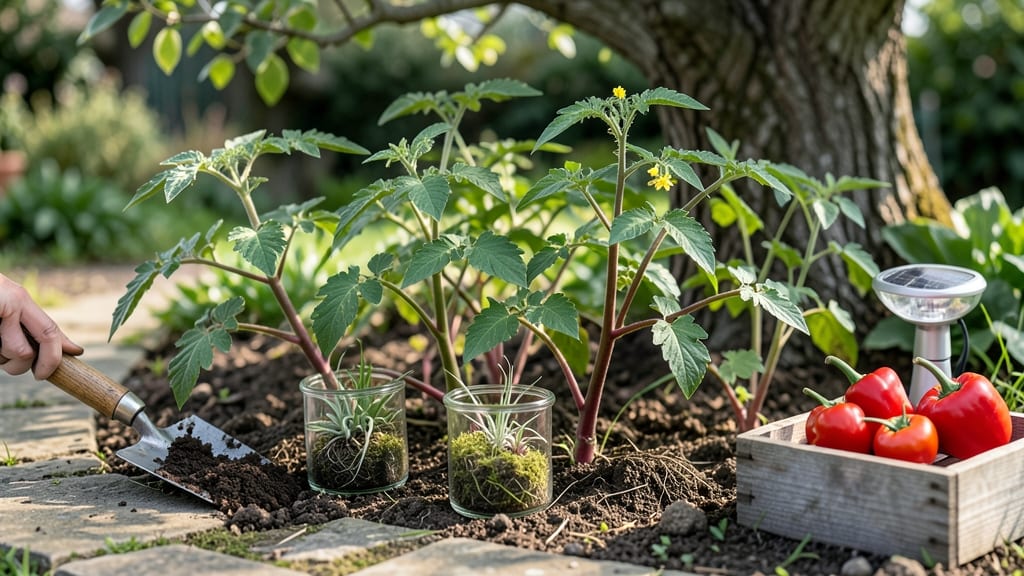
Tomato seedlings tolerate cold only up to 32°F (0°C) before frost damage sets in, but their true limits depend on their age and how fast the temperature drops.
If you’ve ever watched your tomato seedlings shiver in chilly morning air and wondered just how much cold they can handle before wilting for good, you’re not alone—many gardeners face this dilemma every spring.
The difference between a thriving transplant and a frost-killed disaster often comes down to precise temperature limits. A brief dip into the 40s°F (4-9°C) might slow growth, but sustained cold below 50°F (10°C) stresses young plants, while anything near freezing can kill them in minutes.
Below, I break down the exact thresholds by seedling stage, how to spot cold damage early, and the best ways to protect your 🍅 starts—whether you’re in USDA Zone 6a or further north.
Exact temperature thresholds for tomato seedlings: °F limits by growth stage
Tomato seedlings are famously frost-sensitive, but their cold tolerance varies dramatically depending on their growth stage. While mature tomato plants can handle brief dips into the 50°F range, seedlings often suffer permanent damage at 55°F or lower.
Understanding these temperature thresholds helps you protect your seedlings from early spring chills or late frost surprises.
Seedlings at different stages—germination, early sprouts, and hardened transplants—react differently to cold. For example, a 2-week-old seedling can tolerate 50°F for a few hours, but a hardened 6-week-old transplant might survive 45°F overnight with protection. Let’s break down the exact °F limits for each stage.
If you’re gardening in USDA Zones 3–5, where frosts linger into May, these thresholds become even more critical. For example, a 32°F frost will kill unprotected seedlings instantly, while a 40°F chill might only cause cosmetic damage if the seedlings are hardened off.
Always monitor your local frost dates and adjust planting times accordingly.
Hardening off—gradually exposing seedlings to cooler outdoor temps over 7–10 days—can push their cold tolerance down by 5–10°F. Start by placing them outside for 1–2 hours daily in partial shade, then gradually increase exposure. This process mimics natural spring temperature fluctuations and prepares seedlings for transplanting shock.
In Zone 6a (like much of the Midwest), where last frosts average April 15, aim to transplant hardened seedlings by May 1 to avoid cold snaps.
Use row covers or cloches to extend the safe window if frost warnings linger. Even a single night below 40°F can set back growth for weeks.
Recovery after cold stress depends on the severity of damage. If only the leaves blacken but the stem remains firm, prune the damaged foliage and move the seedling to warmer conditions.
However, if the stem becomes mushy or discolored, the seedling is likely beyond saving. Always prioritize prevention over cure—a little extra protection now saves hours of heartbreak later.
For gardeners in warmer climates (Zones 7–10), cold tolerance is less of an issue, but temperature swings can still stress seedlings. Even a 50°F night after a 90°F day can shock young plants. Use shade cloth during heatwaves and row covers for unexpected chills to maintain stable conditions.
Pro tip: Keep a seedling heat mat (set to 70–75°F) under trays indoors to ensure consistent germination and early growth. This small investment pays off when seedlings are stronger and more resilient when faced with outdoor temperature fluctuations. Even in ideal climates, temperature consistency is key to healthy seedlings.
Signs of cold damage in tomato seedlings: how to identify and rescue affected plants
Tomato seedlings are delicate, and even a light frost can leave them looking like they’ve been through a war. The first signs of cold damage often appear as wilting leaves or a glossy, water-soaked look—these are your plant’s SOS signals.
If you notice blackened leaf edges or stunted growth, your seedlings may have suffered irreversible damage. But don’t panic yet—some symptoms mean temporary stress, while others signal permanent harm.
Cold damage in tomato seedlings falls into two categories: reversible chilling (temperatures between 40°F and 50°F) and fatal frost damage (below 32°F). Reversible damage might show as yellowing leaves or slow growth, while frost damage often presents as mushy stems or crispy, brown foliage.
The key is acting fast—some seedlings can bounce back with proper care, even after near-lethal cold exposure.
⚠️ Critical Cold Tolerance Limits for Tomato Seedlings
Germination stage: 70°F–90°F (below 50°F halts germination).
Seedling stage: 55°F–65°F (below 40°F causes stress; below 32°F kills tissue).
Hardened transplants: 45°F–50°F (survive brief dips but suffer long-term damage below 35°F).
Frost danger: Any temperature below 32°F for more than 1–2 hours is lethal without protection.
Start by examining the stems—if they feel soft or mushy when pressed, your seedlings have likely suffered irreversible frost damage. Healthy stems should be firm and slightly woody. Next, check the leaves: Blackened or brown patches indicate frost burn, while yellowing between veins suggests chilling stress.
If the damage is only on the outer leaves, your plant may recover with proper care.
To rescue affected seedlings, trim damaged foliage using sterilized scissors to prevent disease. Remove only the blackened or mushy parts—never cut into healthy tissue. After pruning, water deeply to help the plant recover, but avoid overwatering, which can stress already weakened roots.
Move seedlings to a warmer, sheltered spot (like a greenhouse or under a row cover) to speed up recovery.
If the stem is still firm but growth has stalled, your seedlings may just need time and warmth. Increase bottom heat (using a heat mat) and provide bright, indirect light to encourage regrowth.
Avoid fertilizing until new growth appears—weakened plants can’t handle extra nutrients. Monitor for pests or fungal infections, which often follow cold stress, and treat with neem oil if needed.
For seedlings with mushy stems or extensive blackening, recovery is unlikely, but you can propagate healthy cuttings from unaffected parts. Take 4–6 inch cuttings from the base of the stem, remove lower leaves, and root them in moist perlite or water.
With luck, you’ll get new plants while your garden recovers from the cold snap.