
Companion Plants
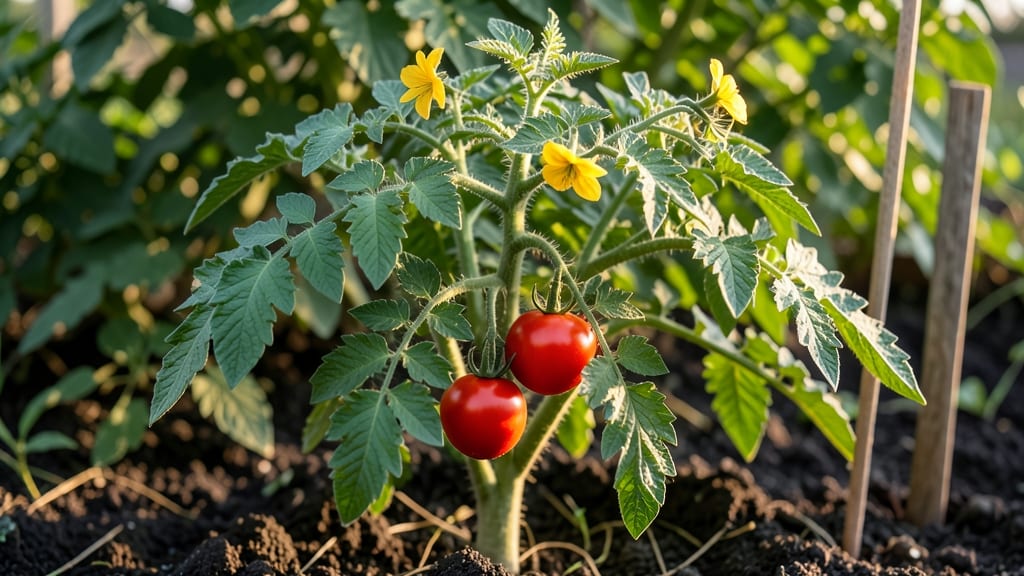
Tomato plants turning white isn’t just unsightly—it’s a silent harvest killer. 🌱 Honestly, I’ve watched entire vines collapse from that chalky white dust, and the worst part? It often starts before you even notice.
That’s why I’ve narrowed down the top causes—fungal infections like powdery mildew, calcium deficiencies from uneven watering, or even humidity trapping moisture against the leaves—and the 3-step fix that works every time.
The first sign is usually those white powdery spots on the undersides of leaves, but it can also show up as pale, leathery patches or even white crusts on stems.
I’ve seen gardeners blame everything from overwatering to poor soil, but the real culprits are almost always poor airflow or excess moisture lingering on the plant. The good news?
You can reverse it with simple adjustments—like pruning for better airflow, applying a homemade baking soda spray, or adjusting your watering schedule to keep roots happy but leaves dry.
Within a week of treating it right, you’ll see new green growth pushing through, and those white patches will start to fade. The key is catching it early—once the fungus spreads to the stems, recovery gets trickier.
But don’t panic: even if your plants look like they’ve been dusted with flour, they’re often still salvageable with the right care. Here’s exactly how to bring them back to vibrant, productive life.
This fix works for container tomatoes, raised beds, and in-ground gardens alike, whether you’re dealing with heirlooms or hybrids. The same principles apply whether your white patches are from mildew, nutrient stress, or environmental factors. Let’s get those plants back on track before the blight takes over.
Root Causes Behind White Tomato Foliage
When your once-vibrant tomato plants start showing white patches, powdery coatings, or bleached leaves, it’s usually a sign of stress or infection. Understanding the why behind these symptoms is the first step to saving your harvest.
Below, we break down the most common culprits—from fungal invaders to environmental missteps—and explain how they trigger this alarming change.
Fungal diseases are the #1 reason tomato leaves turn white or develop a chalky, powdery texture. These pathogens thrive in warm, humid conditions and can spread rapidly if left unchecked.
- Powdery Mildew – The most notorious fungal offender, Erysiphe cichoracearum, creates a white, powdery film on leaves, blocking sunlight and stunting growth. It loves high humidity (70%+) and poor airflow, often attacking young plants or overcrowded gardens.
- White Mold (Sclerotinia) – While it starts as white, fuzzy growth, severe cases can turn leaves brown and mushy. It thrives in cool, wet soil and attacks stressed plants, especially those with damaged stems.
- Downy Mildew – Unlike powdery mildew, this fungus appears white and fuzzy on the undersides of leaves (often mistaken for spider mites). It spreads via water splashes and thrives in shady, damp conditions.
💡 Pro Tip: Fungal spores can survive in soil or plant debris for years. Always rotate crops and remove infected leaves immediately to prevent spread.
Tomato plants are tough, but extreme or inconsistent conditions can shock them into turning white. These issues are often reversible with quick fixes.
| Cause | How It Triggers Whitening | Fix It Fast |
|---|---|---|
| Heat Stress (Temps >90°F) | Leaves bleach or scorch from sunburn, especially if plants lack shade or water. | Provide afternoon shade (use shade cloth) and deep watering at soil level. |
| Cold Shock (Temps <50°F) | Leaves turn white or translucent from chilling injury, disrupting cell function. | Use row covers or move pots to a sheltered spot. Avoid watering before frost. |
| Overwatering or Poor Drainage | Root rot or oxygen deprivation causes leaves to yellow, then whiten as nutrients stop flowing. | Check soil moisture—top 1–2 inches should dry between waterings. Amend soil with perlite or compost. |
| Underwatering | Leaves curl and whiten from dehydration, especially in sandy soil. | Water deeply 1–2x/week (more in heat). Use mulch to retain moisture. |
✨ Key Insight: Tomato plants hate soggy feet but also wilting. Aim for consistent moisture—not drenched or bone-dry soil.
Some pests don’t just eat tomato leaves—they sap nutrients or inject toxins, causing whitening or stippling. Here’s who’s likely guilty:
- Spider Mites – These tiny red/yellow pests suck plant juices, leaving white speckling or stippling on leaves. They thrive in dry, dusty conditions and multiply fast in heat.
- Aphids – Clusters of green/black bugs excrete sticky honeydew, which can foster sooty mold (a black, powdery fungus). Infested leaves may turn white or yellow.
- Whiteflies – Adults are tiny white moths that cluster on undersides; their larvae skeletonize leaves, leaving a lacy white pattern.
🔥 Quick Action: Blast pests off with a strong spray of water or use neem oil (1 tsp per quart of water) to disrupt their life cycle.
Next, we’ll dive into 3 science-backed fixes to reverse these issues and restore your tomato plants to peak health. Stay tuned!
Revive Your Tomato Plants Now
When your tomato plants start turning white, it’s a clear sign they’re under stress—but don’t panic! With the right approach, you can nurse them back to health and even prevent future issues.
Below are targeted fixes for common causes, from fungal infections to environmental stressors, along with prevention tips to keep your plants thriving.
If your tomato leaves are covered in a white, powdery coating or fuzzy patches, fungal blight is likely the culprit. These infections thrive in humid, poorly ventilated conditions, but they’re treatable.
🔥 Step 1: Remove Infected Foliage
- 🔪 Snip off any leaves, stems, or fruit showing white spots or mold.
- 🗑️ Dispose of them in the trash (not compost)—fungal spores can survive in compost piles.
- Pro tip: Sterilize your pruners with rubbing alcohol between cuts to prevent spreading spores.
🍳 Step 2: Apply Fungicide - 🌿 Organic option: Mix 1 tbsp baking soda + 1 tsp dish soap + 1 gallon water in a spray bottle.
Apply to both sides of leaves in the early morning (avoid wet foliage at night to prevent rot). - 💊 Chemical option: Use a copper-based fungicide (like Bordeaux mixture) or neem oil spray (1 tsp neem oil + 1 tsp mild soap per quart of water).
Reapply every 7–10 days until the issue clears. - 🌡️ Prevention tip: Space plants 18–24 inches apart for better airflow and water at the base (not overhead) to keep leaves dry.
⏰ Step 3: Adjust Growing Conditions - 🌞 Increase sunlight: Fungal blight loves shade.
Ensure your tomatoes get 6–8 hours of direct sun daily. - 💨 Improve airflow: Trim nearby plants or use small fans (on low) to circulate air around your tomatoes. - 🌧️ Reduce humidity: If your garden is naturally damp, mulch with straw to keep soil moist but not soggy.
If your tomato leaves are white with yellow or brown edges, it’s often a sign of over- or under-fertilization, particularly calcium or magnesium deficiency.
📊 Step 1: Test Your Soil
- Grab a soil test kit (available at garden centers) to check pH and nutrient levels.
- Ideal pH for tomatoes: 6.0–6.8. If it’s too high (alkaline), plants can’t absorb calcium.
💪 Step 2: Amend the Soil
- 🥗 For calcium deficiency (blossom end rot prevention):
- Sprinkle crushed eggshells or gypsum around the base of the plant.
- Use a balanced fertilizer (like 10-10-10) or a calcium nitrate solution (1 tbsp per gallon of water).
- 🍎 For magnesium deficiency:
- Apply Epsom salt (1 tbsp per foot of plant height) mixed into the soil or as a foliar spray (1 tbsp per gallon of water).
🎯 Step 3: Adjust Watering
- 💧 Keep soil consistently moist (not soggy) to prevent nutrient uptake issues.
- ✨ Prevention tip: Mulch heavily to retain moisture and prevent soil pH fluctuations.
In extreme heat (above 90°F), tomato leaves may turn white or bleached as a protective response to sunburn.
👨🍳 Step 1: Provide Shade
- 🌿 Use shade cloth (30–50% coverage) during peak afternoon sun.
- 🏡 Move potted tomatoes to a spot with morning sun and afternoon shade.
🥘 Step 2: Boost Hydration
- 💦 Water deeply in the early morning or late evening to reduce evaporation.
- 🌱 Use drip irrigation or soaker hoses to keep roots cool and moist.
🔥 Step 3: Protect with Mulch
- 🌾 Apply 2–3 inches of straw or wood chips to keep soil temperatures stable.
- 💡 Pro tip: White or light-colored mulch (like gravel) can reflect excess heat in very hot climates.
To keep your plants from turning white in the future: ✅ Rotate crops annually to prevent soil-borne diseases. ✅ Plant companion plants like basil, marigolds, or onions to deter pests and improve airflow. ✅ Monitor humidity—avoid overcrowding and ensure proper drainage. ✅ Harvest regularly to reduce stress on the plant. ✅ Inspect plants weekly for early signs of trouble (white spots, wilting, etc.).
With these simple, actionable steps, your tomato plants should bounce back—and you’ll be on your way to a bountiful, blight-free harvest! 🍅✨
Frequently asked questions
Why do tomato leaves turn white in patches but stay green elsewhere?
This is often a sign of powdery mildew or nutrient stress. Fungal infections like powdery mildew create isolated white patches by blocking sunlight to specific areas, while nutrient deficiencies (like calcium or magnesium) cause uneven whitening as the plant struggles to distribute resources. Check leaf undersides for fuzzy white growth—if present, it’s likely fungal.
Can I still harvest tomatoes if the leaves are turning white?
Yes, but focus on healthy fruit first. If the whitening is from fungal disease (like powdery mildew), avoid harvesting fruit from infected branches to prevent spreading spores. For nutrient-related whitening, you can safely pick tomatoes—just address the soil issue to prevent future problems. Always wash tomatoes thoroughly before eating.
How often should I spray my tomato plants with baking soda solution?
Apply a baking soda spray (1 tbsp baking soda + 1 tsp dish soap + 1 gallon water) every 7–10 days for fungal prevention. For active infections, spray every 5–7 days until the white patches disappear. Always spray in the early morning so leaves dry quickly, reducing humidity that fuels fungal growth. Stop spraying if you see leaf burn (brown spots).
Will pruning help my tomato plants recover from white patches?
Pruning improves airflow and sunlight penetration, which are critical for recovery. Remove infected leaves completely and trim back overcrowded branches to 18–24 inches apart. Prune in the morning so wounds dry quickly, and use sterilized shears to avoid spreading disease. Focus on opening up the plant’s center for better air circulation.
Can white tomato leaves turn green again?
Yes, with prompt action! If the whitening is from fungal disease, you’ll see new green growth within 1–2 weeks of treating with fungicide and improving airflow. For nutrient deficiencies, recovery takes 2–3 weeks after amending soil. The key is catching it early—once the fungus spreads to stems or fruit, recovery becomes much harder. Consistency is everything!