
Pests
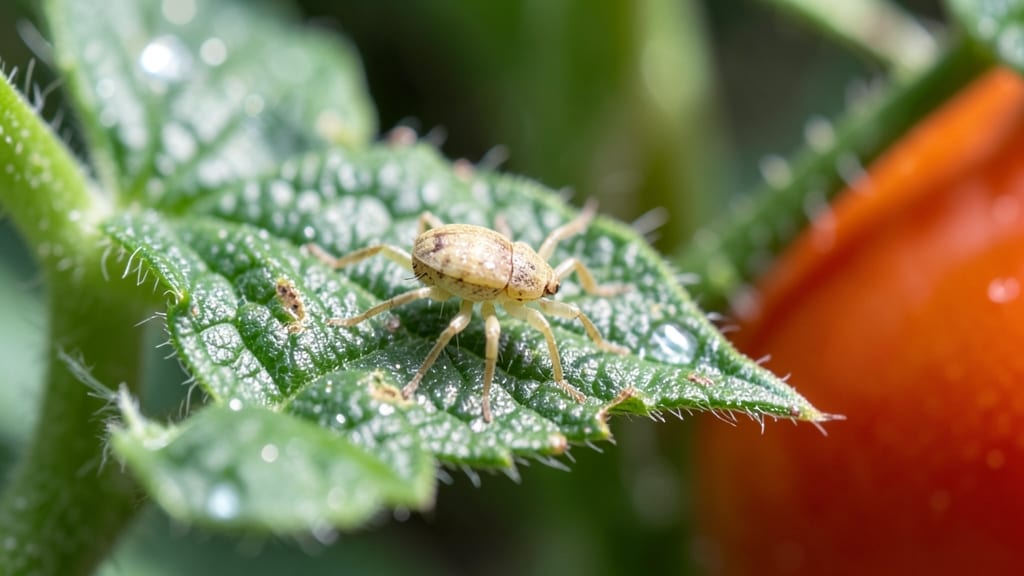
When your tomato leaves look like they’ve been sandpapered by tiny, invisible invaders, russet mite treatment isn’t just helpful—it’s urgent. 🌱 I’ve watched entire harvests ruined by these microscopic pests, but a neem oil and soap spray combo stopped the damage within days.
The key is acting fast before the stippling turns into leaf curl and fruit deformities.
Most gardeners miss the early signs because russet mites are nearly invisible to the naked eye. You’ll spot them by the silvery, sandpaper-like texture on the undersides of leaves—often mistaken for drought stress.
Unlike spider mites, they thrive in hot, dry conditions, so your morning watering habits might actually be inviting them. The good news? Organic remedies work just as effectively as chemicals when applied correctly.
By mixing neem oil with insecticidal soap and spraying every 5-7 days for two weeks, you’ll see new growth emerge stipple-free within a week. The plants recover faster than you’d expect, and the fruit stays smooth and blemish-free.
This isn’t just about saving the current harvest—it’s about breaking the cycle so next year’s tomatoes start strong.
For severe cases, repeat the treatment every 10-14 days until the first frost, and consider adding reflective mulch to disrupt their life cycle.
If your plants look like they’ve been through a war zone, don’t wait—grab the spray bottle and turn things around before the damage spreads to your peppers and eggplants too.
Hidden Threats Behind Tomato Damage
If your tomato plants are suddenly covered in tiny specks, their leaves are curling like crumpled paper, or their fruit looks dull and discolored, the tomato russet mite might be the culprit.
These microscopic pests don’t just wreak havoc—they thrive in specific conditions, often slipping under the radar until the damage is visible. Understanding why they strike is the first step to stopping them in their tracks.
Let’s break down the key factors that turn your lush tomato plants into a russet mite buffet.
The tomato russet mite (Aculops lycopersici) is a tiny, heat-loving pest that thrives in high temperatures (80°F–95°F / 27°C–35°C). When tomato plants are stressed from drought, extreme heat, or poor soil moisture, their defenses drop. Here’s how it happens:
- Reduced sap pressure: Underwatered plants produce less sap, which is the plant’s natural way of flushing out pests. Russet mites, which feed on plant juices, find stressed plants an easier target.
- Thinner cell walls: Heat and drought cause cell walls to weaken, making it simpler for mites to pierce and suck out nutrients. This leads to the signature silvering or bronzing on leaves.
- Slower recovery: Plants under stress can’t repair damage quickly, allowing mite populations to explode in just 7–10 days.
💡 Pro Tip: Monitor soil moisture with your finger—if the top inch is dry, water deeply in the morning to reduce stress. Mulching with straw or wood chips helps retain moisture and cool root zones.
Russet mites love shady, humid microclimates—the kind created when tomato plants are packed too closely together or grown in low-light conditions. Here’s why overcrowding is a recipe for disaster:
- High humidity traps mites: Poor airflow prevents leaves from drying quickly after watering, creating a sticky, mite-friendly environment. Humidity above 70% speeds up their reproduction cycle.
- Shared pests: Overcrowded plants allow mites to spread rapidly from one leaf to another via wind or garden tools. A single infected plant can contaminate an entire row in weeks.
- Nutrient competition: When plants compete for sunlight and nutrients, their immune responses weaken, making them more susceptible to mite attacks.
🌡️ Fix It: Space tomato plants 18–24 inches apart and prune lower leaves to improve airflow. If growing in containers, ensure pots are at least 12 inches in diameter and place them where they get 6–8 hours of sunlight daily.
Russet mites are not picky—they’ll hitch a ride on anything that moves. If your garden had a past infestation or you’ve used shared tools, you’re at higher risk. Here’s how it spreads:
- Infested plants as starters: Buying or transplanting infected seedlings is the #1 way russet mites enter a garden. Even if leaves look healthy, mites can hide in the soil or on roots.
- Contaminated pruners or gloves: Mites or their eggs can cling to garden tools, transferring to new plants when you prune or harvest.
- Windborne spread: Lightweight mites can drift on breezes, especially in greenhouses or polytunnels where air circulation is limited.
✨ Prevention Checklist:
- Inspect new plants for silvering, stippling, or curled leaves before transplanting.
- Disinfect tools with 70% isopropyl alcohol or a 10% bleach solution between uses.
- Avoid planting tomatoes in the same spot yearly—rotate crops to break the mite life cycle.
Russet mites have a preference for tender, new growth. Here’s why young or recovering plants are especially vulnerable:
- Thin cuticles: New leaves have softer, less waxy surfaces, making it easier for mites to penetrate and feed.
- High nutrient demand: Fast-growing plants are packed with sugars and amino acids—a russet mite’s favorite snack.
- Weakened defenses: Plants recovering from disease, transplant shock, or nutrient deficiencies can’t mount an effective response to pests.
🔥 Early Intervention: If you notice mites on young plants, act immediately. Isolate affected plants and treat with a neem oil-soap spray (see our treatment guide for the recipe). Avoid over-fertilizing—too much nitrogen encourages soft, mite-attracting growth.
Practical Fixes for Russet Mite Damage
Now that you know the causes behind russet mite infestations, it’s time to tackle them head-on with targeted solutions. Whether your tomatoes are showing silvery undersides, stunted growth, or premature fruit drop, these easy-to-follow fixes will help you reclaim healthy plants—fast.
We’ve broken down the best remedies by cause, so you can act with confidence.
Cause: Heavy mite populations thrive in dense foliage and fallen leaves. Fix:
- 🍳 Inspect daily – Check the undersides of leaves for tiny red or brown mites (use a magnifying glass if needed).
- 👨🍳 Prune aggressively – Snip off severely affected leaves (especially lower ones) and drop them in a sealed bag for disposal.
- 🥘 Clean up debris – Remove fallen leaves, stems, and plant waste from the soil to starve mites of hiding spots.
- ⏰ Timing tip: Do this in the early morning when mites are least active.
Cause: Weakened plants attract more pests, and mites spread faster in stressed tomatoes. Fix:
1. Neem Oil Spray (Best for Heavy Infestations)
Neem oil disrupts mite life cycles and repels them naturally. Use it every 5–7 days until mites disappear.
- 🔪 Mix: 1 tbsp neem oil + 1 tsp mild dish soap (like Castile) + 1 quart water.
- 🌡️ Apply: Spray thoroughly on both sides of leaves, especially undersides. Avoid spraying in direct sunlight (it can burn foliage).
- ✨ Pro tip: Add a few drops of garlic oil (½ tsp per quart) to enhance repellent effects.
2. Soap Spray (Fast-Kill for Mild Cases)
A simple insecticidal soap solution smothers mites on contact. Best for early-stage infestations.
- 🍳 Mix: 1 tbsp potassium-based soap (like Dr. Bronner’s) + 1 quart water.
- 👨🍳 Spray: Focus on new growth and leaf undersides.
Reapply every 3–4 days for 2 weeks. - 💡 Caution: Test on a small leaf first—some plants are sensitive to soap.
3.
Horticultural Oil (For Stubborn Cases) If mites persist, a refined horticultural oil (like JMS Stylet Oil) suffocates eggs and adults. - 🥘 Mix: 1 tbsp oil + 1 quart water + ½ tsp soap (as an emulsifier). - ⏰ Best time: Apply at dusk when temperatures are below 85°F (29°C) to prevent plant stress.
Cause: Dry, hot conditions and poor airflow create perfect breeding grounds for russet mites. Fix: - 💡 Increase humidity – Use a mist spray bottle to lightly dampen leaves in the morning (miters hate moisture). - 🎯 Improve airflow – Space plants 12–18 inches apart and prune for open canopies. - 🌿 Mulch properly – Use straw or grass clippings (not plastic) to retain soil moisture and deter mites. - 🔥 Avoid over-fertilizing – Too much nitrogen = soft, mite-loving leaves.
Use a balanced 10-10-10 fertilizer instead.
Once your tomatoes are mite-free, keep them that way with these long-term strategies: - 🌱 Introduce predator insects – Ladybugs, lacewings, and predatory mites (like Phytoseiulus persimilis) devour russet mites naturally.
Buy them from garden centers or release them at dawn/dusk. - 🍎 Rotate crops – Never plant tomatoes (or other solanaceous plants like peppers/eggplants) in the same spot two years in a row. - 🌿 Use reflective mulch – Aluminum foil or silver plastic mulch confuses mites and reduces egg-laying. - 🔥 Solarize soil (for severe cases) – Cover infested beds with clear plastic for 4–6 weeks in hot sun to kill overwintering mites.
If your plants are severely stunted or mites return after treatment, consider: - 💊 Chemical controls (last resort) – Acaricides like abamectin or spirotetramat (e.g., Oberon®) are effective but harmful to bees.
Use only at night when pollinators are inactive. - 🌱 Replace heavily infested plants – If tomatoes are past saving, pull them and sterilize tools with 70% rubbing alcohol to prevent spread.
Final Thought: Consistency is key—mites multiply fast, so stick to your spray schedule and monitor plants daily. With these fixes, your tomatoes will bounce back stronger than ever! 🍅💪
Frequently asked questions
How can I tell if my tomato plants have russet mites instead of spider mites?
Russet mites leave silvery or bronze stippling on the upper leaf surface, while spider mites create yellow speckling on the undersides. Also, russet mites thrive in hot, dry conditions and rarely form visible webs—unlike spider mites. Check for curled leaves or deformed fruit as another clue.
Will neem oil work if I only spray the tops of the leaves?
No—always spray both sides of leaves, especially undersides where mites hide. Neem oil needs direct contact to work. For stubborn cases, add a few drops of garlic oil to enhance effectiveness. Apply in the early morning or evening to avoid leaf burn.
Can I use regular dish soap instead of insecticidal soap for russet mites?
No, regular dish soap can damage plant leaves. Always use potassium-based insecticidal soap (like Dr. Bronner’s). Test on a small leaf first—some tomato varieties are sensitive. Mix 1 tablespoon per quart of water and apply every 3-4 days for 2 weeks.
How long does it take to see results after treating russet mites?
With consistent treatment (every 5-7 days), you should see new growth emerge stipple-free within 1-2 weeks. Severe cases may take 3-4 weeks for full recovery. Monitor plants daily and continue spraying until all signs disappear.