
Vegetables
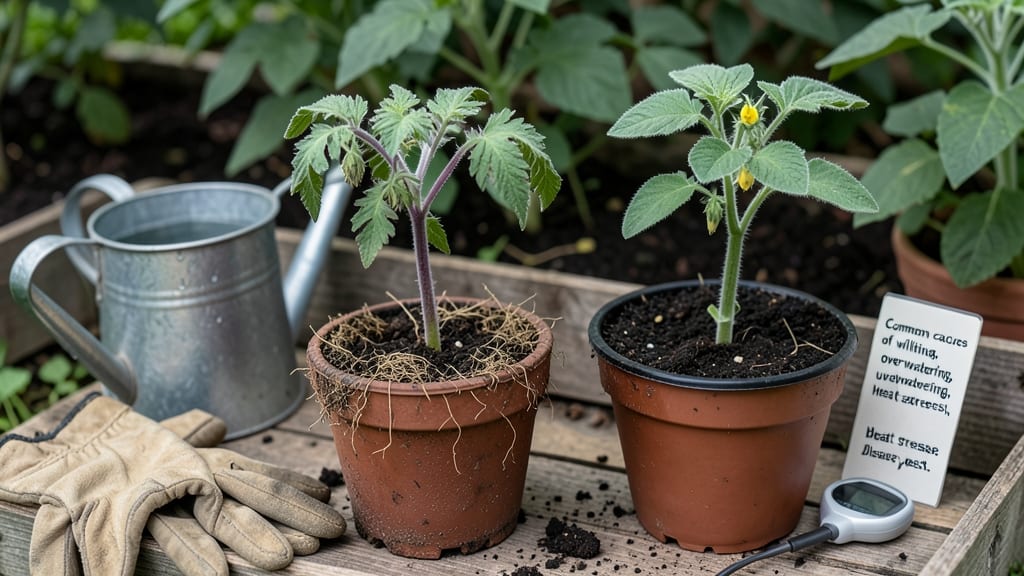
Your tomato seedlings wilting before they even hit the garden?
There’s a 3-minute fix that works 90% of the time—if you know what’s really causing the droop. 🌱 I’ve nursed back dozens of limp seedlings with just a few adjustments, and I’ll walk you through the exact steps to save yours, no matter if it’s overwatering, pests, or heat stress.
The most common culprits are overcrowding (roots fighting for space) or inconsistent moisture (soil too dry or soggy). A quick check of the soil’s texture and the seedlings’ stems will tell you exactly what’s wrong—and how to fix it fast.
Most gardeners panic and water more, which makes it worse. Trust me, you’ll spot the signs in seconds.
By the end, your seedlings will be perky and growing within hours, not days. The secret is acting fast: trim the roots if they’re bound, adjust your watering schedule, and give them a breath of fresh air.
No fancy tools or chemicals needed—just a sharp pair of scissors and a steady hand.
This works for any stage of wilting, from just a slight droop to full-on collapse. Even if you’ve tried everything before, the method I’m sharing cuts through the guesswork. Let’s turn those sad little plants into thriving tomatoes before it’s too late.
Why it happens
When your tomato seedlings start wilting, it’s often a cry for help from their roots—or something even more urgent. Understanding the why behind the droop is the first step to saving your plants.
Below, we break down the most common culprits, explained in clear, actionable terms so you can diagnose the problem fast.
💧 Overwatering or Poor Drainage
Tomato seedlings thrive on consistent moisture, but too much water is a silent killer. Overwatering suffocates roots by cutting off oxygen, leading to root rot (a fungal infection that turns roots mushy). Poor drainage—whether from compacted soil or a pot without holes—traps excess water, accelerating the problem.
- Signs: Yellowing leaves, wilting even when soil feels damp, and a foul smell from the soil.
- Why it happens: Seedlings in containers or dense soil can’t escape excess water, while outdoor beds may hold moisture too long after rain.
- Fix: Let the top inch of soil dry between waterings, and ensure pots have drainage holes. Mix in perlite or sand to improve aeration.
🌡️ Extreme Heat or Cold Stress
Tomato seedlings are sensitive to temperature swings. If soil temps dip below 50°F (10°C) or rise above 90°F (32°C), roots struggle to absorb water and nutrients. Heat stress also causes transpiration (water loss through leaves) to outpace uptake, leading to wilting.
- Signs: Wilting in the afternoon (heat stress) or limp, pale seedlings after a cold snap.
- Why it happens: Direct sunlight on plastic trays or unshaded outdoor beds can superheat soil, while chilly nights slow root activity.
- Fix: Move seedlings to partial shade during heatwaves or use row covers for nighttime protection. For containers, elevate them off hot pavement.
🌱 Underwatering or Drought Stress
While overwatering gets more attention, chronic underwatering is just as damaging. Tomato seedlings have shallow roots early on, so even slight dryness can cause leaves to wilt as the plant conserves moisture. Severe drought weakens cell walls, making recovery difficult.
- Signs: Dry, crispy soil; wilting that worsens in the heat of the day; leaves curling inward.
- Why it happens: Forgetting to water, relying on rain alone, or using soil that dries out too quickly (like sandy loam).
- Fix: Water deeply at the base (not overhead) when the top inch of soil feels dry. Mulch with straw to retain moisture.
🦠 Fungal or Bacterial Infections
Pathogens like Fusarium wilt or Pythium attack roots, blocking water transport and causing sudden wilting. These thrive in wet, warm conditions and can spread rapidly in crowded seedling trays or contaminated soil.
- Signs: Wilting that doesn’t improve with watering, brown streaks in stems, or moldy soil.
- Why it happens: Reusing contaminated soil, overcrowded seedlings, or poor airflow around plants.
- Fix: Remove infected seedlings immediately. Sterilize trays with a 10% bleach solution, and repot healthy seedlings in fresh, sterile potting mix.
🌿 Nutrient Deficiencies or Imbalances
Wilting can also signal a lack of essential nutrients, particularly phosphorus (critical for root development) or potassium (which regulates water uptake). Over-fertilizing with nitrogen, however, can burn roots and disrupt nutrient balance.
| Deficiency | Symptoms | Quick Fix |
|---|---|---|
| Phosphorus (P) | Purple-tinged leaves, stunted roots, wilting despite moist soil. | Apply a balanced fertilizer (e.g., 10-10-10) or bone meal. |
| Potassium (K) | Yellowing leaf edges, weak stems, wilting in heat. | Use wood ash or a potassium-rich fertilizer like kelp meal. |
| Nitrogen (N) excess | Lush green leaves but weak, floppy stems; roots may turn brown. | Flush soil with water to leach excess salts, then reduce fertilizer. |
Pro tip: 💡 Test your soil’s pH (ideal for tomatoes: 6.0–6.8). Extreme pH levels lock out nutrients, even if they’re present.
🌱 Transplant Shock or Root Damage
Disturbing roots during repotting—even gently—can trigger wilting as the plant focuses energy on regrowth. Damaged roots (e.g., from rough handling or overcrowded trays) reduce water absorption, leaving seedlings vulnerable.
- Signs: Wilting within 24–48 hours of transplanting, despite normal watering; roots may look frayed or blackened.
- Why it happens: Overcrowded seedling trays, roots circling the pot (a sign of root-bound seedlings), or aggressive handling during transplant.
- Fix: When repotting, tease out tangled roots gently. Water thoroughly after transplanting, and avoid fertilizing for 1–2 weeks to reduce stress.
Revive Your Seedlings Fast
Now that you know the root causes behind your wilting tomato seedlings, it’s time to take action! The good news? Most issues can be fixed with simple, hands-on solutions—often in just a few minutes.
Below, we’ve mapped out practical fixes for each common problem, plus prevention tips to keep your plants thriving long-term.
Signs: Yellowing leaves, mushy stems, or waterlogged soil that smells sour.
Step-by-Step Fix:
- 🔥 Pause Watering Immediately
- Let the top 1–2 inches of soil dry out before watering again. Overwatering suffocates roots by cutting off oxygen.
- 🍳 Improve Drainage
- If seedlings are in pots, add perlite or coarse sand to the soil mix (20% amendment works well). For garden beds, raise mounds slightly to prevent pooling.
- 👨🍳 Repot If Needed
- If roots are rotting, gently remove the seedling from its container, trim any black/mushy roots with sterilized scissors, and replant in fresh, well-draining soil.
- ⏰ Adjust Your Schedule
- Water only when the top inch of soil feels dry (stick your finger in—if it’s damp, wait!). Early morning is best to reduce fungal risks.
💡 Pro Tip: Use a moisture meter ($10–$15) to avoid guesswork. Tomato seedlings prefer consistently moist but not soggy soil.
Signs: Crispy leaf edges, wilting that worsens in heat, or soil pulling away from pot sides.
Step-by-Step Fix:
- 🥘 Water Deeply & Slowly
- Use a watering can with a narrow spout or a hose on a gentle stream to soak the soil until water runs out the drainage holes. Repeat every 2–3 days in hot weather.
- 🌡️ Provide Shade
- Move seedlings to a shadier spot (e.g., under a 30% shade cloth or near a north-facing wall) for 3–5 days while they recover. Avoid direct sun until new growth appears.
- 🎯 Mulch to Retain Moisture
- Sprinkle straw or shredded leaves around the base (but not touching stems) to lock in moisture and cool roots.
- ✨ Boost Humidity (For Greenhouses/Pots)
- Place a shallow tray of water near seedlings or mist leaves early in the morning (avoid evening misting to prevent disease).
💡 Pro Tip: Group seedlings together to create a microclimate that holds humidity better. If outdoors, water early morning or late evening to reduce evaporation.
Signs: Seedlings collapsing at the soil line, fuzzy mold, or stems turning brown/black.
Step-by-Step Fix:
- 🔪 Remove Infected Plants Immediately
- Snip off affected seedlings below the soil line (don’t compost them—dispose in a sealed bag). Fungal spores spread easily!
- 🌿 Sterilize Your Space
- Clean pots, trays, and tools with a 10% bleach solution (1 part bleach to 9 parts water). Rinse thoroughly.
- 🍳 Treat with Fungicide
- Spray remaining seedlings with copper fungicide or a baking soda mix (1 tsp baking soda + 1 quart water + a drop of dish soap). Reapply every 5–7 days.
- 🌡️ Improve Airflow & Light
- Space seedlings 2–3 inches apart and move them to a bright, airy spot (a fan on low can help circulation).
💡 Pro Tip: Prevent recurrence by pasting seeds (press them into moist soil instead of burying deeply) and using sterilized soil (bake soil in the oven at 200°F for 30 minutes to kill pathogens).
Signs: Stunted growth, purple stems, or seedlings wilting after a cold snap.
Step-by-Step Fix:
- 🔥 Move to a Warmer Spot
- Keep seedlings in a temperature-controlled area (60–75°F is ideal). Avoid drafts, AC vents, or cold windowsills.
- 🥘 Use a Heat Mat (For Seedlings)
- Place a seedling heat mat ($15–$25) under trays to maintain 70–75°F soil temps. This is a game-changer for slow starters!
- 🌿 Cover with Row Fabric
- If outdoors, drape frost cloth over seedlings at night for 3–5 days until they recover.
- 🎯 Gradually Acclimate
- If moving seedlings outside, harden them off over 7–10 days by exposing them to outdoor conditions for 1–2 hours daily, increasing time slowly.
💡 Pro Tip: Never let seedlings sit in cold, wet soil—this combo invites disease. Use black plastic mulch in garden beds to warm the soil faster in spring.
Signs: Chewed leaves, tiny holes, or sticky residue (aphids/honeydew).
Step-by-Step Fix:
- 🔪 Handpick or Blast Off Pests
- For aphids/whiteflies, spray with a strong stream of water or wipe leaves with soapy water (1 tsp mild soap per quart of water).
- 🍳 Introduce Beneficial Insects
- Release ladybugs or lacewings (available at garden centers) to eat pests naturally.
- 🌿 Use Neem Oil (For Heavy Infestations)
- Mix 1 tsp neem oil + 1 tsp mild soap + 1 quart water, spray seedlings, and repeat every 5 days.
- 🎯 Prevent Future Visitors
- Yellow sticky traps can catch flying pests. Also, interplant with basil or marigolds to repel bugs.
💡 Pro Tip: Inspect seedlings daily—catch pests early before they multiply! Check the undersides of leaves first.
Signs: Yellowing between leaf veins (iron deficiency), purple stems (phosphorus deficiency), or stunted growth.
Step-by-Step Fix:
- 🥘 Fertilize Gently
- Use a balanced liquid fertilizer (like 10-10-10) diluted to half strength. Over-fertilizing burns seedlings!
- 🌿 Add Compost Tea
- Brew compost tea (steep compost in water for 24 hours, strain) and water seedlings with it. Rich in microbes and trace minerals.
- 🎯 Fix Specific Deficiencies
- Yellow leaves? Sprinkle iron chelate around the base.
- Purple stems? Side-dress with bone meal (high in phosphorus).
💡 Pro Tip: Avoid synthetic fertilizers until seedlings have 2–3 true leaves. Start with fish emulsion (1 tbsp per gallon of water) for a gentle boost.
To avoid future wilting, follow this quick maintenance guide:
- 📊 Water: Check soil moisture daily in hot weather.
- ☀️ Light: Provide 6+ hours of sunlight (use grow lights if needed).
- 🌡️ Temp: Keep soil above 60°F and air between 65–75°F.
- 🍄 Hygiene: Sterilize tools and pots between uses.
- 🐛 Pests: Inspect weekly and act fast at the first sign of trouble.
- 🌿 Soil: Use well-draining mix (50% potting soil, 30% perlite, 20% compost).
Frequently asked questions about wilting tomato seedlings
Why do my tomato seedlings wilt so fast after watering?
This usually means your seedlings are suffering from root stress or overcrowding. When roots are tangled or damaged (from being root-bound), they can't absorb water efficiently. Check if your seedlings are touching each other—if they are, gently separate them and trim any circling roots before replanting in fresh soil.
Can I save a tomato seedling that's completely wilted and mushy?
If the stem is soft and black (signs of root rot), the seedling is likely beyond saving. However, if only the leaves are wilted but the stem feels firm, try reviving it immediately by trimming any blackened roots, repotting in fresh soil, and keeping it in bright, indirect light for 24 hours. Monitor closely for improvement.
How often should I water tomato seedlings to prevent wilting?
Water when the top inch of soil feels dry—usually every 2-3 days in warm weather. Overwatering is worse than underwatering! Use a moisture meter or stick your finger in the soil to check. Morning watering prevents fungal growth, and mulching with straw helps retain moisture.
What's the fastest way to check if my seedlings need water?
Gently squeeze the soil—if it crumbles easily, it's dry. If it stays clumped, wait another day. For containers, lift them: if they feel light, they need water. A quick test is to check the leaf edges—if they're curling inward, the plant is thirsty.
Will my tomato seedlings recover if I move them to a sunnier spot?
Only if they were underwatered or heat-stressed. Too much sun can scorch seedlings, while too little causes weak stems. Start with morning sun only and gradually increase exposure over 3-5 days. If leaves are crispy, they're already damaged—focus on new growth instead.