
How To
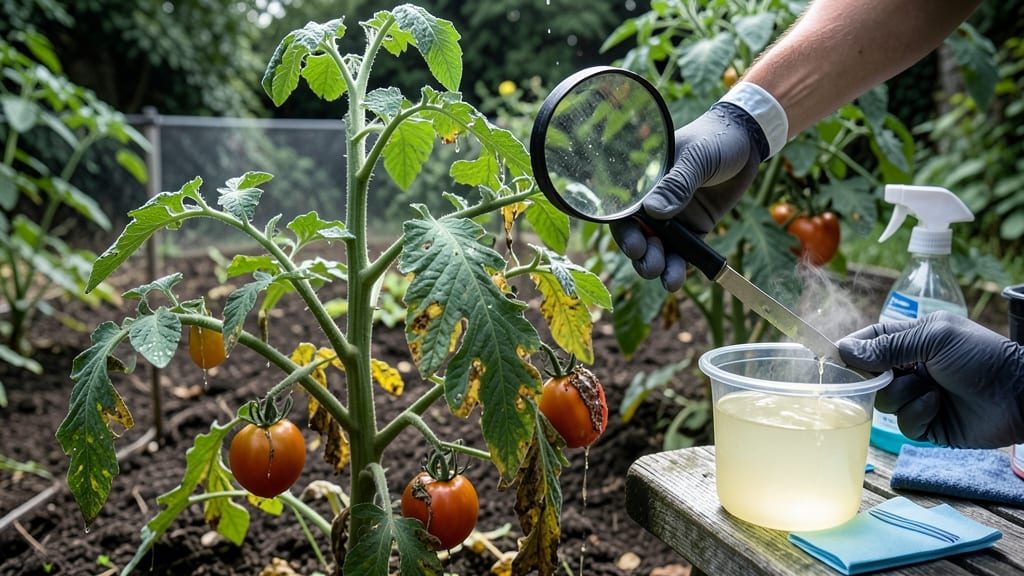
Your prized tomatoes turning to mush overnight? 🌱 That foul, fermented smell is Pectobacterium or Dickeya bacteria—tomato soft rot—and it spreads faster than you can say "lost harvest." I’ve watched this silent killer wipe out entire plants in days, but I’ve also learned how to stop it before it starts.
The first sign is wilting stems that don’t perk up, even when watered, followed by brown, water-soaked lesions that ooze a slimy mess. Once it sets in, there’s no saving the fruit, but you can save your garden with copper sprays, proper spacing, and a few key hygiene habits.
I’ll show you how to catch it early and keep your tomatoes thriving.
📚 In This Guide
- What you need
- Instructions
- Tips and common mistakes
- Wrapping up and next steps
What you need
- ● Healthy tomato seedlings or plants: Disease-free, preferably from a trusted nursery (2–5 plants, depending on garden size).
- ● Well-draining potting mix or garden soil: 5–10 gallons, enriched with compost (aim for 60–70% organic matter).
- ● Containers or garden bed: Containers: 5-gallon pots with drainage holes (2–4 plants per pot).
- ● Garden bed: Raised or in-ground, with 6+ inches of soil depth.
- ● Balanced fertilizer: 10-10-10 or 5-5-5 (organic options like fish emulsion or worm castings work too! Use 1 tbsp per plant every 4–6 weeks).
- ○ Copper fungicide: 1–2 oz per gallon of water (for preventive sprays). Optional but highly effective!
- ● Pruning shears: Sterilized with rubbing alcohol (70% or higher).
- ● Mulch: Straw, wood chips, or shredded leaves (2–3 inches thick to retain moisture and deter soil splatter).
- ● Watering can or hose with adjustable nozzle: Avoid overhead watering—use a drip irrigation system or soaker hose for precision.
- ● Gloves: Heavy-duty gardening gloves to protect your hands from soil and bacteria.
- ● pH testing kit: To ensure soil pH is between 6.0–6.8 (tomatoes thrive here!).
- ○ Baking soda (optional): 1 tsp per gallon of water for a natural fungicidal spray (test on a small leaf first!).
- ● Spray bottle: For targeted applications of fungicides or homemade remedies.
- ● Choose a sunny spot with 6–8+ hours of direct sunlight daily.
- ● Ensure proper spacing: 18–24 inches between plants to improve airflow.
- ● Rotate crops if possible—avoid planting tomatoes in the same spot as last year’s solanaceae family (peppers, eggplants, potatoes).
How to identify and prevent tomato soft rot in your garden
Soft rot can turn a thriving tomato harvest into a slimy mess overnight—here’s how to spot it early and stop it before it spreads.
🌱 Step 1: Recognize the Early Signs Before It’s Too Late
Soft rot starts with water-soaked spots on the fruit—these look like tiny, translucent blisters that quickly enlarge. Check your tomatoes daily after rain or overhead watering, especially on the side facing the soil. The rot spreads fast, turning the flesh mushy and emitting a foul odor. If you see just one affected tomato, isolate it immediately to prevent contamination.
Here’s the thing—you’ll often find soft rot hiding under leaves or buried in the plant’s foliage. Gently lift leaves to inspect the fruit clusters. The moment you see even a single half-inch waterlogged area, quarantine that plant and its neighbors. Don’t wait until the fruit is oozing—by then, the bacteria (Erwinia spp.) have already spread.
💧 Step 2: Adjust Watering Practices to Starve the Bacteria
Soft rot thrives in wet conditions, so your first line of defense is watering at the base only, never overhead. Use a soaker hose or drip irrigation to deliver water directly to the soil, keeping leaves dry. Water in the early morning so foliage has all day to dry out—wet leaves at night create the perfect breeding ground for bacteria.
I know it seems weird, but resist the urge to water stressed plants. Instead, mulch heavily with 2-3 inches of straw or shredded leaves to retain moisture in the soil while keeping the surface dry. This prevents splashing bacteria from the soil onto fruit. If your tomatoes are already showing signs, reduce watering temporarily to let the soil dry slightly between sessions.
☀️ Step 3: Improve Airflow and Prune for Prevention
Crowded tomato plants trap humidity, giving soft rot bacteria the perfect environment to multiply. Prune suckers and lower leaves to create 6-12 inches of space between plants and improve airflow. Focus on removing leaves that brush against the soil or fruit—these are high-risk zones for bacterial entry.
This is the moment that matters: If you’ve already spotted soft rot, remove all affected leaves and fruit within 12 inches of the infected area. Don’t compost them—toss in the trash to prevent reinfection. Sterilize your pruners with a 10% bleach solution between cuts to avoid spreading bacteria further.
✂️ Step 4: Apply Copper-Based Fungicide as a Last Resort
If soft rot appears despite your best efforts, a copper fungicide spray (like copper sulfate or Bordeaux mixture) can help suppress bacterial growth. Apply it in the early evening when temperatures are below 85°F, following label instructions. Copper disrupts bacterial cell walls, slowing the spread—but it won’t cure already infected fruit.
Don’t overapply. Copper can build up in the soil and harm beneficial microbes over time. After treatment, monitor plants closely for 2-3 days. If new rot appears, repeat the spray and consider removing the entire plant to prevent further contamination. Real talk: Sometimes the best move is to cut your losses and start fresh with disease-resistant varieties next season.
🌿 Step 5: Rotate Crops and Sanitize Beds Next Year
Soft rot bacteria survive in soil for years, so don’t replant tomatoes or potatoes in the same spot for at least 3 years. Instead, rotate with unrelated plants like beans, lettuce, or onions. Before replanting, amend the soil with compost and lime to raise the pH slightly—bacteria like Erwinia prefer acidic conditions.
Here’s how I do it: After harvest, remove all plant debris, till the soil, and solarize it by covering with clear plastic for 4-6 weeks in summer. The heat kills lingering bacteria and pathogens. If you’re dealing with a severe outbreak, consider replacing the top 6 inches of soil with fresh, sterile mix to break the cycle.
Tips & tricks for preventing tomato soft rot
These practical strategies will help you catch soft rot early and protect your tomato plants from total collapse.
Early Detection is Everything: In Step 1, when you're checking for those half-inch waterlogged spots, use a flashlight to inspect the undersides of leaves where rot often hides. I've caught soft rot early by simply lifting leaves after a rainy day—this is when the bacteria get their best foothold. The key is acting within hours of noticing the first sign, before the bacteria can spread through the plant's vascular system.
Watering Wisdom: Step 2's emphasis on early morning watering is non-negotiable. I've seen soft rot outbreaks after gardeners watered at night, creating a humid environment that bacteria love. For extra protection, add a thin layer of coarse sand (about ½ inch) around the base of plants—this creates a barrier that prevents soil splashes from reaching the fruit. This simple trick has saved multiple harvests in my garden.
Pruning Precision: When you're removing leaves in Step 3, focus on any that touch the soil or fruit clusters. I use clean, sharp pruners and immediately wipe them with rubbing alcohol between cuts. The 12-inch removal zone mentioned is critical—bacteria can travel through plant tissue surprisingly fast. If you're dealing with a severe outbreak, consider removing entire branches rather than just individual leaves to contain the spread.
Copper Application Strategy: For Step 4's copper fungicide, I recommend applying it on a calm evening when temperatures are below 85°F and no rain is forecasted for 24 hours. The spray should be fine enough to coat leaves thoroughly but not so heavy it causes runoff. I've found that applying copper every 7-10 days during wet seasons provides better prevention than single treatments. Remember, copper won't cure existing infections but can significantly slow the spread to healthy parts of the plant.
Pro Tips for Tomato Soft Rot
- These practical strategies will help you catch soft rot early and protect your tomato plants from total collapse.
- Early Detection is Everything: In Step 1, when you're checking for those half-inch waterlogged spots, use a flashlight to inspect the undersides of leaves where rot often hides.
- Watering Wisdom: Step 2's emphasis on early morning watering is non-negotiable.
Frequently asked questions
Got questions about tomato soft rot?
You’re not alone! Here are answers to the most common concerns—so you can keep your tomatoes firm, fresh, and delicious.
What causes tomato soft rot in the first place?
Soft rot is usually caused by Erwinia bacteria, which thrive in warm, humid conditions. Overwatering, poor air circulation, or physical damage (like bruising) create the perfect entry points. Fungal infections can also contribute, especially if tomatoes are stored in damp environments.
How quickly does soft rot spread once it starts?
Soft rot spreads fast—sometimes within 24–48 hours if conditions are ideal (high humidity, warm temps). You’ll notice mushy spots first, followed by foul odors. Act immediately to isolate affected tomatoes and prevent cross-contamination to healthy ones!
Can I save a tomato that’s already showing soft rot?
Unfortunately, no. Once soft rot sets in, the tomato is beyond saving. However, you can minimize further damage by removing it promptly, disinfecting tools with rubbing alcohol, and improving airflow in your garden or storage area.
What’s the best way to prevent soft rot in homegrown tomatoes?
Prevention is key! Here’s a quick checklist:
- Water at the base (avoid wetting leaves/fruit).
- Space plants for airflow (3–4 feet apart).
- Harvest ripe tomatoes promptly—don’t let them overripe on the vine.
- Store in cool, dry places (50–55°F) if not using immediately.
- Rotate crops yearly to avoid bacterial buildup.
Are store-bought tomatoes at risk for soft rot too?
Yes! Store-bought tomatoes can develop soft rot if mishandled—especially if bruised or stored in high-humidity conditions (like a cramped fridge drawer). Check for firmness before buying, and store them stem-side down in a paper towel-lined container to absorb excess moisture.
Pro Tip:
If you’re growing tomatoes in containers, elevate them (use saucers or drip irrigation) to keep stems dry. Wet foliage = bacterial buffet!
Wrapping up and next steps
Tomato soft rot doesn’t have to be the end of your hard work—early detection and proactive care can save your harvest! By understanding the signs, improving airflow, and using the right tools, you can keep your tomatoes healthy and thriving. Stay vigilant, act fast, and your garden will thank you!
Ready to take action? Start by inspecting your plants weekly and implementing the prevention tips you’ve learned. With a little effort, you’ll enjoy a bountiful, rot-free harvest all season long! 🍅✨