
Pests
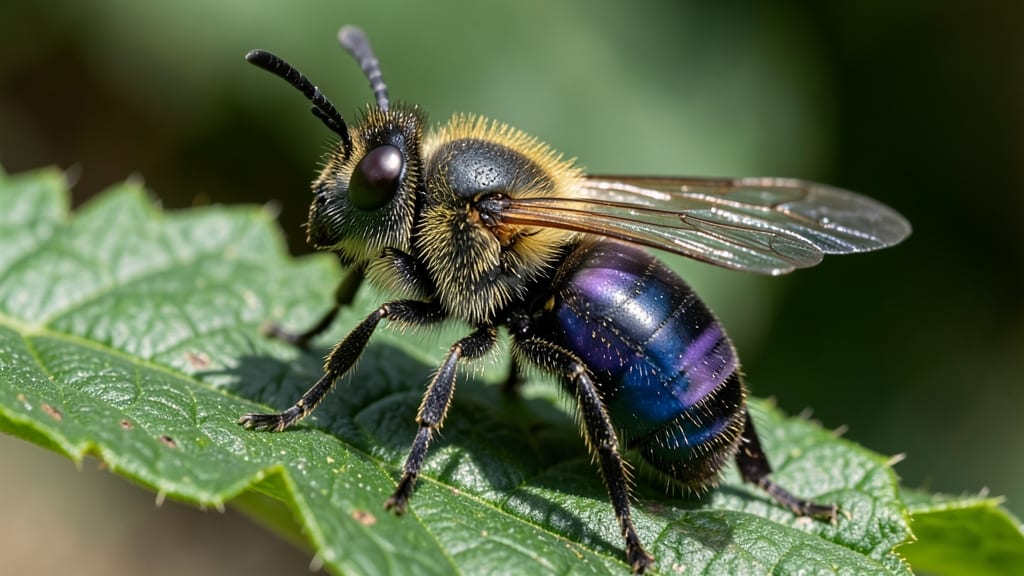
The tomato worm wasp is the tiny superhero your garden needs to stop those striped caterpillars from devouring your leaves faster than you can pluck them. These parasitic wasps lay their eggs inside hornworms, and their larvae feast on the pest from within, halting destruction in its tracks.
No sprays, no fuss—just nature’s built-in pest control.
Here’s the catch: these wasps aren’t the flashy, obvious pollinators like bees. They’re small (about ¼-inch long), black or brown, and their presence is often missed until you notice hornworms with white cocoons poking out of their backs—a sure sign the wasps are at work.
The best part? They only target destructive pests like hornworms, leaving your tomatoes and other plants untouched. Think of them as the garden’s silent security detail, patrolling for trouble while you harvest.
To attract them, skip the pesticides and plant dill, fennel, or parsley—their favorite nectar sources. Leave some chewed leaves on plants (yes, really) to signal hornworms are present, and they’ll arrive faster.
Within weeks, you’ll see fewer caterpillars and more of those telltale cocoons. It’s not instant, but it’s the most effective, long-term fix for hornworm outbreaks—no chemicals required.
Fair warning: if you’re squeamish about wasps, this might feel unsettling at first. But these aren’t the aggressive yellowjackets that swarm picnics—they’re solitary, harmless to humans, and they’ll save your tomatoes from becoming a hornworm buffet. Once you see the results, you’ll wonder why you didn’t invite them over sooner.
Why it happens
The tomato worm wasp—scientifically known as Megachile spp.—might seem like a tiny, harmless fly, but its larvae are the real troublemakers. These wasps don’t sting or swarm; instead, they lay eggs inside tomato fruits, where their larvae burrow through the flesh, creating unsightly tunnels and ruining your harvest.
Understanding why this happens is the first step to stopping it. Here’s what’s really going on in your garden:
🌱 Attractive Tomato Varieties Draw Them In
Tomato worm wasps are drawn to ripe, flavorful tomatoes, especially varieties with thin skins or soft flesh. Why? Because their larvae need a nutrient-rich environment to thrive. Heirloom tomatoes, cherry tomatoes, and overripe fruit are particularly vulnerable because:
- Sweeter, softer fruit is easier for wasps to penetrate with their ovipositors (egg-laying tools).
- Thin-skinned tomatoes (like some cherry or grape types) offer less resistance, making them prime real estate for egg-laying.
- Overripe or damaged fruit emits volatile compounds that signal "easy access" to wasps scouting for nesting sites.
Actionable fix: Harvest tomatoes promptly when they reach peak ripeness, and remove any bruised or overripe fruit from plants to reduce attractants.
🌿 Dense Plantings Create Ideal Hiding Spots
Wasp larvae need protection from predators and harsh weather, and dense tomato plants provide the perfect cover. When tomatoes grow in crowded conditions:
- Shade and humidity are trapped between leaves, creating a microclimate that extends the wasp’s active season.
- Fewer natural predators (like birds or parasitic wasps) can patrol the area effectively, leaving the tomato worm wasps unchecked.
- Physical barriers (like thick foliage) make it harder for gardeners to spot early signs of infestation (e.g., tiny holes or sawdust-like frass).
Actionable fix: Space tomato plants 18–24 inches apart to improve airflow and visibility. Prune lower leaves to reduce hiding spots for wasps.
🌡️ Warm, Stable Climates Extend Their Season
Tomato worm wasps thrive in consistent warmth, which is why they’re more common in southern U.S. states, greenhouses, or late-season gardens. Here’s how temperature plays a role:
| Temperature Range | Wasp Activity | Larval Development Risk |
|---|---|---|
| Below 60°F (15°C) | Minimal activity; wasps seek shelter. | Low (larvae may die or enter diapause). |
| 60–75°F (15–24°C) | Peak oviposition (egg-laying) season. | High (optimal conditions for larvae). |
| Above 85°F (29°C) | Activity slows; wasps seek shade. | Moderate (larvae may desiccate if fruit dries). |
Actionable fix: In hot climates, use shade cloth (30–50%) over tomato plants to disrupt their ideal temperature range. Early-morning harvesting (when wasps are less active) can also reduce egg-laying opportunities.
🍅 Poor Garden Hygiene Lets Them Multiply
Leaving debris, fallen fruit, or old plant matter in the garden creates a breeding ground for tomato worm wasps. Here’s how:
- Decaying organic matter provides shelter for adult wasps and food for larvae.
- Uneaten tomatoes on the ground remain vulnerable to wasp attacks for weeks.
- Weeds and ground cover near tomato plants can harbor alternative hosts or food sources for wasps.
Actionable fix: Practice year-round garden cleanup—remove all plant debris, compost fallen fruit (if not infested), and mulch with straw or clean wood chips to deter wasps.
🐝 Lack of Natural Predators Tilts the Scale
Tomato worm wasps face few natural enemies in most home gardens. Without intervention, their populations explode because:
- Birds and lizards (which eat adult wasps) are often deterred by dense foliage or lack of alternative prey.
- Parasitic wasps (like Goniozus legneri) target their larvae but are rarely present in monoculture gardens.
- Ground predators (e.g., beetles, spiders) are less effective against wasp larvae hidden inside fruit.
Actionable fix: Encourage biodiversity by planting companion flowers (e.g., dill, fennel, or marigolds) to attract beneficial insects. Install birdhouses or bat boxes near your garden to boost natural pest control.
Practical ways to outsmart garden invaders
Discovering tiny wasps laying eggs in your tomatoes—or worse, finding their larvae munching away—can feel like a garden nightmare. But don’t panic! With the right strategies, you can regain control without resorting to harsh chemicals.
Below, we’ve mapped out cause-specific fixes and preventive tips to keep your tomato plants thriving. Let’s tackle this step by step.
Before diving into solutions, identify the issue to act fast. Look for:- ✅ Small white eggs on tomato leaves or fruit (about 1mm long).
- ✅ Greenish larvae (tomato hornworm caterpillars) with tiny white cocoons nearby.
- ✅ Chewed leaves or holes in fruit—a late-stage sign the damage is already done.
- ✅ Adult wasps (black and yellow, about ½ inch long) hovering near plants.
Catching these signs early is your best defense—the sooner you act, the less damage your tomatoes will suffer.
If you’ve spotted eggs or larvae, physical removal is often the fastest fix.
🔪 Step-by-Step Removal Guide
- 👨🍳 Put on gloves – Wasps can sting, and larvae might trigger skin irritation.
- 🌿 Inspect leaves and fruit – Use a magnifying glass to find eggs (they look like tiny grains of rice).
- 🧽 Scrape eggs off with a soft brush or damp cloth – Avoid crushing them (it can release pheromones that attract more wasps).
- 🐛 Pick off larvae – For hornworms, drop them into soapy water to kill them instantly.
- 🗑️ Dispose of pests properly – Seal them in a bag and throw them away (don’t compost—wasps may return!).
Pro Tip: 💡 Do this in the early morning when wasps are least active. Also, check the undersides of leaves—that’s where eggs love to hide!
Wasps and their larvae are sensitive to temperature shifts. Use these tricks to break their cycle:
❄️ Freezing Eggs and Larvae
- 🧊 Place infested leaves in a sealed bag and put them in the freezer for 24 hours.
- ☀️ For larvae, wrap them in a damp paper towel and freeze overnight.
- 🌱 Reapply this method every 2–3 days until no more eggs appear.
☀️ Solar Power: Baking Them Out
- 🔥 Place infested plant parts in a black plastic bag and leave them in direct sunlight for 4+ hours.
- The heat will cook the eggs/larvae without harming your tomatoes.
Pro Tip: 🌡️ For severe infestations, combine freezing and baking—alternate days for faster results.
Once you’ve eliminated the current problem, focus on prevention to keep wasps away.
🌿 Plant Companions That Repel Wasps
Some plants naturally deter tomato worm wasps. Interplant these near your tomatoes:
- 🌼 Marigolds – Release a scent wasps dislike.
- 🌿 Basil – Confuses wasps with its strong aroma.
- 🍃 Dill or Fennel – Attracts parasitic wasps that prey on tomato pests.
- 🌱 Nasturtiums – Act as a trap crop (wasps prefer these over tomatoes).
🕷️ Encourage Natural Predators
- 🐝 Ladybugs and lacewings eat tomato hornworm eggs.
- 🕊️ Install a birdhouse – Birds love snacking on adult wasps.
- 🌿 Avoid pesticides – They kill both pests and beneficial bugs.
🧹 Garden Hygiene: Break the Cycle
- 🗑️ Remove fallen leaves and fruit regularly (wasps lay eggs in decaying matter).
- 🌱 Rotate crops – Don’t plant tomatoes in the same spot yearly (wasps remember locations!).
- 💦 Water in the morning – Keeps plants healthy and less attractive to pests.
Pro Tip: ✨ Neem oil spray (1 tsp per liter of water) can disrupt egg-laying—spray on leaves every 5–7 days as a preventative.
If your garden is overrun despite your efforts, consider these last-resort options:- 🛡️ Pheromone traps – Mimic wasp mating scents to lure them away.
- 🧪 BT (Bacillus thuringiensis) – A natural bacterial spray that targets caterpillars (safe for humans/pets).
- 👨🌾 Professional pest control – If wasps are nesting in large numbers near your home.
Remember: Patience and consistency are key. Most gardens bounce back within 2–4 weeks with diligent care!
Frequently asked questions
Are tomato worm wasps dangerous to humans or pets?
No, these wasps are completely harmless to humans and pets! They don’t sting or swarm, and their only target is tomato hornworm larvae. The only risk comes from accidentally squishing them while gardening—wear gloves if you're squeamish. Their tiny size (1/4-inch) and solitary nature mean they pose zero threat to people or animals.
How can I tell if my tomato plants have wasp eggs vs. hornworm eggs?
Tomato worm wasp eggs look like tiny white grains of rice (about 1mm long), often laid in clusters on leaves or fruit stems. Hornworm eggs are yellowish and football-shaped (about 2mm long), usually found on the undersides of leaves. Use a magnifying glass to spot the difference early!
Will neem oil or insecticidal soap kill tomato worm wasp larvae?
Neither will kill larvae inside fruit, but they can help prevent egg-laying. Spray leaves with neem oil (1 tsp per quart of water) every 5-7 days to deter adult wasps. For existing larvae, physical removal (freezing or soapy water) is most effective. Avoid harsh chemicals—they’ll harm beneficial insects too.
Can I still eat tomatoes with wasp larvae inside?
Only if you remove the larvae first! Cut out the infested sections (at least 1-inch around the hole) before eating. For severe cases, discard heavily damaged fruit. The good news: wasps target overripe or damaged tomatoes first, so healthy fruit is usually safe.
How do I attract beneficial wasps that prey on tomato worm wasps?
Plant dill, fennel, or parsley near your tomatoes—their flowers attract parasitic wasps like Goniozus legneri, which hunt tomato worm larvae. Avoid pesticides, leave some chewed leaves on plants (signals for predators), and install birdhouses to attract hornworm hunters like birds and lizards.