
How To
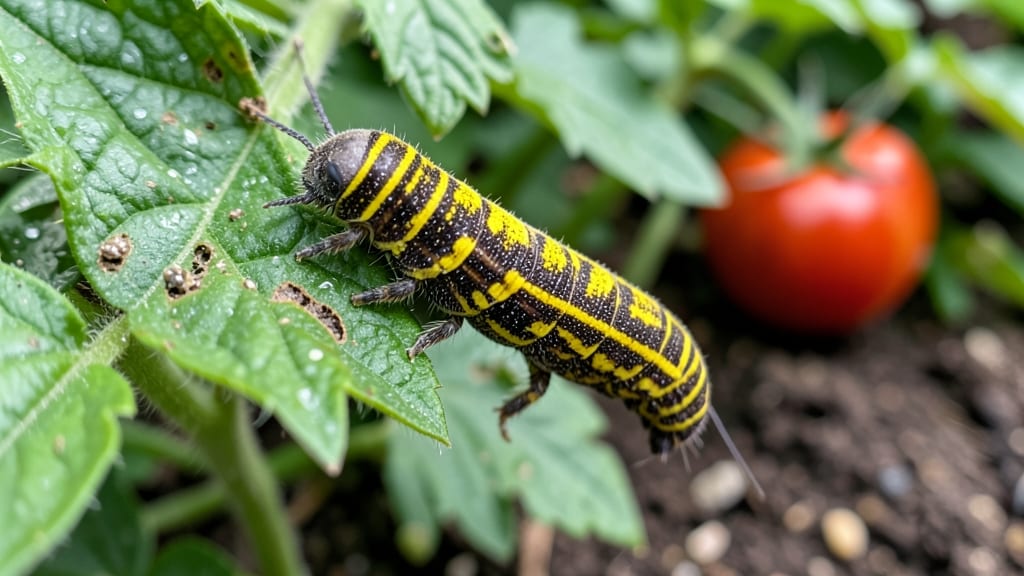
Those tiny tomato yellow-striped armyworms can strip your tomato plants bare in days. 🌱 I’ve watched them turn lush vines into skeleton leaves—until I discovered this organic spray that stops them cold within hours, without harming bees or ladybugs.
The secret isn’t fancy chemicals but neem oil mixed with soap and water—a combo that disrupts their feeding while smelling like a citrusy shield to predators. You’ll need just 3 ingredients and 10 minutes to whip it up, but the results are dramatic: no more chewed leaves by morning.
What you’ll get is tomato plants that stay green and productive while armyworms retreat (or get eaten by birds). The spray works on peppers, eggplants, and even basil too—no more losing crops to these sneaky pests.
Works in all climates, even humid ones where armyworms thrive. Here’s how to make it—and when to reapply for maximum protection.
Root Causes Of Armyworm Outbreaks
When your tomato plants start showing yellow striped caterpillars munching through leaves, the damage isn’t random—it’s the result of specific conditions that turn your garden into an all-you-can-eat buffet for these pests.
Understanding the why behind their arrival helps you break the cycle and protect your crop. Here’s what’s really inviting them to the party:
The yellow striped armyworm (often called the "fall armyworm") has a knack for weak plants. Overripe, stressed, or nutrient-deficient tomatoes become their first choice for a meal. Here’s why:
- Sugar-rich leaves: Plants under stress (from drought, heat, or poor soil) produce more sugars in their leaves, making them tastier to caterpillars. Think of it like a garden version of a candy store.
- Thinner cell walls: Stressed plants can’t defend themselves as well, leaving their leaves softer and easier to chew—like biting into a ripe apple vs. a hard one.
- Attracts egg-laying moths: Female moths can smell stressed plants from miles away. They lay eggs in clusters on the undersides of leaves, and within days, hungry larvae hatch.
Actionable fix: Keep your soil consistently moist (not soggy), use balanced organic fertilizer (like compost or fish emulsion), and prune damaged leaves to reduce stress signals.
These caterpillars don’t just appear—they’re the offspring of moths that ride wind currents from warmer regions. Their lifecycle is highly dependent on temperature:
- Eggs hatch fastest in warmth: Ideal hatching occurs at 77–86°F (25–30°C) at night. If your area has unseasonably warm evenings (especially after a heatwave), expect a surge in armyworm activity.
- Wind spreads moths like seeds: Strong winds can carry adult moths hundreds of miles in a single night. Coastal or open-field gardens are especially vulnerable.
- Short-day cycles trigger outbreaks: In late summer/early fall, when days get shorter, moths time their breeding to coincide with tomato harvests—because that’s when plants are most vulnerable.
Actionable fix:
- 🌡️ Monitor nighttime temps: Use a soil thermometer to track warmth. If nights stay above 75°F (24°C) for 3+ days, inspect plants daily for eggs (tiny white clusters on undersides).
- 💨 Windbreaks help: Plant tall grasses or shrubs around garden edges to disrupt moth flights and reduce egg drops.
Growing only tomatoes (or other nightshades like peppers/eggplants) creates a monoculture—a caterpillar’s dream. Here’s the science:
- No natural predators: Armyworms have fewer enemies in a single-crop system. Birds, parasitic wasps, and beneficial nematodes thrive in diverse gardens but struggle when food sources are limited to one plant type.
- Pheromone confusion: Female moths release sex pheromones to attract males. In a large tomato patch, these signals amplify, leading to mass mating and egg-laying.
- No "trap crops": Wild plants like marigolds or dill can distract moths, but in a sea of tomatoes, they’re ignored.
Actionable fix:
- 🌿 Interplant with diversity: Add basil, nasturtiums, or alyssum between tomato rows. These repel moths and attract predator insects like ladybugs.
- 🌱 Rotate crops yearly: Avoid planting tomatoes (or other nightshades) in the same spot two years in a row to disrupt moth migration patterns.
Tomatoes need consistent moisture to produce glycoalkaloids—natural compounds that make them bitter and less appealing to pests. When they’re drought-stressed:
- Sugar spikes: Plants shut down growth to conserve water, causing carbohydrate buildup in leaves—like a plant version of blood sugar. Armyworms love this sweet, easy snack.
- Slower growth = more time to feed: Stressed plants grow slower, so caterpillars have more time to skeletonize leaves before the plant can recover.
- Root damage attracts moths: Drought-stressed roots release volatile organic compounds (VOCs) that moths can smell, signaling "easy prey ahead!"
Actionable fix:
- 💧 Deep watering > frequent shallow watering: Water early in the morning (before 10 AM) to reduce evaporation and encourage deep root growth.
- 🌱 Mulch heavily: Use straw or wood chips to retain moisture and keep soil temps stable.
Pro Tip: 🔥 Combine these fixes for maximum defense. For example, mulching + companion planting reduces stress and disrupts moth pheromones. Next up: How to hit them fast with organic sprays.
Beat Back Striped Armyworms Naturally
Now that you understand why striped armyworms target your tomatoes, let’s tackle the problem with effective, organic solutions that work fast and protect your plants long-term. Below are practical fixes tailored to the root causes—whether it’s early detection, manual removal, or natural sprays—plus prevention tips to keep your garden safe.
Cause: You spot tiny caterpillars or chewed leaves before damage spreads. Fix:
- 👀 Inspect leaves daily, especially undersides and stems. Look for:
- Yellow or white frass (caterpillar poop)
- Ragged holes in leaves
- Tiny, striped larvae (1/4" to 1" long)
- 🪰 Handpick larvae at dawn or dusk when they’re sluggish. Drop them into soapy water to kill them instantly.
- 🌿 Remove heavily infested leaves and destroy them (don’t compost!) to stop the cycle.
Pro Tip: 💡 Use a flashlight at night—larvae are more active then and easier to spot!
Cause: Infestation is spreading, and you need quick, chemical-free control. Fix: Try these DIY sprays—test on a small leaf first to avoid plant sensitivity.
| Spray Recipe | How to Use | When to Apply |
|---|---|---|
| Neem Oil Spray | Mix 1 tsp neem oil + 1 tsp mild soap + 1 quart water. Shake well. | Evening (avoids harming bees) |
| Garlic & Chili Pepper | Blend 4 garlic cloves + 1 tbsp cayenne + 1 quart water. Strain and spray. | Early morning or late evening |
| Bacillus thuringiensis (Bt) | Follow label instructions for Bt kurstaki (organic bacterial spray). | At dusk (most effective) |
| Soap Spray | 1 tbsp castile soap + 1 quart water. Spray directly on larvae. | Any time (reapply after rain) |
Pro Tip: 🌡️ Reapply every 3–5 days or after rain. Neem oil works best when hot (store in a warm place to activate).
Cause: You want to avoid future outbreaks entirely. Fix: Combine these proactive steps for a striped armyworm-free garden:
- 🌱 Plant Companion Crops
- Marigolds, basil, or nasturtiums repel pests naturally.
- Interplant tomatoes with onions or garlic—their strong scent deters caterpillars.
- 🌙 Use Row Covers Early
- Install floating row covers over young plants to block egg-laying moths.
- Remove covers before flowering to allow pollination.
- 🌿 Encourage Beneficial Predators
- Ladybugs, lacewings, and parasitic wasps eat armyworm eggs. Attract them with:
- Dill, fennel, or yarrow (their favorite nectar plants).
- Avoid broad-spectrum pesticides that kill these helpers.
- Ladybugs, lacewings, and parasitic wasps eat armyworm eggs. Attract them with:
- 🗓️ Stay Ahead with Crop Rotation
- Avoid planting tomatoes or other nightshades (peppers, eggplants) in the same spot for 3+ years.
- 🌙 Nighttime Patrols
- Moths lay eggs at dusk. Shake plants gently to dislodge them or use a UV light trap to catch adults.
Pro Tip: ✨ Plant trap crops like collard greens or mustard greens far from tomatoes—the moths will go there first!
If your garden is heavily infested (50%+ leaf damage) or you’re dealing with large larvae (1" or bigger), consider:
- 🐛 Diatomaceous earth (DE): Sprinkle food-grade DE around plant bases (reapply after watering).
- 🍄 Nematodes (Heterorhabditis bacteriophora): Water soil with beneficial nematodes to attack larvae underground.
- 🛒 Commercial Bt Sprays: Brands like BotaniGard or Xentari are fast-acting for severe cases.
Final Reminder: Consistency is key! Check plants 2–3 times a week, especially after rain (which washes away sprays). With these methods, you’ll outsmart striped armyworms and keep your tomatoes thriving—without chemicals! 🍅💪
Frequently asked questions
How do I tell if my tomato plants have yellow striped armyworms?
Look for ragged holes in leaves, yellow or white frass (caterpillar poop) scattered on foliage, and tiny striped caterpillars (1/4" to 1" long) hiding on undersides. Check stems and leaf edges too—they often start feeding there.
Can I use neem oil if I have bees in my garden?
Yes, but apply it in the evening when bees are less active. Neem oil is bee-safe when used correctly, but avoid spraying flowers directly. The key is timing—wait until flowers close for the day to protect pollinators.
What’s the fastest way to stop an armyworm outbreak?
Handpick larvae at dawn or dusk (they’re sluggish then) and drop them in soapy water. For immediate control, mix 1 tbsp castile soap + 1 quart water and spray directly on caterpillars. This works within hours of application.
Will companion plants really keep armyworms away?
Marigolds, basil, and nasturtiums repel moths naturally, while onions and garlic disrupt caterpillar feeding. Plant them between tomato rows for best results. The scent confuses moths and masks tomato odors.
How often should I reapply organic sprays?
Reapply every 3–5 days or after rain. Neem oil and Bt sprays work best when fresh, so consistency is key. Store sprays in a warm place (like a sunny shelf) to maintain effectiveness.