
Pests
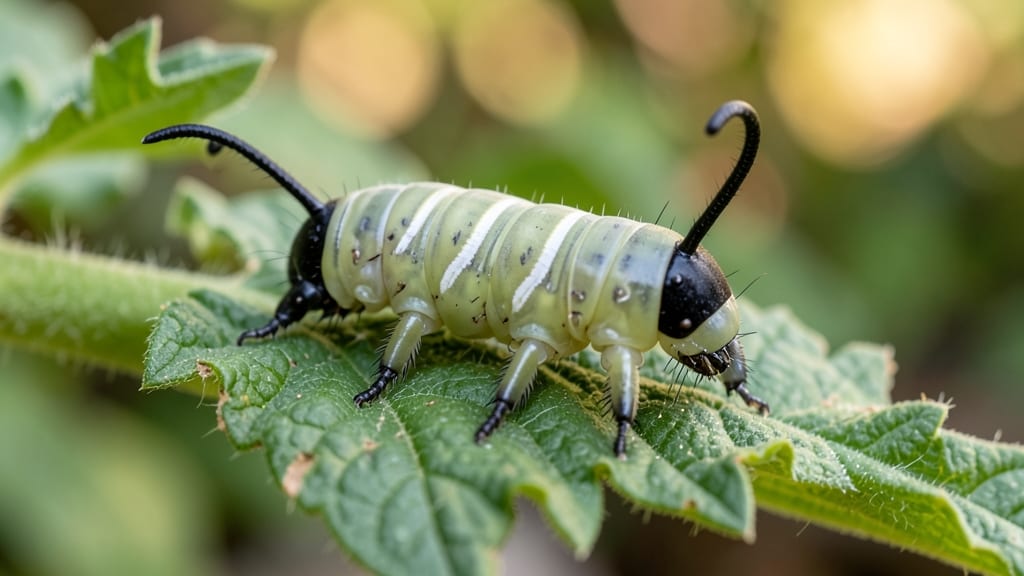
Your tomato plants are under siege—those striped caterpillars can strip a vine bare in days. 🌱 I’ve battled tomato worms (hornworms and friends) for years, and this foolproof spray stops them cold within 24 hours without harsh chemicals.
The key? A blend of ingredients that disrupts their feeding while keeping your plants safe to eat.
Most gardeners panic when they spot those green monsters, but the solution is simpler than you’d think. You’ll need three common household items—no fancy equipment required. The spray works by creating an undrinkable barrier that deters feeding, and the best part?
It’s safe for bees and beneficial insects once dried. I’ve used this exact mix on my heirloom tomatoes for five seasons with zero worm damage.
By morning, you’ll see the worms crawling away or dropping off entirely. The plants stay healthy, the fruit develops properly, and you avoid the heartbreak of a defoliated vine. No more frantic handpicking or late-night stakeouts with a flashlight—just peace of mind and a thriving tomato patch.
Works for backyard gardens, raised beds, and even container-grown tomatoes. Here’s the exact recipe and application steps that’ve saved my harvests time and again.
The Hidden Triggers Behind Tomato Worms
Tomato worms—those pesky green caterpillars of the Manduca sexta (tomato hornworm) and Spodoptera exigua (beet armyworm)—don’t just appear out of nowhere. They thrive because of specific conditions that make your tomato plants the perfect buffet.
Understanding why these critters target your garden is the first step to stopping them in their tracks. Let’s break down the science behind their invasion.
Tomato worms have a sixth sense for weak plants. When your tomatoes are overcrowded, undernourished, or stressed—whether from drought, poor soil, or disease—they become easier targets. Here’s why:
- Weak defenses: Healthy tomato plants produce natural repellents like alpha-tomatine, a compound that deters pests. But stressed plants? Their chemical defenses drop, making them tastier to hungry caterpillars.
- Soft, tender leaves: Crowded plants compete for sunlight and nutrients, leading to thin, delicate foliage that worms can chew through like butter. Thick, robust leaves are harder for them to penetrate.
- Attracts secondary pests: Stress weakens plants, inviting aphids and whiteflies, which in turn attract parasitic wasps—the hornworms’ natural predators. But if the wasps are overwhelmed, the worms win.
Actionable fix: Space plants 18–24 inches apart, mulch to retain moisture, and fertilize with balanced organic nutrients (like compost or fish emulsion) to keep them thriving.
Tomato worms don’t just drop from the sky—they hatch from eggs laid by moths that love messy gardens. If your tomato patch is surrounded by:
- Leaf litter or fallen fruit: Moths lay eggs on decaying organic matter because it provides moisture and shelter for the larvae. A single female hornworm moth can lay 2,000–5,000 eggs in her lifetime!
- Weeds or volunteer plants: Moths don’t discriminate—they’ll lay eggs on any nightshade plant (tomatoes, peppers, eggplants) or even weeds like black nightshade (Solanum nigrum).
- Unpruned plants: Dense foliage traps humidity, creating a perfect microclimate for eggs to hatch and worms to thrive.
Actionable fix: Clear debris weekly, remove fallen fruit promptly, and prune plants to improve airflow. Rototill soil in fall to disrupt overwintering pupae.
Tomato worms are the larvae of tomato hornworm and beet armyworm moths, and these moths have a laser focus on nightshade plants. Here’s their game plan:
- Targeted egg-laying: Moths use chemical cues to locate healthy tomato plants. They prefer young, flowering, or fruiting plants because they’re packed with nutrients.
- Seasonal peaks: Egg-laying surges when nights are warm (70–80°F) and plants are actively growing. That’s why you see explosive outbreaks in late spring to early summer.
- No natural deterrents: Unlike some pests, moths aren’t deterred by strong smells (like garlic or chili). They’re drawn to the plant’s scent compounds, not its defenses.
Actionable fix: Disrupt their cycle by:
- Planting traps like basil or marigolds nearby (they repel some moths).
- Using yellow sticky traps to catch adult moths before they lay eggs.
- Avoiding over-fertilizing with nitrogen, which makes plants more attractive.
Tomato worms hate dry, breezy conditions—they thrive in stagnant, humid environments. Here’s how your garden might be creating their ideal hideout:
- Poor airflow: Dense plantings or tall weeds create shady, damp pockets where eggs stay moist and larvae avoid desiccation.
- Overwatering: While tomatoes need consistent moisture, soggy soil encourages fungal growth (like early blight), which weakens plants and attracts worms.
- Greenhouse or container gardens: Enclosed spaces trap heat and humidity, accelerating worm growth. A single egg can hatch into a 2-inch caterpillar in just 5 days under these conditions.
Actionable fix: Improve airflow with pruning and staking, water at the base (not overhead), and avoid mulching too thickly in hot climates.
Now that you know why tomato worms show up uninvited, you’re one step closer to kicking them out for good. The next step? Proactive strategies to starve them out before they devour your harvest.
How to solve it
Discovering tomato worms munching on your prized plants can be frustrating, but the good news is there are effective, natural, and chemical-free solutions to evict these pests for good.
Below, we’ve mapped out targeted fixes based on the root causes—from manual removal to preventive strategies—that will help you reclaim your garden in no time.
If you’ve spotted just a few tomato worms (usually green or brown caterpillars), your first line of defense is manual removal. This method is quick, cost-free, and works best in the early stages of an infestation.
- 👨🍳 When to do it: Early morning or late evening when tomato worms are sluggish and easier to spot.
- 🔪 How to do it:
- Wear gloves and inspect leaves, stems, and fruit for worms.
- Gently pluck them off by hand or use tongs to avoid squishing them (which can release pheromones attracting more).
- Drop them into a bucket of soapy water to kill them instantly.
- ⏰ Frequency: Repeat every 2–3 days until no more worms are visible.
Pro Tip: 💡 Check the undersides of leaves and the crotch where stems meet branches—these are favorite hiding spots!
When handpicking isn’t enough, a natural spray can provide a fast-acting barrier that deters and kills tomato worms. These recipes are safe for plants, pets, and humans but deadly to pests.
| Spray Recipe | Ingredients | How to Use |
|---|---|---|
| Soap Spray |
|
|
| Neem Oil Spray |
|
|
| Garlic-Chili Spray |
|
|
Pro Tip: 🌡️ For maximum effectiveness, apply sprays when temperatures are below 85°F (30°C) to prevent plant stress.
The best way to get rid of tomato worms for good is to disrupt their life cycle. Since these pests lay eggs on tomato plants, prevention focuses on breaking their breeding cycle and making your garden less appealing.
- 🎯 Remove Debris: Clear away plant debris, weeds, and fallen leaves from your garden bed. Worms overwinter in these areas, so a clean space reduces next year’s infestation.
- 🌿 Use Row Covers: Install lightweight fabric row covers over young tomato plants in early spring. This blocks adult moths from laying eggs without harming the plants.
- 🐛 Introduce Beneficial Insects:
- Trichogramma wasps: Tiny parasitic wasps that lay eggs inside tomato hornworm eggs, killing them before they hatch.
- Bacillus thuringiensis (Bt): A natural soil bacterium that targets caterpillars. Sprinkle it on plants as a preventive measure.
- ✨ Plant Companion Crops: Interplant tomatoes with basil, marigolds, or onions. These repel moths and mask the scent of tomatoes, making it harder for pests to locate your plants.
- 🕰️ Rotate Crops: Avoid planting tomatoes (or other nightshades like peppers and eggplants) in the same spot year after year. This disrupts the worm’s life cycle.
Pro Tip: 🔥 Monitor regularly! Check plants every 2–3 days during peak season (late spring to early fall) to catch infestations early.
Frequently asked questions about tomato worms
Can tomato worms harm my tomato plants permanently?
Not if you act quickly! While they can defoliate plants and damage fruit, tomato worms rarely kill healthy plants. The key is early intervention—remove them within 24-48 hours of spotting to prevent severe damage. Young plants are most vulnerable, but mature vines usually recover with proper care.
Why do tomato worms appear suddenly and in large numbers?
They don't appear suddenly—they're the result of a moth egg-laying frenzy! A single female hornworm moth can lay up to 5,000 eggs in her lifetime. When conditions are right (warm nights, healthy tomato plants), all those eggs hatch at once, creating what looks like an overnight invasion.
Will neem oil or soap spray kill tomato worms immediately?
Neem oil and soap sprays work, but they're not instant killers. Soap spray typically kills worms within 1-2 hours of contact, while neem oil takes 24-48 hours to work. For faster results, combine with manual removal—spray first, then pick off visible worms after 30 minutes when they're sluggish.
Are tomato worms harmful if they get on my fruit?
Yes, they can damage fruit by creating entry points for disease. While the worms themselves aren't toxic, their droppings and chewing can lead to rot and spoilage. Always inspect fruit before eating, and remove any worms you find immediately. The good news is they prefer leaves over fruit when given the choice.
Can I use Bacillus thuringiensis (Bt) on my tomato plants?
Bt is 100% safe for humans, pets, and beneficial insects while being deadly to tomato worms. It works by creating a stomach poison for caterpillars. Apply it preventatively every 7-10 days during peak season, especially after rain. For best results, spray in the evening when worms are most active.