
Companion Plants
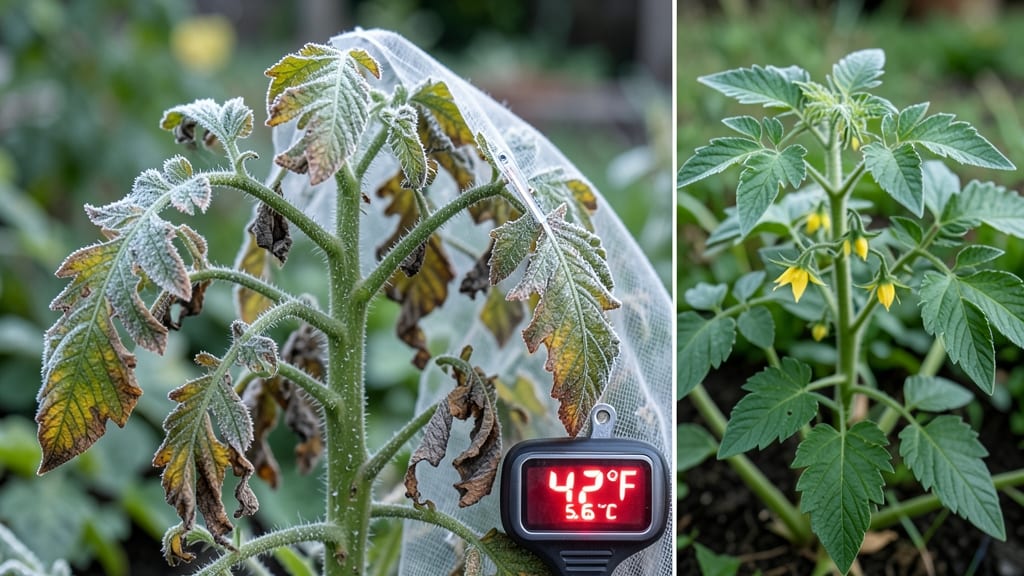
Your tomato dreams aren’t ruined by it’s too cold for tomato plants—just need the right varieties. 🌱 I’ve grown tomatoes in Zone 5 for years, and these cold-hardy picks produce fruit even when temps dip below 50°F. The secret isn’t just choosing the right plants; it’s protecting them from late frosts and short seasons with simple tricks.
The varieties that survive chilly starts include ‘Stupice’ (a 60-day heirloom), ‘Glacier’ (a cold-tolerant cherry), and ‘Mountain Merit’ (disease-resistant and early). Pair them with black plastic mulch or row covers, and you’ll extend the season by 3-4 weeks—enough to get fruit before fall.
You’ll end up with ripe tomatoes in July instead of none at all. The plants handle cooler soil better, set fruit faster, and resist common cold-related diseases. Even my neighbor’s skeptical “cold kills tomatoes” comment changed after his first harvest.
Works for raised beds, containers, or in-ground—just move them to a sunny spot when nights warm up. Here’s how to make it work where you live.
Cold Stress Explained
When your tomato plants shiver under chilly temperatures, it’s not just a matter of them looking sad—it’s a physiological shutdown triggered by environmental stress. Understanding the root causes helps you protect your plants before damage sets in.
Here’s why cold weather stalls or stops tomato growth, and what’s really happening at the cellular level.
🌡️ Low Temperatures Disrupt Metabolism
Tomatoes (Solanum lycopersicum) are warm-season crops, meaning their metabolic processes—like photosynthesis, respiration, and nutrient uptake—slow dramatically below 50°F (10°C). Here’s the breakdown:
- Chlorophyll breakdown: Cold temperatures cause chlorophyll to degrade, turning leaves yellow (chlorosis) and reducing the plant’s ability to convert sunlight into energy.
- Enzyme inactivation: Key enzymes like Rubisco (critical for photosynthesis) become sluggish or denature below 55°F (13°C), halting growth.
- Root stunting: Soil temperatures below 60°F (15°C) restrict root respiration, limiting water and nutrient absorption. Roots may even rot if saturated and cold.
Actionable fix: Use row covers or black plastic mulch to raise soil temps by 2–4°F. Cold-hardy varieties (like ‘Everglide’ or ‘Stupice’) tolerate brief dips to 32°F (0°C) but still need metabolic support.
❄️ Frost Damage and Cell Rupture
When temperatures drop to 32°F (0°C) or below, water inside tomato cells expands as it freezes, causing:
- Cell wall rupture: Ice crystals physically tear plant tissues, leading to blackened leaves or mushy stems.
- Oxidative stress: Cold triggers a surge in reactive oxygen species (ROS), which damage DNA and proteins, accelerating cell death.
- Secondary infections: Frost-weakened plants become prime targets for fungi (like Alternaria) or bacterial rot.
Actionable fix: If frost is forecasted, cover plants with frost cloth or row tunnels at dusk. Avoid overhead watering before freezing—wet leaves conduct cold faster.
🌱 Delayed Germination and Seedling Shock
Tomato seeds and seedlings are extremely sensitive to cold, with germination rates plummeting below 60°F (15°C). Here’s why:
| Temperature Range | Germination Impact | Seedling Risk |
|---|---|---|
| 70–85°F (21–29°C) | Optimal (7–10 days) | Healthy, robust |
| 60–68°F (15–20°C) | Slow (14–21 days) | Leggy, weak stems |
| Below 50°F (10°C) | Failed germination | Seed rot or damping-off |
Actionable fix: Start seeds indoors with a heat mat (70–80°F) and never plant outdoors until soil temps are consistently above 60°F. Use biodegradable seedling pots to avoid transplant shock.
💧 Cold Soil and Waterlogging
Cold soil isn’t just chilly—it’s anaerobic (low in oxygen), which suffocates roots. When combined with excess moisture (from rain or overwatering), tomatoes face:
- Root hypoxia: Waterlogged soil forces roots to use up oxygen faster, leading to fermentation and ethanol buildup, which is toxic.
- Nutrient lockout: Cold slows microbial activity, so nitrogen, phosphorus, and potassium become unavailable even if fertilizer is present.
- Blossom end rot: Calcium uptake halts in cold soil, causing fruit to develop black, sunken patches.
Actionable fix: Improve drainage with raised beds or sand amendments. Water deeply but infrequently to encourage root growth toward warmer subsoil.
Revive and Protect Cold-Stressed Tomatoes
When your tomato plants are shivering in the cold, quick action can make all the difference. Below are practical, step-by-step solutions tailored to the root causes—whether it’s frost damage, late planting, or poor cold tolerance. Plus, we’ll share prevention tips to keep your plants thriving even in chilly climates.
If your plants have already suffered from cold snaps, act fast to minimize harm and encourage recovery.
🔥 Step 1: Inspect and Trim Damaged Foliage
- Check for signs: Look for blackened, mushy leaves or stems—these are dead and won’t recover.
- Prune carefully: Use sterilized pruners (🔪) to cut back damaged leaves 1–2 inches above the damage.
Avoid over-pruning; leave healthy growth to photosynthesize. - Focus on stems: If the main stem is still firm, it can regrow. If it’s soft or hollow, the plant may not recover.
🍳 Step 2: Warm Up the Roots
Cold soil stresses plants just as much as cold air. Raise soil temperature with these methods:
- Mulch heavily: Apply 4–6 inches of straw or leaves around the base (but not touching the stem) to insulate roots. 🌡️
- Use row covers or cloches: Cover plants with floating row covers or plastic tunnels during overnight frosts.
Secure edges with bricks or soil to trap heat. - Black plastic trick: Lay black plastic sheeting over the soil (not the plants) for a few hours in sunlight to warm it up before replanting.
👨🍳 Step 3: Fertilize for Recovery
Cold-stressed plants need extra nutrients to bounce back. Use:
- Balanced fertilizer (10-10-10 or 5-5-5) lightly—too much can burn weakened roots.
- Compost tea or fish emulsion for a gentle nutrient boost without salt buildup.
If your tomatoes are still young or you’re planning ahead, proactive steps can save your harvest.
🌡️ Choose the Right Varieties (Again!)
Not all tomatoes are created equal. Cold-hardy varieties like:
- ‘Stupice’ (tolerates light frosts)
- ‘Mountain Merit’ (resistant to cracking and cold)
- ‘Glacier’ (early producer, handles cooler temps)
are your best bets. Check your USDA zone and pick varieties labeled for Zone 4 or lower.
🌱 Plant Smartly for Warmth
- Wait for the last frost date—but don’t wait too long! Start seeds indoors 6–8 weeks before and transplant after soil reaches 60°F (15°C).
- Use black plastic mulch before planting to warm the soil faster. 🔥
- Plant in raised beds: They warm up 2–3 weeks earlier than in-ground soil.
🏡 Extend the Growing Season
- Cold frames or hoop houses: Simple DIY structures with clear plastic can add 10–15°F (5–8°C) of warmth.
- Greenhouses (even small ones): A low-cost greenhouse or pop-up tunnel can keep plants growing weeks longer in fall.
- Wall-of-water trick: Fill black garbage bags with water and place them near plants at night—they slowly release heat like a thermal mass.
Once your tomatoes are thriving, keep them resilient with these habits:
- 💡 Monitor microclimates: South-facing slopes, near buildings, or under trees can be warmer by 5–10°F (3–6°C).
Plant there! - 🌿 Companion plants for warmth: Grow basil, borage, or marigolds nearby—they repel pests and trap heat with their foliage. - 🎯 Water wisely: Deep watering in the morning (not at night) helps soil retain heat.
Avoid wet foliage, which freezes faster. - 🔄 Rotate crops: If tomatoes struggle in your climate, intercrop with cold-hardy greens (like spinach) in early spring to prep the soil.
Pro Tip: If all else fails, harvest early! Some cold-tolerant varieties (like ‘Siberian’ tomatoes) can produce small, flavorful fruits even in cooler temps—perfect for sauces or salsas. 🍅🍲
Frequently asked questions
What’s the absolute lowest temperature tomato plants can survive?
Most tomato varieties survive brief dips to 32°F (0°C), but only for a few hours. True cold-hardy types like ‘Stupice’ or ‘Glacier’ can handle light frosts down to 28°F (-2°C) with protection. Prolonged exposure below 50°F (10°C) will stunt growth or cause irreversible damage.
Can I still grow tomatoes in Zone 4 or colder climates?
Use cold-tolerant varieties like ‘Mountain Merit’ or ‘Everglide’ paired with season extenders. Start seeds indoors 8-10 weeks early, plant in black plastic mulch, and cover with row fabric. A small greenhouse or cold frame adds 10-15°F of protection.
Why do my tomato seedlings look weak and leggy when it’s cold?
Cold soil (below 60°F/15°C) slows germination and causes seedlings to stretch toward light. Use a heat mat (70-80°F) for seeds and provide 14-16 hours of grow lights daily. Transplant only after soil warms to 60°F—never rush it!
Will row covers actually protect my tomato plants from frost?
Yes! Lightweight row covers raise temperatures by 5-8°F and protect against light frosts (28-32°F/-2 to 0°C). Secure edges tightly and remove during daytime for pollination. For heavier frosts, add plastic tunnels or frost cloth—just ensure good airflow to prevent rot.
Can I save a tomato plant that’s already been frosted?
Trim all blackened, mushy leaves immediately and check stems for firmness. If the main stem is still solid, the plant may recover. Water deeply (but not soggy) and fertilize lightly with compost tea. For severe damage, focus on new growth—some varieties regrow from the base!