
Companion Plants
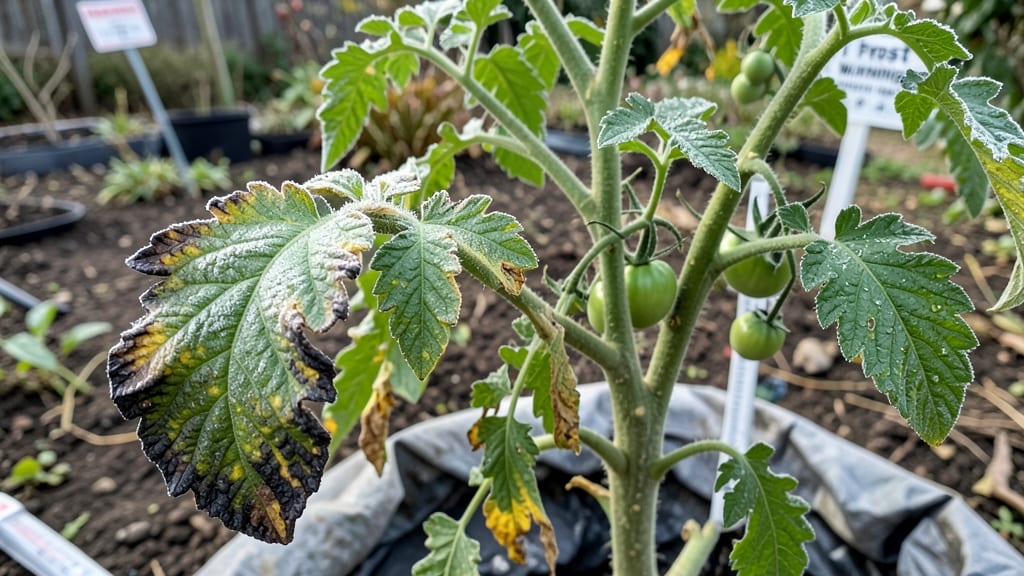
Cold damage tomato plants can turn your summer harvest into a sad, wilted memory—but there’s still hope. 🌱 I’ve nursed back plants that looked like they’d given up, and with the right steps, you can too.
The key is acting fast: identifying the damage, protecting what’s left, and giving your plants a fighting chance to rebound.
First, check for blackened stems, yellowing leaves, or stunted growth—these are your red flags. Cold damage often starts at the plant’s core, so prune away any mushy, discolored sections (use clean shears!) and focus on healthy growth.
Then, mulch heavily with straw or leaves to insulate roots and keep soil temperatures stable.
With proper care, your plants can bounce back surprisingly fast—sometimes even producing fruit after a cold snap. I’ve seen tomato plants recover enough to yield a full harvest just weeks after damage, especially if you move them to a sheltered spot during the day and cover them at night.
For next season, opt for cold-tolerant varieties like ‘Mountain Merit’ or ‘Stupice’ and consider row covers or cloches for early planting. The goal isn’t just saving this year’s crop—it’s building resilience for seasons to come.
📚 In This Guide
- What you need
- Instructions
- Tips and common mistakes
- Wrapping up and next steps
What you need
- ● Pruning shears or sharp scissors – Sterilized to avoid spreading disease (1 pair).
- ● Garden gloves – Heavy-duty, chemical-resistant (1 pair).
- ● Thermometer (soil and air) – Digital for accuracy (1 unit).
- ● Row covers or frost cloth – Lightweight, breathable fabric (enough to cover all plants).
- ● Stakes or cages – For support (4–6 per plant, depending on size).
- ● Mulch (straw, leaves, or grass clippings) – 2–3 inches thick (1–2 bags or yard waste).
- ● Compost or organic fertilizer – Balanced (10-10-10 or similar, 1–2 lbs per plant).
- ● Watering can or hose with gentle nozzle – For deep, even watering.
- ● Plant growth hormones – Like seaweed extract (1 bottle) to boost recovery.
- ● Cold frames or mini greenhouses – For severe damage (1–2 units).
- ● Reflective mulch or aluminum foil – To trap warmth (1 roll).
- ● Companion plants – Basil, marigolds, or borage (1–2 plants per tomato) to deter pests and improve resilience.
Instructions for reviving cold-damaged tomato plants
Here's how I nurse frost-bitten tomato plants back to health—most recover fully if you act fast.
🌱 Step 1: Assess and Remove Only the Worst Damage
Start by examining each plant closely. Look for leaves that are blackened, mushy, or completely limp—they won't recover. Use clean, sharp pruners to cut these away at the stem base, not just tearing them off. Healthy leaves will still feel firm and slightly crisp when gently squeezed.
Don't panic about removing too much foliage. Tomato plants are surprisingly resilient, and new growth will emerge from the stem nodes below the damage. I always cut back to just above a leaf node (the small bump where leaves attach) to encourage new shoots. This is where the plant's energy reserves kick in.
💧 Step 2: Water Deeply and Protect Roots from Chill
Water the base of each plant deeply until water runs out the drainage holes. Cold damage often stresses roots first, so this helps rehydrate them. Use lukewarm water—cold water shocks already compromised plants. Add a handful of compost to the soil surface after watering to boost microbial activity and provide nutrients.
If nighttime temperatures are still dipping below 50°F, create a temporary root barrier. Pile 6-8 inches of straw mulch around the base of the plant, leaving a 2-inch gap around the stem. This insulates roots while preventing soil-borne diseases that thrive in damp, cold conditions. Check mulch daily—remove any that gets soggy from rain.
☀️ Step 3: Provide Shelter from Wind and Late Frost
Set up temporary protection for 7-10 days or until nighttime temperatures consistently stay above 55°F. I use floating row covers or even old bedsheets draped over hoops to create a microclimate. Secure the edges with bricks or stakes to prevent wind from tearing the fabric—you want to trap heat without creating a sauna.
During the day, remove covers for 2-3 hours to allow sunlight to reach the plants. Tomatoes need light to rebuild energy stores. Watch for condensation inside the cover—if you see water droplets, ventilate for longer periods. The goal is to mimic a greenhouse effect without promoting fungal growth.
✂️ Step 4: Prune Strategically to Redirect Energy
After 5-7 days of recovery, reassess the plant. If you see new growth emerging from lower leaf nodes, it's time to prune more aggressively. Remove any remaining damaged leaves and suckers (the small shoots growing between the main stem and branches). This redirects the plant's energy toward rebuilding its structure rather than maintaining dead tissue.
Focus on opening up the plant's center to improve air circulation. Good airflow prevents secondary infections from cold-stress bacteria or fungi. I always leave the top 3-4 leaves intact—they're the plant's energy factories. If the main stem is damaged above these leaves, you may need to cut back to a lower node and let new branches form.
🌿 Step 5: Fertilize Gently and Monitor for Recovery Signs
Wait 1 week before applying any fertilizer. Cold-stressed plants can't process nutrients efficiently and may burn if you fertilize too soon. Instead, mix 1 tablespoon of fish emulsion into the watering can and apply it lightly to the soil surface. This provides gentle, organic nutrients without overwhelming the plant.
Watch for new growth within 7-14 days. Healthy recovery looks like small, dark green leaves emerging from lower nodes. If you see only yellowing or no new growth after 2 weeks, the plant may not recover. Don't give up on it completely—sometimes the roots are still viable, and new shoots will appear later. I've seen plants bounce back even after looking completely dead.
Tips & tricks for reviving cold-damaged tomato plants
Real talk: Cold damage can turn your tomato plants into sad, wilted messes—but these tricks will help them bounce back like champions.
Pruning Precision: When you're cutting away damaged leaves in Step 1, look for the tiny leaf nodes (those little bumps where leaves attach). Cut just above these nodes—this is where new shoots will emerge. I've seen plants regrow from nodes that looked completely dead at first. The key is making clean cuts at the right spot, not just hacking off leaves.
Water Temperature Matters: That lukewarm water in Step 2 isn't just a suggestion—it's critical. Cold water shocks already stressed roots, while lukewarm (about 70°F) helps them recover faster. If you don't have a thermometer, test it with your wrist before watering. The goal is water that feels warm but not hot to your skin.
Shelter Strategy: For the 7-10 day protection period in Step 3, I recommend using lightweight row covers instead of heavy plastic. Plastic traps too much moisture and can create a breeding ground for fungal diseases. If you don't have row covers, bedsheets work perfectly—just make sure they're secured tightly to prevent wind damage. The 2-3 hour daily ventilation is non-negotiable for preventing mold buildup.
Recovery Timeline: The 7-14 day window for new growth in Step 5 is when patience pays off. Don't be tempted to fertilize earlier—waiting that full week prevents nutrient burn. I've had plants show no signs of recovery at 7 days only to burst with new leaves by day 12. Keep a garden journal to track progress—sometimes the signs are subtle but encouraging.
Pro Tips for Cold Damage Tomato Plants
- Real talk: Cold damage can turn your tomato plants into sad, wilted messes—but these tricks will help them bounce back like champions.
- Pruning Precision: When you're cutting away damaged leaves in Step 1, look for the tiny leaf nodes (those little bumps where leaves attach).
- Water Temperature Matters: That lukewarm water in Step 2 isn't just a suggestion—it's critical.
Frequently asked questions
Got questions about saving your tomato plants from cold damage? You’re not alone! Here are some of the most common concerns—and practical solutions—to help you revive your harvest.
What are the first signs my tomato plants are suffering from cold damage?
Watch for yellowing leaves, wilted or mushy foliage, and blackened stems—especially on lower leaves. Cold stress can also cause stunted growth or blossom drop. Act fast if temps dip below 50°F (10°C), as damage worsens overnight.
How quickly can I expect my tomato plants to recover after cold exposure?
Recovery time varies! With mild cold damage (e.g., wilted but not blackened leaves), plants may bounce back in 3–7 days if protected from further chills. Severe frost damage (below 32°F/0°C) can take weeks or require pruning—focus on removing dead tissue to redirect energy to new growth.
Can I still save my tomato plants if the stems turn black or mushy?
If stems are soft, discolored, or oozing, the plant is likely beyond saving—but don’t toss it yet! Cut back to healthy green tissue (above the damage) and monitor for new shoots. For container-grown tomatoes, repot the remaining stem in fresh soil to encourage regrowth.
Are there cold-hardy tomato varieties that resist frost better?
Yes! Look for early-maturing or cold-tolerant varieties like ‘Stupice’, ‘Mountain Merit’, or ‘Siberian’ tomatoes. These can handle brief dips to 35°F (2°C) and recover faster. Pair them with row covers or black plastic mulch for extra protection.
What’s the fastest way to warm up cold-stressed tomato plants?
Start by removing row covers or cloches during the day to let sunlight warm the soil. Use a temporary greenhouse (like a plastic tunnel) or heat mats for containers. For severe cases, trim damaged leaves and apply a warm water soak (not hot!) to boost circulation.
| Damage Level | Action Steps |
|---|---|
| Mild (wilted leaves) | Prune affected leaves, mulch soil, and protect from wind. |
| Moderate (blackened stems) | Cut back to healthy growth, repot if needed, and fertilize lightly. |
| Severe (mushy stems) | Remove plant (compost if no disease), replace soil, and start over. |
Wrapping up and next steps
Cold damage on your tomato plants doesn’t mean the end of your harvest—it’s just a call to action! 🌱 By acting quickly with the right care, you can revive wilted leaves, strengthen your plants, and even salvage a bountiful crop. Stay patient and persistent: consistent monitoring and gentle adjustments will make all the difference.
Ready to turn things around? Start by inspecting your plants today and implement the steps you’ve learned. Whether it’s mulching, pruning, or adjusting watering habits, every effort counts. Your green thumb is stronger than you think—now go save that harvest! 🍅✨