
Planting
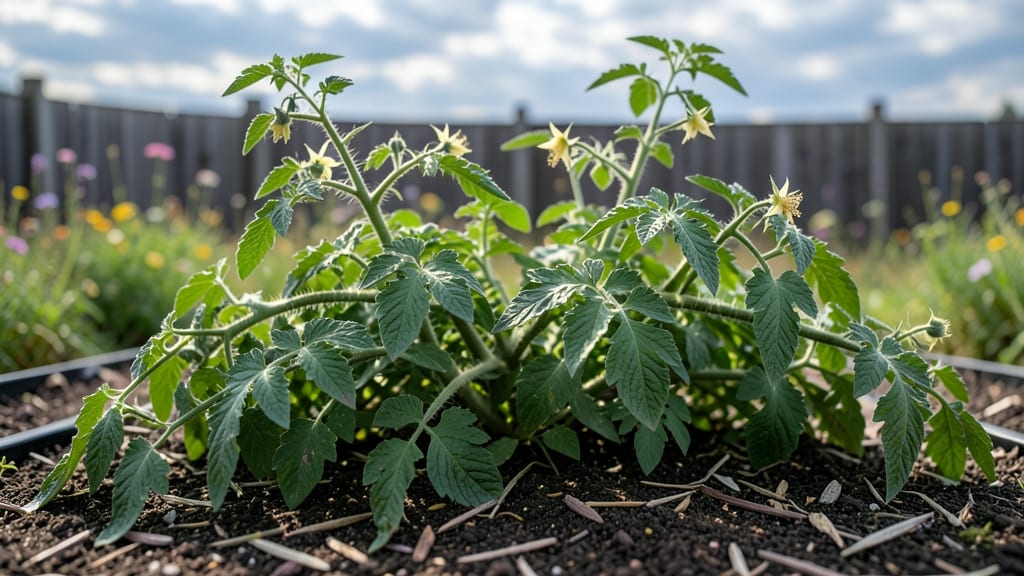
Growing a Topsy Turvy tomato plant turns your garden into a vertical jungle of fruit. 🌿 These vines stretch 12 feet tall, producing tomatoes at eye level—no bending required.
The secret lies in their trailing habit, which lets you grow more plants in less space while keeping harvests within easy reach. You’ll need a sturdy trellis or fence, rich soil with 2-3 inches of compost, and a sunny spot with at least 6-8 hours of sunlight daily.
Water consistently at the base (not the leaves) to avoid disease, and fertilize every 2-3 weeks once flowers appear. Prune suckers regularly to focus energy on fruit production. By mid-summer, you’ll be picking juicy, vine-ripened tomatoes without back pain.
The plant’s compact growth means fewer pests and better air circulation—just watch for common issues like blight or aphids. A simple neem oil spray keeps them at bay. Perfect for small spaces, balconies, or even hanging from a pergola.
With the right setup, you’ll harvest more tomatoes than you can eat—and your neighbors will be green with envy.
📚 In This Guide
- What you need
- Instructions
- Tips and common mistakes
- Wrapping up and next steps
What you need
- ● Topsy tomato seeds or seedlings: 1-2 plants (choose a disease-resistant variety if possible).
- ● Large container or raised bed: At least 12 inches deep and 18 inches wide (or a 5-gallon pot for container growing).
- ● High-quality potting mix or garden soil: Well-draining, enriched with compost (avoid heavy clay soil).
- ● Tomato cages or sturdy trellis: A 6-8 foot tall structure (e.g., metal cages, bamboo stakes, or a DIY wooden frame).
- ● Balanced fertilizer (10-10-10 or 5-10-10): 1-2 pounds per plant (follow package instructions).
- ● Mulch (straw or shredded leaves): 2-3 inches to retain moisture and suppress weeds.
- ● Garden trowel or shovel: For planting and soil prep.
- ● Pruning shears: To trim suckers and encourage upward growth.
- ● Drip irrigation or watering can: For consistent moisture (Topsy tomatoes need plenty of water!).
- ● Plant ties or soft twine: To secure vines to the trellis gently.
- ○ Shade cloth (optional): For hot climates to protect young plants from scorching.
- ○ Epsom salt (optional): 1 tablespoon per plant monthly for extra magnesium support.
How to grow a thriving Topsy tomato plant
These vertical wonders transform any space—here's how to coax their dramatic growth safely.
🌱 Step 1: Select the Right Location and Support
Topsy tomatoes need full sun exposure (6-8 hours daily) and a sturdy 10-12 foot tall trellis or tower—their vines can reach 12 feet if given proper support. I always choose a south-facing wall or fence for maximum light, but even a strong metal cage works in a pinch. The key is stability; these vines get heavy when loaded with fruit.
Install your support before planting—digging later risks damaging roots. For trellises, use galvanized metal or heavy-duty wooden posts buried 2 feet deep or anchored with concrete footings. If using a tower, secure it to the ground with stakes and zip ties to prevent toppling during storms. Real talk: I've seen flimsy setups collapse under a single heavy cluster of tomatoes.
☀️ Step 2: Plant and Train Early for Maximum Height
Set your Topsy tomato plant 6 inches deep in a hole filled with well-draining soil amended with compost. The deeper planting encourages stronger root growth. Immediately after transplanting, tie the main stem to the support using soft plant ties or old T-shirts—you want to guide growth upward without restricting it. I always make the first tie at 12 inches above the soil to prevent wind damage.
As the plant grows, weave the vines upward around the trellis or tower, securing every 12-18 inches with ties. This prevents tangling and ensures even light exposure. Watch for suckers (side shoots)—pinch these off early to direct energy into vertical growth. You'll see first true leaves within 2-3 weeks, signaling it's time to start regular training.
💧 Step 3: Water Deeply and Fertilize Strategically
Topsy tomatoes need consistent moisture—water deeply 1-2 times weekly, ensuring the top 6 inches of soil stay damp but not soggy. Overwatering leads to blossom end rot, while underwatering causes fruit to split. I use a soaker hose at the base to avoid wetting leaves, which reduces disease risk. Mulch with 2-3 inches of straw to retain moisture and keep roots cool.
Feed every 2-3 weeks with a balanced fertilizer (10-10-10) until flowers appear, then switch to a low-nitrogen, high-phosphorus formula (5-10-10) to encourage fruiting. Too much nitrogen = leafy vines, no tomatoes. You'll know you're on track when flowers bloom within 6-8 weeks after planting—each cluster can hold 10-15 tomatoes!
✂️ Step 4: Prune and Harvest for Sky-High Productivity
Prune aggressively to maintain vertical growth: remove all suckers below the first flower cluster and thin leaves on the lower 3 feet of the vine for airflow. This prevents disease and directs energy upward. I prune in the early morning when plants are turgid—cutting then reduces stress. Use clean, sharp shears to avoid tearing stems.
Harvest when tomatoes are fully colored but still slightly firm—this ensures peak flavor and prevents sunscald. Pick every 2-3 days during peak season to encourage continuous production. You'll harvest 50-100 tomatoes per plant if you keep up with pruning and training. Store unripe tomatoes in a cool, dark place to ripen naturally.
🪴 Step 5: Winter Care for Next Year's Growth
After the first frost, cut the vine down to 6 inches above the soil and remove all debris to prevent disease. Topsy tomatoes are perennial in warm climates (zones 9-11) but often grown as annuals elsewhere. If you're in a cooler zone, mulch heavily and protect with row covers in late fall to extend the season. I've seen Topsy plants rebloom the following spring if given proper winter care!
Take cuttings from healthy vines in early spring to propagate new plants. Dip cuttings in rooting hormone, plant in moist potting mix, and keep under bright grow lights until roots form. This ensures you'll have 4-6 strong plants ready for next season's vertical feast.
Tips & tricks for perfect sky-high Topsy tomato growth
Here's what nobody tells you about keeping these sky-scraping vines thriving without the common pitfalls.
The Support Setup: Don't skimp on your trellis or tower—these vines can reach 12 feet, and their weight when loaded with fruit is no joke. I've seen flimsy setups collapse under a single heavy cluster. For trellises, bury galvanized metal posts 2 feet deep or use concrete footings. If using a tower, secure it with stakes and zip ties before planting. Think of it as building a skyscraper for your tomatoes—foundation matters most.
Pruning Strategy: In Step 4, when you're pruning, focus on removing all suckers below the first flower cluster and thinning leaves on the lower 3 feet of the vine. This isn't just about looks—it's about airflow and disease prevention. I prune in the early morning when plants are turgid, using clean, sharp shears. The goal is to direct all energy upward, not outward. Remember, every cut you make is an investment in that 100-tomato harvest.
Watering Wisdom: The 1-2 times weekly watering in Step 3 is non-negotiable, but how you water matters just as much. Use a soaker hose at the base to keep the top 6 inches of soil damp—not soggy. Overwatering causes blossom end rot, while underwatering leads to split fruit. Think of it like giving your plant a deep drink rather than a quick sip. And that 2-3 inches of straw mulch? It's not just for show—it keeps roots cool and moisture locked in.
Fertilizer Transition: Switching from a 10-10-10 to a 5-10-10 fertilizer when flowers appear is crucial. Too much nitrogen at this stage will give you leafy vines instead of tomatoes. I've learned this the hard way—once, I ended up with a tomato plant that looked like a small tree but produced almost no fruit. The key is patience: those flowers should bloom within 6-8 weeks, and each cluster can hold 10-15 tomatoes if you've got the balance right.
Pro Tips for Topsy Tomato Plant
- Here's what nobody tells you about keeping these sky-scraping vines thriving without the common pitfalls.
- The Support Setup: Don't skimp on your trellis or tower—these vines can reach 12 feet, and their weight when loaded with fruit is no joke.
- Pruning Strategy: In Step 4, when you're pruning, focus on removing all suckers below the first flower cluster and thinning leaves on the lower 3 feet of the vine.
Frequently asked questions
Got questions about growing your own Topsy tomato plant? You’re not alone! Here are some of the most common queries—plus quick answers to help you grow like a pro.
What’s the best way to support a Topsy tomato plant that grows so tall?
A sturdy 9-12 foot tall trellis or cattle panel arch is ideal. Install it early—before the plant gets too heavy—to avoid bending or breaking. Secure the vines with soft ties (like old T-shirts!) every 2-3 feet to guide growth. Pro tip: Add a windbreak if you’re in a breezy area—those top-heavy vines can topple!
How long does it take for a Topsy tomato to produce fruit?
Expect 70-85 days from transplant to first ripe tomato, depending on your climate. In warm regions, you might see fruit earlier, while cooler areas could push it to the later end. Prune suckers (those little shoots in the leaf axils) to focus energy on fruit production and faster growth.
Can I grow Topsy tomatoes in containers, or do they need a garden bed?
Yes! With the right setup. Use a large container (at least 5 gallons) with drainage holes and a tall trellis or cage (like a tomato tower). Ensure it gets 6+ hours of sunlight daily and fertilize regularly. Just monitor soil moisture—containers dry out faster.
Why are my Topsy tomato leaves turning yellow, and what can I fix it?
Yellow leaves often signal overwatering, nutrient deficiency, or fungal issues. Check the soil—it should be moist but not soggy. Amend with compost or balanced fertilizer (like 10-10-10) if leaves look pale. For fungal problems (like early blight), prune affected leaves and spray with neem oil.
Are Topsy tomatoes determinate or indeterminate?
Topsy tomatoes are indeterminate, meaning they grow continuously and produce fruit all season long (until frost). Unlike determinate varieties, they won’t stop growing or set all their fruit at once. This makes them perfect for extended harvests—just keep pruning and supporting those vines!
Wrapping up and next steps
Growing a Topsy tomato plant is a rewarding adventure that turns your garden—or even a small balcony—into a verdant wonderland! 🌱 With its sky-high vines and prolific fruit, this variety proves that big rewards come from small (but sturdy) starts.
Whether you’re a seasoned gardener or just beginning, the key is patience, support, and a little love—your future harvest will thank you.
Ready to take the next step? Start by planting your Topsy seeds this season and watch as your garden transforms into a lush, climbing paradise. Happy growing! 🍅✨