
Pests and Diseases
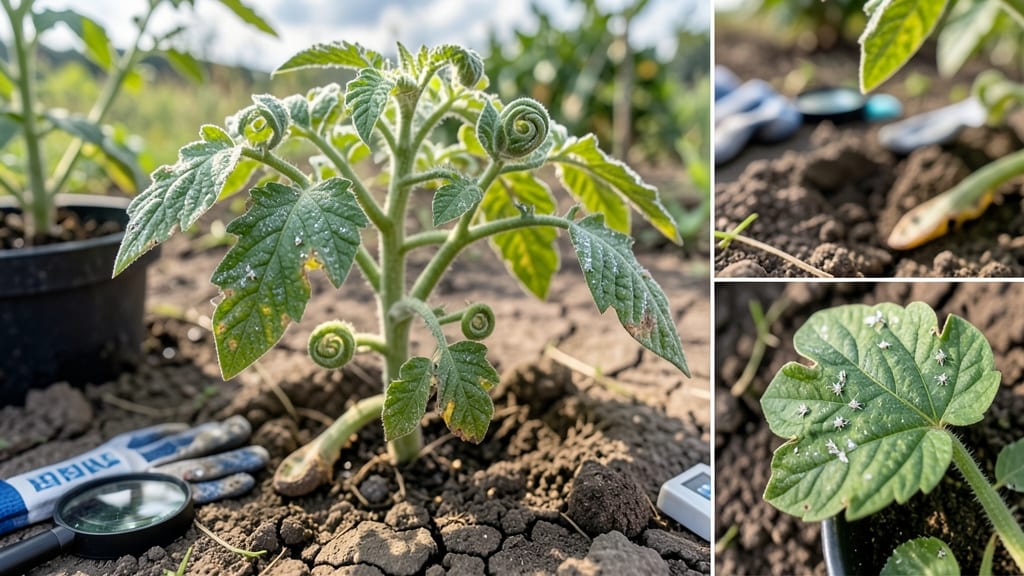
What causes leaf curl on tomato plants? That's your first warning sign—and it's almost never just "what they ate." 🌱 The culprits run from sneaky viruses hiding in your soil to environmental whiplash that confuses those delicate leaves. I've seen leaf curl caused by everything from aphids hitching a ride on new transplants to sudden heat spikes that fry plant chemistry overnight.
Here's the kicker: some causes you can fix fast (like adjusting watering or adding shade cloth), while others—like tomato mosaic virus—mean pulling the plant and sterilizing tools. The good news?
Catching it early means you can often save the rest of your harvest. I learned that the hard way after losing an entire raised bed to undiagnosed curl last summer.
You'll spot the difference between viral curl (yellow mottling, stunted growth) and pest-related curl (tiny webs, sticky residue) once you know what to look for. By the end, you'll have a step-by-step plan to either rescue your plants or replace them without losing your entire season's tomatoes.
Works for backyard gardens, containers, or even greenhouse setups—wherever your tomatoes grow. The key is acting before the problem spreads to your neighbors' plants too. Let's get those leaves flat again.
Root Causes of Tomato Leaf Curl
Leaf curl on tomato plants is rarely a single issue—it’s usually a combination of viral infections, environmental stress, or pest activity working together. Understanding the primary triggers helps you diagnose the problem faster and take targeted action.
Below, we break down the most common culprits behind this frustrating symptom, from microscopic invaders to weather-related woes.
Viral infections are the #1 cause of leaf curl in tomatoes, and they spread faster than you might think. These pathogens hijack plant cells, disrupting nutrient flow and causing leaves to pucker, twist, and stunted growth.
Tomato Leaf Curl Virus (ToLCV) – The Big Bad
- How it spreads: Transmitted by whiteflies (tiny, winged insects) feeding on infected plants.
It can also spread via contaminated tools, hands, or even wind if sap is present. - What it does: Clogs plant veins, reducing water and nutrient transport.
Infected plants may also show yellowing (chlorosis), stunted stems, and reduced fruit yield. - Actionable fix: 🔥 Remove infected plants immediately (do not compost them—burn or bag them). Use yellow sticky traps to monitor and reduce whitefly populations. Reflective mulch (like aluminum foil) can deter whiteflies.
Tomato Mosaic Virus (ToMV) – The Stealth Invader
- How it spreads: Often introduced via contaminated seeds, soil, or garden tools.
It can also spread through physical contact (e.g., touching infected leaves while pruning). - What it does: Causes mosaic-like patterns on leaves (light/dark green patches) and severe curling.
Fruits may be deformed or bitter. - Actionable fix: 🌡️ Disinfect tools with 70% rubbing alcohol between plants. Avoid handling plants when wet (viruses spread easier in moisture). Rotate crops annually to break the cycle.
Cucumber Mosaic Virus (CMV) – The Multitasking Menace
- How it spreads: Carried by aphids and can infect tomatoes, peppers, cucumbers, and even weeds like chickweed.
- What it does: Leaves develop brass-colored patterns, curl upward, and plants may bolt prematurely (flower without fruit).
- Actionable fix: ✨ Spray plants with soapy water (1 tsp dish soap per quart of water) to knock off aphids. Remove nearby weeds (they’re virus reservoirs). Use row covers early in the season to block aphids.
Not all leaf curl is viral—extreme heat, poor soil, or water issues can trigger the same symptoms. These problems are often misdiagnosed as disease, but they’re easier to fix with quick adjustments.
🔥 Heat Stress & Sun Scorch
- How it happens: Tomatoes thrive in warm (70–85°F) but not scorching conditions. Sudden heatwaves (above 90°F) or intense afternoon sun can cause leaves to curl and crisp (especially on young plants).
- What to watch for: Edges of leaves turn brown/yellow, while veins stay green.
Plants may wilting midday but recover at night. - Actionable fix: 🌿 Provide afternoon shade with shade cloth (30–50%) or mulch heavily to keep roots cool. Water deeply in the morning (not evening) to prevent evaporation. Choose heat-tolerant varieties like ‘Solar Fire’ or ‘Heatmaster.’
💧 Watering Woes: Too Much or Too Little
- Overwatering: Poor drainage + soggy soil leads to root rot, which starves leaves of water, causing them to curl.
- Underwatering: Shallow roots + dry soil force plants to conserve water, making leaves thick, leathery, and curled.
- Actionable fix: 💡 Check soil moisture 1–2 inches deep—water when dry.
Use drip irrigation (not overhead) to avoid wetting leaves (which spreads disease). Improve drainage with compost or raised beds.
🌱 Nutrient Deficiencies: Starving Your Plants
- Nitrogen (N) Deficiency: Leaves curl and yellow (older leaves first) because the plant can’t produce enough chlorophyll.
- Potassium (K) Deficiency: Leaf edges curl and brown (like "scorched"), and plants weaken.
- Actionable fix: 📊 Test your soil (home kits work!) and amend with:
- Balanced fertilizer (10-10-10) for general needs.
- Banana peel tea (for potassium) or fish emulsion (for nitrogen).
- Epsom salt (1 tbsp/gallon) for magnesium (another common deficiency).
Some pests physically damage leaves, causing them to curl as a defensive response. Others inject toxins while feeding, leading to deformities.
Whiteflies: The Virus Delivery System
- How they damage: Pierce leaves to feed, injecting saliva that disrupts plant cells.
Their honeydew (sticky residue) attracts sooty mold. - Signs: Yellowing, curling leaves with tiny white flies under leaves. - Actionable fix: 👨🍳 Neem oil spray (1 tbsp per quart of water + soap) or insecticidal soap. Release ladybugs or lacewings (natural predators).
Aphids: The Sap-Sucking Bullies
- How they damage: Cluster on new growth, sucking sap and injecting toxins.
Leaves curl, pucker, and distort. - Signs: Sticky residue, curled leaves with tiny green/black insects. - Actionable fix: 🔪 Blast off with water (forceful spray). Plant marigolds or basil nearby to repel them. Use kaolin clay as a barrier.
Spider Mites: The Tiny Web Weavers
- How they damage: Thrive in dry heat, sucking cell contents and causing silver stippling + curling.
- Signs: Fine webbing on undersides, leaves look "bronzed."
- Actionable fix: ⏰ Increase humidity (mist plants or use a pebble tray). Spray with water daily to wash them off. Predatory mites can be introduced.
Pro Tip: 💡 If your plants have multiple symptoms (curl + spots + stunted growth), viruses are likely. If it’s just curling with no other signs, check water, heat, or pests first—they’re easier to fix!
Fixing Leaf Curl in Tomato Plants
Cracked, twisted, or puckered leaves on your tomato plants? Don’t panic—most causes of leaf curl have practical fixes, whether you’re dealing with pests, viruses, or environmental stressors. Below, we map the root cause to the best solution, plus prevention tips to keep your plants thriving.
Fix: If your tomatoes are infected with a virus like Tomato Leaf Curl Virus (ToLCV), there’s no cure—but you can manage the damage and prevent spread.
- 🚫 Remove Infected Plants Immediately
- Snip off and dispose of curled leaves and entire infected plants (don’t compost them!).
- Use sterilized pruners (wipe with rubbing alcohol between cuts) to avoid cross-contamination.
- 🛡️ Quarantine Healthy Plants
- Isolate new plants for 2–4 weeks before introducing them to your garden.
- Check for whiteflies (the virus’s primary spreader) and eliminate them (see below).
- 🌱 Rotate Crops & Sanitize Soil
- Plant tomatoes in a different location next season—viruses can linger in soil.
- Solarize soil (cover with clear plastic for 4–6 weeks in hot weather) to kill virus particles.
💡 Prevention Tip:
- Use reflective mulch (aluminum foil or silver plastic) to deter whiteflies, which spread the virus.
- Choose resistant varieties like ‘Heatmaster’ or ‘Solar Fire’ (bred for virus tolerance).
Fix: Pests like whiteflies and spider mites suck sap, causing leaves to curl, yellow, or crisp. Act fast to stop the cycle.
- 💦 Blast Off Pests with Water
- Spray plants daily with a strong stream of water (early morning) to knock off mites and whiteflies.
- Use a hose nozzle or gentle spray to avoid damaging leaves.
- 🕷️ Introduce Beneficial Predators
- Release ladybugs, lacewings, or predatory mites (available at garden centers).
- Plant marigolds or basil nearby to attract natural pest-eaters.
- 🧴 Apply Organic Pesticides
- Neem oil spray (1 tsp neem oil + 1 tsp mild soap + 1 quart water) – spray undersides of leaves where pests hide.
- Insecticidal soap (spray until leaves glisten) – reapply every 5–7 days.
- Kaolin clay (like Surround WP) creates a protective barrier pests avoid.
✨ Pro Tip:
- Sticky traps (yellow or blue) placed near plants catch adult whiteflies—check and replace weekly.
- Avoid over-fertilizing with nitrogen—soft, new growth attracts more pests.
Fix: If leaf curl is due to heat stress, windburn, or nutrient deficiencies, your tomatoes need a little TLC.
- 🌿 Provide Shade & Windbreaks
- Use shade cloth (30–50%) during peak sun (11 AM–3 PM) if temps exceed 90°F (32°C).
- Wind barriers (burlap screens or tall plants like corn) protect delicate leaves.
- 💧 Adjust Watering Practices
- Water deeply but infrequently (1–1.5 inches per week) to prevent drought stress.
- Avoid wetting leaves at night (reduces fungal risks and heat stress).
- 🌱 Boost Soil Health
- Test soil pH (ideal: 6.0–6.8) and amend with compost or aged manure.
- Side-dress with balanced fertilizer (10-10-10 or 5-5-5) if leaves are pale (nitrogen deficiency) or purple (phosphorus deficiency).
🎯 Prevention Tip:
- Mulch heavily (2–3 inches of straw or wood chips) to retain moisture and regulate soil temp.
- Prune lower leaves to improve airflow and reduce heat buildup.
Fix: If leaf curl stems from fertilizer burn or herbicide residue, flush the system and adjust care.
- 🚿 Flush Soil with Water
- Deep-water the plant for 10–15 minutes to leach out excess salts from fertilizer.
- Avoid fertilizing for 2–3 weeks while leaves recover.
- 🧼 Clean Up Herbicide Contamination
- If nearby weeds were sprayed, move pots or wash soil with a 1% vinegar solution (1 part vinegar to 9 parts water).
- Avoid synthetic herbicides near tomatoes—opt for vinegar + dish soap spray for weeds.
🔥 Emergency Fix:
- Trim severely damaged leaves to redirect energy to healthy growth.
To keep your tomato plants happy and curl-free: ✅ Monitor daily for pests (check undersides of leaves). ✅ Rotate crops yearly to prevent soil-borne viruses. ✅ Start with healthy seedlings from reputable nurseries. ✅ Test soil before planting—amend as needed. ✅ Keep garden clean—remove weeds and debris where pests hide.
🍅 Remember: Early action is key! The sooner you address leaf curl—whether from pests, viruses, or stress—the better your tomatoes will rebound. With these fixes, you’ll be back to harvesting juicy, vine-ripened fruit in no time!
Frequently asked questions about tomato leaf curl
Can tomato leaf curl spread to other plants in my garden?
Absolutely—especially if it's caused by viruses like Tomato Leaf Curl Virus (ToLCV) or Cucumber Mosaic Virus (CMV). These pathogens spread through contaminated tools, wind, or insect vectors like whiteflies and aphids. To prevent cross-contamination, remove infected plants immediately, disinfect tools with 70% rubbing alcohol, and isolate new plants for 2-4 weeks before introducing them to your garden.
How can I tell if my tomato's leaf curl is from pests or a virus?
Look for these clues: Viral curl often comes with mottled yellowing, stunted growth, and deformed fruits, while pest-related curl usually has tiny webs (spider mites), sticky residue (aphids), or visible insects (whiteflies). Check leaf undersides—if you see pests, that's your culprit. Viral symptoms appear systemic (throughout the plant), while environmental stress (like heat) causes curling only on newer leaves.
Will pruning curled leaves help my tomato plant recover?
Yes, but only if the curl is from pests, environmental stress, or nutrient issues—not viruses. Prune away severely damaged leaves to redirect the plant's energy to healthy growth. For viral infections, pruning alone won't help, but it can slow spread if you remove and dispose of infected foliage properly. Always use sterilized pruners to avoid transferring pathogens.
Can I still harvest fruit from a tomato plant with leaf curl?
It depends! If the curl is from pests or environmental stress, the fruit may still be safe to eat. However, if it's a viral infection, the fruit could be deformed or bitter. For non-viral cases, focus on supporting plant health—healthy plants produce better fruit. If the plant is heavily infected, it's safer to remove it to protect your harvest and prevent spread to other plants.
How do I prevent leaf curl in my tomato plants next season?
Start with healthy seedlings from reputable nurseries, rotate crops annually, and test your soil before planting. Use reflective mulch to deter whiteflies, row covers early in the season, and monitor daily for pests. Choose disease-resistant varieties like 'Heatmaster' or 'Solar Fire', and keep your garden clean and weed-free to eliminate pest hiding spots.