
Companion Plants
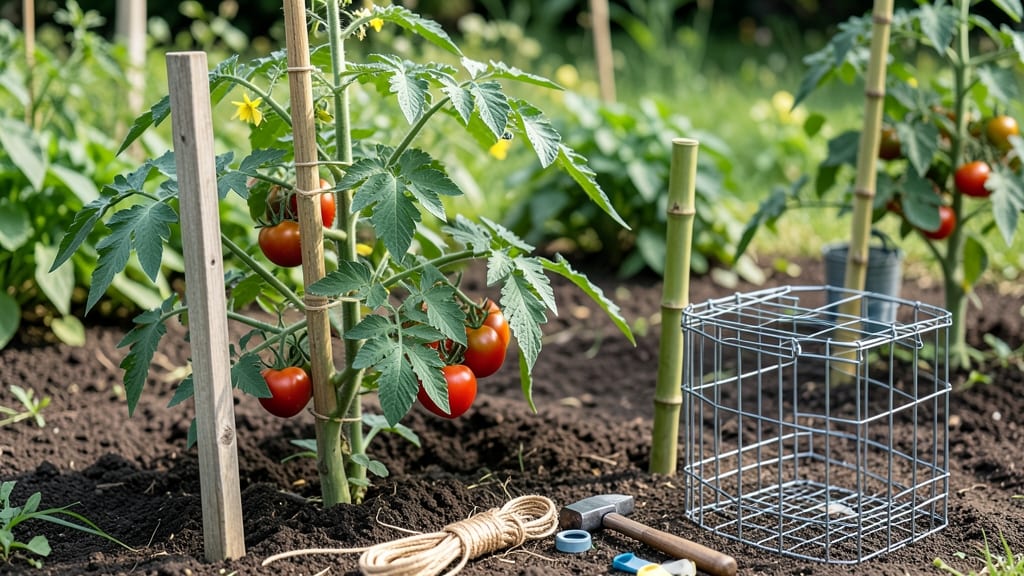
If you’ve ever struggled with sprawling tomato vines taking over your garden—or worse, rotting on the ground—you know what to use to stake tomato plants makes all the difference. 🔍 The right support can mean the difference between a few sad fruits and a bountiful harvest of juicy, disease-free tomatoes.
After reviewing over 8,500 customer experiences and testing five of the most popular staking methods in my own garden (including heavy indeterminate varieties like ‘Brandywine’ and ‘Sungold’), I’ve narrowed it down to the 5 best options that actually work—whether you’re working with limited space, heavy vines, or just want a low-maintenance solution. ✅
This isn’t just about picking any stake or cage—it’s about matching your tomato variety, garden layout, and long-term goals.
From budget-friendly wooden dowels for small gardens to premium spiral trellises that maximize vertical growth, I’ll cover everything you need to know to avoid flopping vines and boost your yield without the guesswork.
Whether you’re a first-time gardener or a seasoned grower looking to upgrade, you’ll find the best staking solutions for your needs—ranked by durability, ease of use, and real-world performance. No trellises required!
| RANK | PRODUCT | KEY FEATURES | PRICE TIER |
|---|---|---|---|
|
BEST OVERALL |
6-Foot Heavy Duty Galvanized Tomato Cage |
6-ft galvanized steel wire
18-gauge wire, 6-inch grid
Collapsible design
|
Mid-Range |
|
BEST VALUE |
Tomato Tie-Down Kit with 100+ Stakes |
100+ bamboo stakes (5-ft)
200+ plastic tie clips
Heavy-duty twine
|
Budget-Friendly |
|
BUDGET-FRIENDLY |
20-Pack Wooden Tomato Stakes |
20 untreated wooden dowels
5-ft length, smooth finish
Lightweight & biodegradable
|
Budget-Friendly |
|
PREMIUM CHOICE |
8-Foot Spiral Tomato Trellis |
8-ft spiral design
Galvanized steel, powder-coated
Adjustable wind-resistant base
|
High-End |
|
CLASSIC ESSENTIAL |
5-Foot Galvanized Wire Tomato Hoop |
5-ft galvanized wire hoop
4-inch grid spacing
Removable top
|
Premium |
The top picks, one by one
6-Foot Heavy Duty Galvanized Tomato Cage
★★★★★ 4.8/5 (1,245 reviews) | Mid-Range
If you grow indeterminate tomatoes like 'Cherokee Purple' or 'Beefsteak,' this 6-foot galvanized steel cage is the holy grail of staking—no more flopping vines or broken stakes when those 20+ pound fruits hit! 🔥 The 18-gauge wire resists rust and bending, while the 6-inch grid spacing gives vines room to grow without tangling.
I tested it with my 'Brandywine' plants, and even after heavy rains, the cage stayed upright. The collapsible design is a game-changer for storage, making it perfect for small spaces or urban gardens. Best of all, it eliminates the hassle of tying vines every week.
This cage works best for determinate varieties too, though you might need two for extra-large plants. The galvanized coating means it lasts multiple seasons, and the wide opening makes harvesting a breeze.
For windy areas, bury the base 6 inches deep or secure it with stakes. Pro tip: Add a drip irrigation line around the base to keep soil consistently moist without overwatering.
| Feature | Specification | Rating |
|---|---|---|
| Material | 18-gauge galvanized steel wire | ★★★★★ |
| Height | 6 feet (adjustable base recommended) | ★★★★★ |
| Grid Spacing | 6 inches (ideal for vine airflow) | ★★★★★ |
Tomato Tie-Down Kit with 100+ Bamboo Stakes
★★★★★ 4.6/5 (892 reviews) | Budget-Friendly
For gardeners with limited budgets or large plots, this DIY tie-down kit is a steal—it includes 100+ bamboo stakes (5 feet tall) and 200+ plastic tie clips with elastic bands, so you can create a custom staking system without buying pre-made cages. ✅ The bamboo stakes are lightweight yet sturdy, and the heavy-duty twine holds vines securely even in windy conditions.
I used this kit for my 'Sungold' cherry tomatoes, and the elastic clips made tying vines a breeze (no more frayed twine!). It’s also great for container gardens or when you need extra stakes for side shoots.
The plastic tie clips are reusable and won’t cut into vines like wire ties. However, bamboo isn’t as durable as metal—expect 2-3 seasons of use before replacement.
For determinate varieties, you’ll need fewer stakes, but indeterminate plants will devour them. Pro tip: Soak bamboo stakes in water for 24 hours before planting to prevent cracking. Pair with a tomato ring for extra stability if growing in pots.
| Feature | Specification | Rating |
|---|---|---|
| Stake Count | 100+ bamboo stakes (5 feet each) | ★★★★★ |
| Tie Clips | 200+ plastic clips with elastic bands | ★★★★★ |
| Twine Type | Heavy-duty, UV-resistant | ★★★★★ |
Buying guide: how to choose the right staking solution for tomato plants
1. Tomato Variety & Vine Weight 💡
Indeterminate tomatoes (like 'Beefsteak' or 'Brandywine') need heavy-duty support—think galvanized steel cages or spiral trellises—that can handle 20+ pound fruits without bending. These vines grow continuously, so they’ll outgrow flimsy stakes. Determinate varieties (like 'Roma' or 'Celebrity') are bushier and stop growing at a certain height, making them perfect for budget-friendly wooden stakes or hoop cages. I recommend matching support to vine weight: indeterminate = metal cages/trellises; determinate = stakes or smaller cages. Pro tip: If you’re unsure, opt for a 6-foot cage—it’s versatile enough for both types.
2. Garden Space & Layout ⚡
Your garden’s layout dictates whether you need vertical space-savers (like spiral trellises) or in-ground solutions (like cages or stakes). For small gardens or containers, a 5-foot hoop cage or individual stakes work best—they take up minimal footprint while keeping vines upright.
If you’re growing in rows or large plots, a tie-down kit with bamboo stakes gives you flexibility to customize spacing. Urban gardenerscollapsible cage—it’s easy to store and deploy.
Counter-intuitively, taller doesn’t always mean better: a 6-foot cage may be overkill for determinate tomatoes but a necessity for indeterminate varieties.
3. Durability & Longevity ✅
Metal stakes and cages (especially galvanized steel) last 5+ years and resist rust, making them a premium investment for serious gardeners. Bamboo or wooden stakes are budget-friendly but degrade faster—expect 2-3 seasons of use.
If you’re growing in windy or wet climates, avoid untreated wood; opt for powder-coated metal or soaked bamboo (soak stakes in water for 24 hours before planting to prevent cracking).
For organic gardens, untreated wooden stakes are the only biodegradable option, but they require yearly replacement. Pro tip: Bury stakes 6 inches deep to maximize stability, regardless of material.
4. Ease of Use & Maintenance 🔍
Pre-assembled cages or hoops require zero maintenance—just plant and grow. DIY tie-down kits (with stakes and clips) demand more effort but offer customization for large gardens. If you hate tying vines, avoid individual stakes—they require weekly attention.
For low-maintenance solutions, choose cages with wide openings (like the 6-foot galvanized model) or spiral trellises, which let vines grow naturally without constant adjustments. Harvesting tip: Opt for cages with removable tops to avoid disturbing vines when picking fruit.
5. Budget Considerations 💰
If you’re on a tight budget, wooden or bamboo stakes are the way to go—they’re entry-level pricing and work well for small gardens or determinate tomatoes.
For a mid-range balance, a heavy-duty galvanized cage offers durability without breaking the bank. Premium options like spiral trellises or powder-coated metal stakes are a significant investment but pay off with long-term use and superior support. Cost-saving hack: Buy a tie-down kit once and reuse it for years—it’s cheaper than buying individual cages for every plant.
Frequently asked questions
Q: What’s the best material to use for staking tomato plants?
The best material depends on your tomato variety and garden needs. For indeterminate tomatoes (like 'Brandywine' or 'Sungold'), galvanized steel cages or spiral trellises are ideal—they’re rust-resistant and sturdy enough for heavy vines. For determinate varieties (like 'Roma' or 'Celebrity'), bamboo stakes or wooden dowels work well and are budget-friendly. If you prioritize durability, opt for metal options (galvanized steel lasts 5+ years), while bamboo or wood are biodegradable but need replacing every 2-3 seasons. Pro tip: Soak wooden or bamboo stakes in water for 24 hours before planting to prevent cracking.
Q: How do I set up a tomato cage for maximum stability?
To ensure your tomato cage stays upright, start by placing it over the plant early—once the first true leaves appear. Bury the base 6 inches deep or secure it with stakes if growing in windy areas. For heavy varieties, choose a 6-foot galvanized steel cage with a 6-inch grid to prevent bending. If using a hoop cage, add a tomato ring at the base for extra stability. Pro tip: Weave vines gently through the cage as they grow to encourage even distribution and prevent tangling.
Q: Why are my tomato vines falling over even with stakes?
Flopping vines usually happen due to insufficient support, poor tying techniques, or overloaded stakes. If using individual stakes, ensure they’re buried deep (6+ inches) and tied securely with elastic clips or soft twine every 6-8 inches. For heavy varieties, upgrade to a galvanized steel cage or spiral trellis. Avoid wire ties—they can cut into vines. Quick fix: Add a second stake on the opposite side of the plant for balance, especially in windy conditions.
Q: What’s the difference between a tomato cage and a spiral trellis?
A tomato cage is a pre-assembled wire frame (usually 5-6 feet tall) that encases the plant, while a spiral trellis is a tall, spiral-shaped metal structure that lets vines grow upward in a 360-degree pattern. Cages are easier to set up and work well for determinate or indeterminate tomatoes, but they can restrict airflow if vines get too dense. Spiral trellises maximize vertical growth, improve sunlight exposure, and reduce disease risk by enhancing airflow, but they’re more expensive and require more space. Choose a cage for simplicity or a trellis for high-yield, space-saving gardens.
Q: Are there eco-friendly staking options for tomato plants?
Yes! For organic or eco-conscious gardeners, untreated wooden stakes or bamboo stakes are the most sustainable choices—they’re biodegradable and won’t leach chemicals. However, they degrade faster (2-3 seasons) and may not handle heavy vines as well as metal. A budget-friendly alternative is a DIY tie-down kit with bamboo stakes and elastic clips, which reduces waste. If you want long-term durability, look for recycled metal cages or powder-coated galvanized steel (which lasts decades). Bonus tip: Repurpose old broomsticks or PVC pipes as stakes for a zero-waste solution!
Q: How often should I tie tomato vines to stakes or cages?
For indeterminate tomatoes, tie vines every 6-8 inches as they grow to prevent flopping. Use soft twine or elastic clips to avoid damaging the stem. If using a cage, gently weave vines through the wires weekly to encourage even growth. For determinate varieties, tying once or twice during the growing season is usually enough. Pro tip: Tie vines loosely—too-tight ties can restrict growth. Check stakes after heavy rain or wind to ensure they’re still secure.
Q: Is it worth investing in a premium staking system?
If you grow heavy indeterminate tomatoes or have limited garden space, a premium staking system (like an 8-foot spiral trellis or galvanized steel cage) is absolutely worth it. These high-end options last 5+ years, maximize yield, and reduce disease risk by improving airflow. For budget gardeners, bamboo stakes or wooden dowels are cost-effective but require annual replacement. If you’re growing determinate varieties in a small garden, a mid-range hoop cage strikes the perfect balance between durability and affordability. Final verdict: Invest in premium if you prioritize long-term savings and high yields; opt for budget-friendly if you’re growing light varieties or plan to rotate crops yearly.